
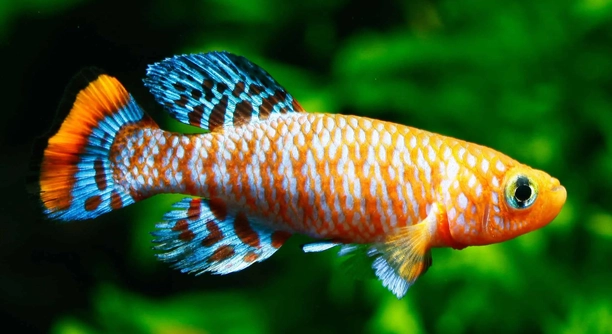
Killi fish are popular among aquarium enthusiasts for their vibrant colors and unique behaviors. Many owners wonder how the environment, especially sound, affects these delicate fish. Understanding their preferences can help create a more comfortable habitat for them.
Killi fish generally prefer a quiet environment, as excessive background noise can cause stress and disrupt their natural behaviors. Maintaining low noise levels supports their well-being and encourages healthier activity patterns in captivity.
Knowing how sound influences killi fish will help improve their care and keep them thriving in your aquarium. This article explores what kind of auditory environment suits them best.
How Noise Affects Killi Fish Behavior
Killi fish are sensitive to their surroundings, and noise plays a significant role in how they behave. Loud or constant background sounds can increase their stress levels, leading to erratic swimming or hiding more often. These fish rely on calm environments to feel secure, so sudden noises or vibrations can startle them easily. In a noisy space, they may eat less and show signs of discomfort. Aquarium noise comes from various sources like household appliances, music, or even loud conversations nearby. Keeping noise minimal helps maintain their natural rhythm and reduces stress, which is essential for their health and longevity. A quiet space allows killi fish to explore and interact naturally within their tank. Ensuring this calm environment supports better breeding and activity, making the fish more vibrant and lively.
Reducing noise around your aquarium supports killi fish well-being by lowering their stress and encouraging natural behavior.
Quiet settings promote healthier fish and improve your overall aquarium experience, keeping killi fish active and comfortable.
Creating a Peaceful Environment for Killi Fish
Keeping noise levels low near your killi fish tank is important for their comfort and health. Background sounds that are too loud or sudden can make them uneasy and affect their behavior negatively.
To create a peaceful environment, place your aquarium away from busy areas, loud speakers, or heavy foot traffic. Soft, steady sounds, like a gentle air filter or quiet background music at low volume, usually don’t bother them. Avoid tapping on the glass or sudden noises near the tank, as these actions can frighten the fish. You can also add plants or decorations that absorb sound to help reduce echoes. Making the environment calm and stable helps the fish feel safe and encourages natural activity. Over time, they will become more comfortable and show brighter colors. A peaceful space not only benefits the fish but also allows you to enjoy watching their natural behaviors without interruption.
Signs of Stress from Noise in Killi Fish
Killi fish show stress through changes in behavior and appearance when exposed to loud or constant noise. They may hide more often or swim erratically. Loss of appetite and faded colors are also common signs. These signals indicate discomfort and the need for a quieter environment.
When killi fish experience noise-related stress, their natural behavior becomes less predictable. They might freeze in place or dart suddenly, avoiding open spaces in the tank. This stress can weaken their immune system, making them more vulnerable to illness. Watching for these signs is important to adjust the environment accordingly. Quiet surroundings allow them to feel safe and return to normal patterns of swimming and feeding. Early attention to these stress signs helps maintain their health and vibrant appearance.
Stress caused by noise can also affect reproduction. Stressed fish are less likely to breed or may produce fewer eggs. Creating a calm setting supports their overall well-being.
Using Background Noise to Your Advantage
Soft background noise at low volume can sometimes help mask sudden loud sounds that startle killi fish. This steady sound can create a more consistent environment.
Many aquarists use gentle white noise or low-volume ambient sounds to help reduce sharp disturbances. This background noise prevents sudden changes that might scare the fish. However, it is important to keep the noise level low and avoid abrupt sounds. Consistent, mild noise can promote relaxation and reduce stress. Too much or too loud noise still causes problems, so balance is key. Monitoring your fish’s reactions will help you find the right level of background noise. The goal is to provide a stable environment that feels safe and calm for your killi fish.
Maintaining a quiet but not completely silent space often leads to happier, healthier fish.
Common Noise Sources in the Home
Household appliances like vacuum cleaners and washing machines create loud sounds that can stress killi fish. Television volume and music can also contribute to noise in the room where the tank is placed.
Sudden noises, such as doors slamming or children shouting, are especially disruptive. These unpredictable sounds can startle killi fish and cause them to hide or swim nervously.
Adjusting Tank Placement for Noise Control
Placing the aquarium in a quieter part of the house can significantly reduce noise exposure. Avoid areas near heavy foot traffic, kitchens, or entertainment rooms. A stable surface away from vibrations also helps keep the tank calm. Moving the tank to a less noisy spot improves fish comfort and reduces stress.
Monitoring Noise Impact Regularly
Regularly observe your killi fish for changes in behavior related to noise. Adjust the environment as needed to keep them calm and healthy.
FAQ
Do killi fish get stressed by loud noises?
Yes, killi fish are sensitive to loud noises, which can cause them stress. Sudden or constant loud sounds may startle them, leading to hiding, erratic swimming, or reduced feeding. Stress from noise can also weaken their immune system, making them more prone to illness. Keeping noise levels low helps them stay calm and healthy.
Can background music harm killi fish?
Background music at a low volume is usually not harmful and can even mask sudden loud noises that might scare the fish. However, loud or fast-paced music may cause stress. It’s best to keep music soft and avoid abrupt changes in sound near the tank to maintain a peaceful environment.
Is silence better than background noise for killi fish?
Complete silence is not always necessary. A quiet environment with gentle, consistent background noise is often better because it prevents sudden loud sounds from startling the fish. The key is to avoid sudden or harsh noises that disrupt their calm.
How can I tell if my killi fish is stressed from noise?
Signs of stress include hiding more than usual, swimming erratically, loss of appetite, and faded colors. The fish may freeze in place or dart suddenly. Watching for these behaviors helps you know when to reduce noise or make the environment quieter.
Where is the best place to put a killi fish tank to reduce noise?
Place the tank away from loud appliances, heavy foot traffic, and entertainment areas. A quiet, stable spot without vibrations helps keep noise low and the fish comfortable. Avoid kitchens, laundry rooms, or near loudspeakers.
Can noise affect killi fish breeding?
Yes, noisy environments can reduce breeding success. Stressed killi fish are less likely to spawn or may produce fewer viable eggs. Keeping the tank quiet and calm encourages natural breeding behaviors.
Will killi fish get used to background noise over time?
Killi fish may become accustomed to steady, low-level background noise if it is consistent and not too loud. However, sudden or loud noises will always cause stress. Maintaining a stable sound environment helps them adjust more easily.
Are there any tools to reduce noise around the tank?
Using aquarium covers, placing the tank on sound-absorbing mats, or adding plants and decorations can help reduce noise and vibrations. Soft materials around the tank also dampen sound, creating a calmer space for the fish.
Should I turn off appliances near the tank when possible?
Turning off noisy appliances near the tank helps minimize sudden loud sounds. This simple step reduces stress and makes the environment more peaceful for your killi fish.
Does tapping on the aquarium glass affect killi fish?
Tapping on the glass startles killi fish and causes stress. It’s best to avoid tapping or knocking on the tank to keep the fish calm and comfortable.
Can killi fish hear sounds outside the aquarium?
Killi fish do sense vibrations and pressure changes in the water caused by sounds outside the tank. Loud noises can transmit through water and the tank walls, affecting their behavior and stress levels.
What is the best way to monitor noise impact on killi fish?
Observe your fish regularly for behavior changes like hiding, erratic swimming, or appetite loss. Adjust noise sources around the tank as needed. Keeping a quiet and stable environment is key to their well-being.
Does background noise affect all fish species the same way?
Different fish species react differently to noise. Killi fish tend to be sensitive, but some species may tolerate or even prefer certain sounds. It’s important to know your specific fish’s needs for the best care.
Is there an ideal noise level for a killi fish tank?
There isn’t a specific decibel level, but the noise should be low and steady without sudden changes. Soft background sounds or silence generally works best to keep the fish relaxed.
Can using a filter or air pump create too much noise for killi fish?
Filters and air pumps produce constant noise and vibrations, but most killi fish get used to these steady sounds. Ensure the equipment is well-maintained and not louder than necessary to avoid causing stress.
Are killi fish more active in silence or with background noise?
Killi fish tend to be more active and show natural behaviors in quiet or softly noisy environments. Loud or sudden noises often cause them to hide or reduce movement.
How long does it take for killi fish to calm down after a loud noise?
It varies, but generally, killi fish may take from several minutes to hours to return to normal behavior after being startled. Reducing noise and providing a calm environment helps speed recovery.
Can playing nature sounds near the tank help killi fish?
Soft nature sounds at low volume can create a soothing atmosphere, masking sudden noises. This can help reduce stress, but the volume must remain low to avoid disturbance.
Is it necessary to completely soundproof the area around the tank?
Complete soundproofing is not necessary but reducing loud and sudden noises significantly improves the fish’s comfort. Simple steps like moving the tank or adding soft materials can make a big difference.
Do killi fish react differently to human voices versus other noises?
Human voices, especially loud or sudden ones, can startle killi fish just like other noises. Speaking softly or maintaining a quiet environment around the tank helps keep them calm.
Can I use a noise meter app to monitor sound near the tank?
Yes, a noise meter app can help track sound levels and identify loud areas or times. Keeping readings low and steady supports a stress-free environment for your killi fish.
Killi fish are delicate creatures that respond clearly to their environment, especially to sounds around them. Their sensitivity means that noise levels in and around their tank can have a big impact on their well-being. Loud, sudden, or constant noise can cause stress, which may lead to changes in behavior, reduced appetite, and weaker immune systems. Because of this, it’s important to maintain a calm and quiet environment for these fish to thrive. Understanding the effects of noise can help you make simple adjustments that greatly improve their quality of life.
Creating a peaceful space for killi fish doesn’t have to be complicated. Choosing a quiet spot in your home for the aquarium is a good first step. Avoid placing the tank near loud appliances, heavy foot traffic, or entertainment areas. Soft background noise at low volume can sometimes help mask sudden sounds that might startle the fish. However, loud or abrupt noises should always be minimized or avoided. Watching the behavior of your fish regularly will help you notice signs of stress early. When you see them hiding more, swimming erratically, or losing color, it may be time to lower the noise levels or make the environment more stable. Simple changes, like moving the tank or using sound-absorbing materials, can make a noticeable difference.
Overall, paying attention to the noise around your killi fish tank is an important part of their care. By keeping their environment as calm and quiet as possible, you support their health, natural behavior, and even breeding success. A peaceful space helps these fish feel safe and comfortable, which encourages them to be more active and vibrant. Small efforts to control noise can have lasting positive effects on your aquarium, making it a better place for your fish and a more enjoyable experience for you. Taking these steps ensures that your killi fish live a healthy and stress-free life.

Hello,
If you enjoy the content that we create, please consider saying a "Thank You!" by leaving a tip.
Every little bit helps us continue crafting quality advice that supports the health, happiness, and well-being of pets around the world, for pets of all shapes, sizes, and species.
We really appreciate the kindness and support that you show us!