
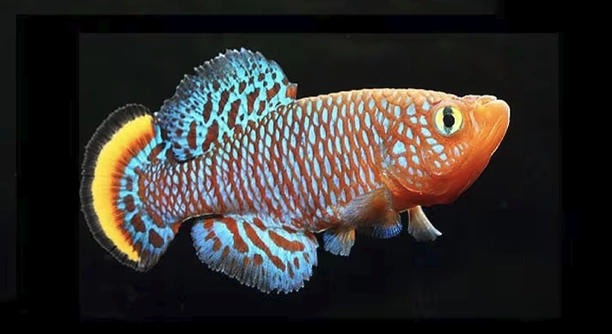
Killi fish are popular for their vibrant colors and lively behavior in home aquariums. Keeping them healthy requires proper care, especially when it comes to their diet. Providing the right foods supports their growth and well-being.
Feeding killi fish a balanced diet with protein-rich foods, live or frozen small insects, and specially formulated flakes or pellets is essential. These foods provide necessary nutrients to maintain their immune system and support healthy development.
Knowing which foods best support killi fish health helps ensure they thrive in your aquarium. This article highlights seven key foods to keep your killi fish strong and active.
Live Foods for Killi Fish Health
Live foods such as brine shrimp, daphnia, and mosquito larvae are excellent for killi fish. These foods closely mimic their natural diet and offer high protein content. They encourage natural hunting behavior and help improve digestion. Feeding live foods regularly supports muscle development and coloration. Additionally, live foods provide essential vitamins and minerals that may be lost in processed feeds. While live foods can be slightly more expensive or challenging to store, their benefits outweigh the drawbacks. To keep your killi fish healthy, offering a variety of live foods alongside other diet components is best. Introducing live foods slowly helps your fish adjust and reduces waste in the tank.
Live foods stimulate natural instincts in killi fish, promoting overall vitality and reducing stress.
Including live foods in your killi fish’s diet encourages natural feeding behavior. It also improves nutritional intake, supporting immune function. When sourcing live foods, ensure they are clean and disease-free to avoid introducing pathogens. Cultivating your own live food culture or purchasing from reputable suppliers helps maintain quality. Mixing live foods with frozen or prepared options keeps the diet balanced and varied, which is crucial for optimal health.
Frozen and Freeze-Dried Options
Frozen and freeze-dried foods are convenient alternatives that retain much of the nutrition found in live foods. They include bloodworms, brine shrimp, and tubifex worms. These foods can be stored easily and reduce the risk of contamination. Freeze-dried foods also offer longer shelf life but may require rehydration before feeding. Both types provide essential proteins and nutrients necessary for killi fish growth and energy. Offering these options regularly helps maintain diet diversity without compromising health. Combining frozen and freeze-dried foods with live and pellet feeds ensures a well-rounded nutrition plan for your fish. They are practical choices for busy fish keepers who still want to provide quality nutrition.
Frozen and freeze-dried foods are safe, nutritious, and convenient choices that complement live feeding routines.
Pellets and Flake Foods
Pellets and flakes are formulated to meet the basic nutritional needs of killi fish. They provide balanced vitamins and minerals. These foods are easy to store and convenient for daily feeding. Choosing high-quality pellets or flakes ensures your fish get proper nutrients without overfeeding.
Selecting the right pellet or flake food means looking for products designed specifically for small carnivorous fish like killis. These foods usually contain protein sources such as fish meal or shrimp meal. Avoid low-quality brands with fillers that offer little nutrition. Feeding pellets or flakes alongside live or frozen foods maintains a balanced diet. Proper portion control helps prevent water pollution from uneaten food, keeping the tank clean and the fish healthy.
Pellets and flakes are useful staples, but relying on them alone may cause nutritional gaps. Mixing these with live or frozen foods enhances diet quality. Rotate pellet and flake types to keep your fish interested and ensure a wider nutrient range.
Vegetables and Plant Matter
While killi fish mainly eat animal-based foods, small amounts of plant matter can benefit their digestion and overall health. Soft vegetables such as blanched spinach or peas add fiber. These help prevent constipation and promote gut health. Offering plant matter occasionally supports balanced nutrition and can be a good source of vitamins.
Introducing vegetables requires preparation to avoid harming your fish or tank. Remove skins and chop vegetables into tiny pieces suitable for killis to eat easily. Avoid overfeeding plant matter, as too much can cause water quality issues. Combining vegetables with protein-rich foods ensures a well-rounded diet. Vegetables also add variety, keeping feeding time interesting for your fish. Using fresh, pesticide-free vegetables ensures safety and nutrition. Incorporate plant matter as a small supplement, not the main food source, for optimal killi fish health.
Small Insects and Worms
Small insects like fruit flies and worms such as blackworms are ideal natural foods for killi fish. They provide high protein and encourage natural hunting behavior. These foods are easy to culture at home or buy from pet stores.
Feeding small insects and worms regularly supports muscle development and vibrant coloration. They are rich in essential nutrients and help maintain digestive health. Offering a variety of live worms and insects ensures a balanced and stimulating diet for your fish.
Avoid Overfeeding
Overfeeding can lead to poor water quality and health issues in killi fish. Feeding small portions two to three times daily helps prevent uneaten food from decomposing.
Maintaining a balanced feeding schedule is essential. Monitor your fish during feeding to avoid leftovers. Consistent portion control supports their digestion and reduces the risk of obesity and disease.
Supplements for Killi Fish
Supplements such as vitamins and minerals can enhance the diet when natural foods are limited. They boost immune health and vitality.
Use supplements sparingly and follow product instructions to avoid overdosing. They work best alongside a varied, nutritious diet.
FAQ
What is the best food to keep killi fish healthy?
The best food for killi fish includes a mix of live foods like brine shrimp and daphnia, frozen or freeze-dried options, and high-quality pellets or flakes. Live foods offer natural nutrients and encourage hunting behavior, while pellets and flakes provide balanced vitamins and minerals. Combining these foods ensures a varied diet that supports growth and immune health.
How often should I feed my killi fish?
Feeding killi fish small portions two to three times a day is ideal. This schedule prevents overfeeding and reduces leftover food in the tank, which can harm water quality. Watching your fish during feeding helps you adjust portions to what they can consume in a few minutes.
Can killi fish eat plant-based foods?
Killi fish are primarily carnivorous, but they can benefit from small amounts of plant matter like blanched spinach or peas. These provide fiber and help digestion. However, plant foods should only be given occasionally and in small amounts, so they don’t upset the tank’s water quality.
Are frozen foods as nutritious as live foods?
Frozen foods retain many nutrients found in live foods and are a convenient alternative. While live foods encourage natural hunting behavior, frozen options like bloodworms and brine shrimp still provide essential proteins and vitamins. Using both types gives your fish a balanced diet without the risk of contamination from live cultures.
Is it okay to feed only pellets or flakes?
Feeding only pellets or flakes is not recommended for long-term health. While they are balanced and convenient, these foods may lack some nutrients found in live or frozen options. A mix of pellets, flakes, and natural foods keeps killi fish healthier and more active.
How do I know if I am overfeeding my killi fish?
Signs of overfeeding include leftover food in the tank, cloudy water, and sluggish fish behavior. If uneaten food is visible after feeding or the water quality worsens, reduce the amount you give. Proper feeding means offering just enough for your fish to eat within a few minutes.
What live foods can I culture at home for my killi fish?
Brine shrimp and fruit flies are popular and easy to culture at home. Blackworms can also be grown in simple setups. Culturing live food helps ensure a steady supply of fresh, nutritious options while controlling cost and quality.
Can supplements replace live or frozen foods?
Supplements should not replace natural foods but can support a balanced diet when fresh options are limited. Vitamins and minerals boost immune function but work best when combined with live, frozen, or pellet foods. Overuse of supplements can harm fish, so follow dosage instructions carefully.
Are there any risks with feeding live foods?
Live foods may carry parasites or bacteria if not sourced or cultured properly. It is important to buy from reputable suppliers or grow your own cultures under clean conditions. Freezing live foods before feeding can reduce risks, especially for sensitive species like killi fish.
How do I prepare vegetables for my killi fish?
Blanch vegetables like spinach or peas by boiling them briefly and cooling them quickly. Remove skins and chop into tiny pieces suitable for small mouths. Feed sparingly to avoid polluting the tank and combine with protein-rich foods to maintain balanced nutrition.
What is the role of protein in a killi fish diet?
Protein is crucial for muscle development, coloration, and overall health. Killi fish need high-protein diets, mainly from animal sources like insects, worms, and fish meal in pellets. Insufficient protein can cause poor growth and weak immune response.
Can killi fish eat commercial tropical fish food?
Yes, some commercial tropical fish foods work well if they match killi fish nutritional needs. Look for high-protein content and avoid fillers. Supplement commercial food with live or frozen options for best results.
How should I store frozen and freeze-dried foods?
Keep frozen foods in the freezer until needed and thaw them properly before feeding. Freeze-dried foods should be stored in airtight containers in a cool, dry place to preserve nutrients. Proper storage maintains food quality and prevents spoilage.
What do I do if my killi fish refuses certain foods?
Try offering a variety of foods to encourage eating. Some fish prefer live or frozen foods over pellets. Slowly introduce new foods by mixing them with familiar ones. Patience and persistence help improve acceptance.
Providing the right diet is one of the most important ways to keep killi fish healthy and thriving. A balanced mix of live foods, frozen or freeze-dried options, and high-quality pellets or flakes ensures they receive essential nutrients. Live foods like brine shrimp and daphnia offer natural protein and vitamins that support their immune system and encourage natural feeding behavior. Frozen and freeze-dried foods are practical alternatives that maintain much of the nutrition found in live options. Pellets and flakes provide a convenient and consistent source of nutrition but should not be the sole diet. Including plant matter like blanched vegetables in small amounts can also benefit their digestion and overall health.
Feeding should be done carefully to avoid overfeeding, which can cause water quality problems and health issues. Offering small portions two to three times a day helps prevent uneaten food from decaying in the tank. Watching how much your killi fish eat during feeding allows you to adjust portions appropriately. Keeping the diet varied with different types of foods ensures that your fish get a wide range of nutrients. When using live foods, it is important to source them carefully to avoid introducing parasites or diseases. Culturing some live foods at home can be a reliable way to supply fresh and safe food for your fish.
Supplements can be helpful if fresh food options are limited but should not replace natural foods. Vitamins and minerals strengthen the fish’s immune system and vitality but work best alongside a varied diet. Proper storage of frozen and freeze-dried foods keeps their nutritional value intact. Paying attention to the quality of the foods you provide and maintaining good feeding habits will contribute to your killi fish’s long-term health. A thoughtful feeding routine makes a big difference in keeping your fish active, colorful, and strong in your aquarium environment.

Hello,
If you enjoy the content that we create, please consider saying a "Thank You!" by leaving a tip.
Every little bit helps us continue crafting quality advice that supports the health, happiness, and well-being of pets around the world, for pets of all shapes, sizes, and species.
We really appreciate the kindness and support that you show us!