
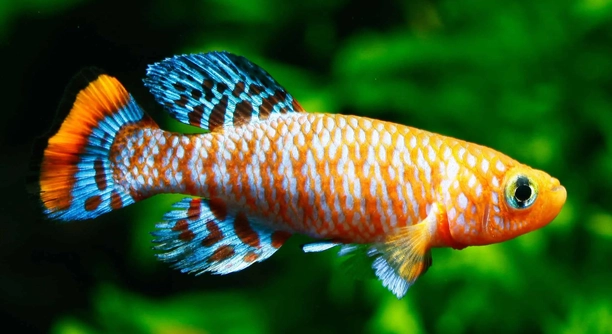
Have you ever noticed your killi fish shaking after feeding and felt unsure whether it’s normal behavior or something to worry about?
The shaking behavior in killi fish after feeding is usually linked to natural digestive responses, mild stress, or water quality issues. In some cases, it may also indicate internal parasites or neurological problems that require attention.
Understanding what causes this shaking can help you respond appropriately and ensure your fish stays healthy and stress-free.
Common Digestive Response
After feeding, killi fish may shake slightly as part of their normal digestion process. This movement often looks like brief twitching or swaying and usually stops within a few minutes. Their small size and active metabolism mean their bodies respond quickly to food intake. The shaking can help move food along their digestive tract, especially after a hearty meal. It’s most noticeable when they’ve eaten more than usual or consumed larger food particles. If your fish eats eagerly and then shakes for a short period before swimming normally, it’s likely just digesting.
Mild shaking after eating, paired with normal behavior and appetite, generally isn’t a sign of concern.
Watching your fish for a few minutes after feeding helps you recognize what’s normal for them. If the shaking stops quickly and they swim comfortably afterward, there’s likely no reason to worry. Observing patterns is key to catching potential issues early.
Response to Water Conditions
Shaking after feeding can also be triggered by sudden changes in water temperature or quality.
Poor water conditions place extra stress on your killi fish, especially after feeding when their bodies are working harder. High ammonia levels, unstable pH, or low oxygen can all make post-feeding activity more intense. In such conditions, fish may shake or twitch more often and appear restless. Regular water testing helps you catch shifts early. Feeding your fish when water conditions are already compromised can heighten their discomfort, making reactions like shaking more visible. It’s also important to ensure uneaten food isn’t breaking down in the tank, which can make water conditions worse. Remove excess food promptly and stick to a consistent feeding routine to avoid unnecessary buildup. Using a sponge filter or adding live plants can also help stabilize water parameters and support your fish’s health. Keeping their environment clean makes a big difference in how they handle feeding and digestion.
Reaction to Stress
Shaking after feeding can also happen when your killi fish feels stressed by its surroundings. Sudden noise, bright lights, or aggressive tank mates can trigger this behavior. Stress lowers their ability to handle digestion, leading to visible shaking.
Stress-related shaking usually shows up right after feeding when your fish is already more active. If something startles them during this time—like sudden movement near the tank—they may twitch or swim erratically. Adding floating plants, reducing tank noise, or adjusting lighting can help. Watch for signs like hiding, color fading, or gasping near the surface. These signs often come with the shaking and point to an environment that’s too intense. When things are calmer, the shaking tends to ease off. Creating a quiet, safe space helps killi fish recover faster and stay balanced during and after meals. Small changes in your tank setup can make a noticeable difference.
Noticing when your killi fish seems tense can help you respond before stress becomes a bigger problem. If your fish always shakes after being startled or during noisy times of day, it’s a good sign the environment needs adjusting. Keeping a peaceful tank, especially around feeding time, can ease this type of reaction.
Response to Overfeeding
Overfeeding is another common cause of shaking after meals. When killi fish eat too much, their tiny bodies have to work extra hard to digest it all, which can lead to twitching and sluggish behavior.
It’s easy to overfeed, especially when your fish looks eager for more. Their stomachs are small, and they only need a tiny amount per meal. When overfed, killi fish may shake, float oddly, or even rest at the bottom. This doesn’t always mean they’re sick, but it’s a sign their system is under pressure. Feeding too often or offering too much at once slows digestion and increases stress. Stick to feeding once or twice a day with amounts they can finish in two minutes. Try using smaller pellets or breaking food into finer pieces. Giving them a fasting day once a week helps reset their digestion and avoid these issues in the future.
Signs of Internal Parasites
If your killi fish shakes regularly after eating and shows other signs like weight loss or stringy waste, parasites could be the reason. Internal parasites often affect digestion and can make fish appear weak or unsteady after meals.
Treating parasites early is important. Medicated food or water treatments from a trusted fish supply source can help.
Neurological Causes
Some killi fish may shake due to neurological issues that affect movement and coordination. These problems may be genetic or caused by injury, infection, or poor nutrition. Shaking from neurological causes usually looks different—more erratic or constant—compared to mild post-meal twitching. If your fish’s shaking doesn’t go away, worsens over time, or is paired with odd swimming patterns, a neurological issue could be the cause. These cases are harder to treat. While some improve with better water quality and nutrition, others may need specific care or won’t fully recover. If you’re unsure, separating the affected fish can help keep the others safe while you monitor symptoms.
Recovery from Illness
A killi fish recovering from illness may shake more after eating as it regains strength. This behavior often fades with rest and improved care.
FAQ
Why does my killi fish shake only after feeding?
Shaking after feeding is often linked to how your killi fish processes food. Their small size and fast metabolism mean their bodies react quickly once they eat. Digestive muscles may twitch to move food along. Sometimes mild stress or water changes make this shaking more noticeable. If the shaking lasts only a few minutes and your fish behaves normally afterward, it is usually harmless.
Is shaking after feeding a sign of illness?
Not always. Brief shaking after meals is often normal. However, if shaking continues for a long time, your fish looks weak, loses weight, or shows abnormal swimming, it could indicate health problems like parasites or neurological issues. Monitor your fish’s overall behavior and check water quality. If symptoms persist, consider consulting a vet or fish specialist.
Can overfeeding cause shaking?
Yes, overfeeding puts stress on a killi fish’s digestive system. Their stomachs are small, and eating too much makes digestion harder. This extra effort can cause shaking or twitching. Feeding smaller amounts that your fish can finish within a couple of minutes helps avoid this. Fasting one day a week can also improve digestion.
How does water quality affect shaking?
Poor water quality causes stress that makes shaking worse. High ammonia, nitrites, or sudden temperature shifts irritate your fish’s body. Clean water helps keep their digestion smooth and reduces twitching after meals. Test your tank regularly and do partial water changes to maintain stable conditions.
Can stress from the environment cause shaking?
Yes. Loud noises, bright lights, or aggressive tank mates can stress your killi fish. After feeding, they are more sensitive and may shake if disturbed. Creating a calm tank environment with plants or hiding spots reduces stress. Lowering noise and dimming lights near feeding time also helps.
What should I do if shaking persists?
First, review water quality and feeding habits. Make sure your fish isn’t overfed and the tank is clean. Look for other signs like changes in color, appetite, or behavior. If shaking continues or worsens, try isolating the fish to monitor closely. Consult an aquatic veterinarian or experienced fish keeper for diagnosis and treatment options.
Are there treatments for parasites that cause shaking?
Yes, there are medications specifically made for treating internal parasites in fish. These often come as medicated food or water additives. It’s important to follow instructions carefully to avoid harming your fish or tank ecosystem. Early treatment usually leads to a better outcome.
Could neurological issues be permanent?
Some neurological problems might be genetic or due to past injuries and may not fully improve. Good water quality and nutrition can help manage symptoms, but constant shaking or erratic swimming could remain. In such cases, focus on reducing stress and providing a safe environment to improve your fish’s quality of life.
Is shaking related to the type of food?
Certain foods may be harder to digest, leading to more shaking. For example, large or dry pellets might cause discomfort. Offering smaller, softer, or live foods can ease digestion. Variety in diet also supports better overall health and reduces feeding-related stress.
Can shaking be prevented?
Yes, by feeding the right amount, maintaining excellent water quality, and providing a calm environment. Routine tank maintenance and observing your fish’s behavior help catch problems early. Regularly adjusting feeding amounts based on your fish’s appetite prevents overfeeding and related shaking.
When should I be most concerned about shaking?
If shaking is accompanied by lethargy, loss of appetite, unusual swimming, or physical changes like sores or bloating, it’s time to take action. These signs suggest illness or severe stress. Early intervention is important to protect your killi fish’s health.
How can I monitor my killi fish’s health best?
Spend a few minutes each day watching your fish before and after feeding. Look for changes in behavior, swimming, or appearance. Keep a log if needed. This habit helps identify patterns and catch issues early before they become serious.
Does tank size influence shaking?
Smaller or overcrowded tanks increase stress and reduce water quality, both of which can lead to shaking after feeding. Providing enough space and avoiding overcrowding improves your fish’s comfort and digestion.
Is fasting necessary to reduce shaking?
Fasting one day per week helps clear the digestive system and can reduce shaking caused by overfeeding. It’s a common practice among fish keepers to maintain digestive health and prevent feeding-related stress.
What role does temperature play in shaking?
Temperature fluctuations stress killi fish and can make them shake after eating. Keeping the tank temperature stable and within the species’ ideal range supports proper digestion and reduces nervous twitching. Use a reliable heater and thermometer to maintain consistency.
The shaking of killi fish after feeding is usually a natural behavior linked to their digestion, mild stress, or changes in their environment. Many times, this shaking is brief and not a cause for concern. It is part of how their small bodies react after eating and can help move food through their system. Observing your fish closely during and after feeding can help you understand what is normal for them. If the shaking stops quickly and they resume regular swimming and activity, it is a good sign that your fish is healthy and comfortable.
However, persistent or intense shaking could indicate underlying problems such as poor water quality, overfeeding, or health issues like parasites or neurological concerns. Water conditions play an important role in your fish’s overall well-being, and unstable parameters can stress them out, especially after meals when their bodies are working harder. Feeding the right amount and keeping the tank clean are key ways to reduce unnecessary shaking. If you notice your fish shaking for a long time or showing other signs of illness, it is important to take action quickly. Treating water problems, adjusting feeding routines, and seeking expert advice when needed can prevent more serious issues.
In the end, understanding your killi fish’s behavior after feeding helps you provide better care. By maintaining a stable environment, watching their eating habits, and recognizing early signs of distress, you can support their health and comfort. Small changes like improving water quality, adjusting feeding amounts, or reducing stressors in the tank make a noticeable difference. Paying attention to these details ensures your fish stays happy and healthy, with less shaking and more active, natural behavior. Consistent care and observation are the best ways to keep your killi fish thriving in their home.

Hello,
If you enjoy the content that we create, please consider saying a "Thank You!" by leaving a tip.
Every little bit helps us continue crafting quality advice that supports the health, happiness, and well-being of pets around the world, for pets of all shapes, sizes, and species.
We really appreciate the kindness and support that you show us!