
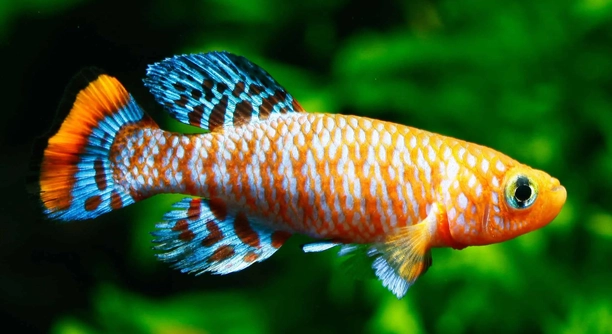
Killi fish are small, colorful freshwater fish popular in home aquariums. Many owners spend time watching them closely and wonder about their behavior and interaction. Understanding if these fish recognize their owner can add to the joy of keeping them.
Research shows that killi fish can recognize their owner through visual cues and become accustomed to their presence. This recognition is linked to routine feeding and interaction, which helps build a form of familiarity between the fish and the person caring for them.
Learning how killi fish recognize owners can improve care and deepen the bond between fish and keeper. This article explains the signs and what they mean for your aquarium experience.
How Killi Fish Recognize Their Owner
Killi fish rely heavily on their senses to interact with their environment. One of the main ways they recognize their owner is through visual cues. When you approach the tank regularly, the fish begin to associate your presence with feeding time. Over days or weeks, they learn to distinguish your shape, movements, and even the way you move your hand near the tank. This recognition helps reduce their stress and encourages them to swim closer when you are nearby. The consistency of your actions, such as feeding at the same time each day, reinforces this bond. Killi fish have relatively good eyesight for small fish, which allows them to identify specific shapes and colors. They don’t recognize people like pets such as dogs do, but they do learn to identify patterns linked to care and food. This behavior shows a simple form of memory and familiarity.
This recognition is not immediate; it takes time and repetition for killi fish to learn and respond to their owner’s presence. Consistency in care strengthens this behavior.
The ability of killi fish to recognize their owner depends on daily interaction. Feeding schedules and gentle movements near the tank signal safety and comfort. Over time, they start responding to these signals, swimming towards the front when you come close. This response shows their growing awareness and trust in their caretaker, even though it is based mostly on routine and survival instincts rather than emotional attachment.
Signs Your Killi Fish Recognize You
Killi fish show recognition by their behavior when you approach the tank. They may swim actively toward the front, follow your movements, or display excitement during feeding time. This response suggests they have learned to associate you with food and safety.
Recognition becomes clearer with regular feeding and interaction. When the fish consistently react to your presence by swimming closer or becoming more active, it shows they remember you. This behavior is not unique to killi fish but is common among many small aquarium fish. They learn to connect familiar human activity with positive outcomes, like feeding, which encourages recognition.
Noticing these signs helps you understand your fish better. It also encourages a routine that benefits both the fish and the owner by reducing stress and promoting healthier interaction. Regular interaction makes your aquarium a more engaging environment for your killi fish and enriches their daily life.
How to Encourage Recognition in Killi Fish
Consistency in feeding times helps killi fish recognize you faster. Approach the tank calmly and avoid sudden movements that might scare them.
Using a specific feeding routine creates a predictable environment for your fish. They start to expect your presence at certain times, which builds familiarity. Speaking softly or tapping gently on the tank before feeding can also get their attention. Over time, they associate these signals with food and safety. Patience is key, as recognition develops gradually.
Regular interaction without stress is important. Avoid startling your fish by moving slowly and keeping a steady routine. Killi fish respond well to repeated, gentle contact. This helps reduce their anxiety and encourages them to swim toward you. Small gestures, like feeding by hand or holding food in a consistent spot, reinforce this connection.
Impact of Recognition on Killi Fish Behavior
When killi fish recognize their owner, they tend to be more active and less shy. This behavior indicates comfort and trust in their environment.
Recognition can lead to healthier fish because they are less stressed. Stress in fish often weakens their immune system and can lead to illness. A calm fish is more likely to eat well and show natural behaviors. This makes caring for them easier and more rewarding. Their increased activity also makes the aquarium more enjoyable to watch, improving the overall experience of keeping these fish.
Common Misunderstandings About Killi Fish Recognition
Killi fish do not recognize owners in the same way pets like dogs or cats do. Their recognition is based mostly on routine and feeding.
They respond to consistent actions rather than emotional attachment. Expecting a deep bond similar to mammals can lead to disappointment.
How Environment Affects Recognition
A stable, quiet environment makes it easier for killi fish to recognize their owner. Frequent changes or loud noises can stress them, reducing their responsiveness. Maintaining a calm atmosphere supports the learning process and encourages fish to approach when you are near.
Interaction Tips for Better Recognition
Approach the tank calmly and at regular times. Use gentle movements to avoid startling your fish.
The Role of Feeding in Recognition
Feeding at consistent times and places helps killi fish associate you with food and safety, strengthening recognition.
FAQ
Do killi fish remember their owner?
Killi fish have the ability to remember patterns related to feeding and interaction. While they do not remember individuals like pets do, they learn to recognize consistent visual and routine cues from their caretaker. This memory helps them respond to your presence over time.
How long does it take for killi fish to recognize you?
Recognition develops gradually, often taking several weeks of regular interaction and feeding. Daily consistent routines help speed up this process. Sudden changes or inconsistent care can delay recognition or cause stress, making the fish less likely to respond.
Can killi fish recognize their owner by voice?
Killi fish rely mostly on sight rather than sound to recognize people. Although they may react to vibrations or tapping near the tank, they do not recognize voices the way mammals do. Visual cues and routine are more important for recognition.
Why doesn’t my killi fish come when I approach?
Fish may not respond immediately if they feel stressed or unsafe. New tanks, sudden movements, or inconsistent feeding schedules can cause hesitation. Building trust through slow, calm approaches and a regular routine encourages more active responses over time.
Does feeding fish by hand improve recognition?
Feeding by hand can enhance recognition as it creates a direct association between your presence and food. It also encourages fish to swim closer and become more comfortable with your movements. Be gentle and patient to avoid frightening them.
Do all killi fish species recognize their owners equally?
Recognition ability can vary slightly by species, but most killi fish share similar behaviors regarding routine and visual cues. Some species may be more shy or active, influencing how they respond, but the basic recognition pattern remains consistent.
Can stress affect recognition in killi fish?
Yes, stress negatively impacts recognition. When stressed, fish tend to hide or become less active, making it harder for them to learn and respond to cues. Keeping the tank environment stable and avoiding sudden changes helps reduce stress and improves recognition.
How can I tell if my killi fish recognize me?
Signs include swimming toward you when you approach, following your hand, or showing excitement during feeding time. These behaviors suggest they associate you with food and feel comfortable in your presence.
Is it safe to tap on the tank to get their attention?
Tapping gently and occasionally can alert your fish to your presence, but frequent or hard tapping can cause stress. Use this method sparingly and observe your fish’s reaction to ensure they are not disturbed.
Will killi fish recognize other family members?
Killi fish mainly recognize the person who regularly feeds and interacts with them. Other family members may be recognized if they follow the same routine and approach consistently, but this depends on the fish’s exposure and interaction frequency.
Killi fish are small but smart in their own way. While they do not recognize owners like dogs or cats, they do learn to recognize patterns related to feeding and daily care. Over time, they become familiar with the person who regularly feeds and interacts with them. This familiarity shows in their behavior when they swim closer or become more active as you approach the tank. Understanding this simple form of recognition helps improve the relationship between the fish and their caretaker.
Recognition in killi fish depends largely on routine and a calm environment. Consistency in feeding times and gentle movements near the tank allow them to connect your presence with safety and food. Sudden changes, loud noises, or irregular care can make the fish shy or stressed, making recognition harder. It is important to be patient and keep a steady routine to encourage your fish to respond positively. This consistent care not only helps your fish recognize you but also supports their overall health and well-being.
Although killi fish recognition is not the same as that of pets that show affection, it still adds enjoyment to keeping these fish. Seeing them react to your presence shows that they have adapted to their environment and trust the routine you provide. This simple bond can make the experience more rewarding. Providing a stable environment, consistent feeding, and gentle interaction will help your killi fish thrive and recognize you better over time.

Hello,
If you enjoy the content that we create, please consider saying a "Thank You!" by leaving a tip.
Every little bit helps us continue crafting quality advice that supports the health, happiness, and well-being of pets around the world, for pets of all shapes, sizes, and species.
We really appreciate the kindness and support that you show us!