
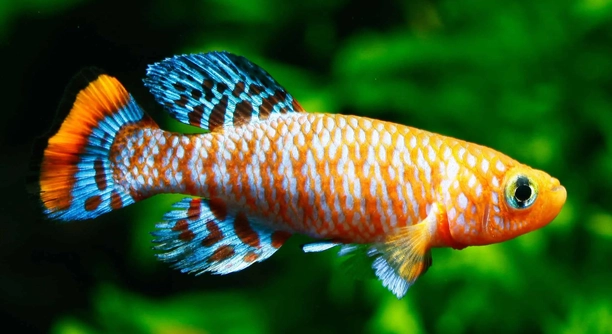
Many people enjoy keeping killifish as colorful and lively pets. Sometimes, these fish may show unusual behaviors, including attacking their own reflection. Understanding this behavior can help improve the care you provide for your killifish.
Killifish attack their reflection because they mistake it for a rival fish. This territorial response is common in many fish species and is triggered by the presence of what appears to be an intruder in their environment.
Learning more about why your killifish behaves this way can help you create a calmer tank environment and promote healthier interactions.
Why Killifish See Their Reflection as a Threat
Killifish are naturally territorial, especially males. When they see their reflection in the glass of the tank, they think another fish has entered their space. This triggers their instinct to defend their territory. The reflection appears to move and behave like a real fish, which only makes the response stronger. In many cases, this aggressive behavior is a way to establish dominance or protect a breeding area. This can cause the fish to attack the glass repeatedly. Over time, this may stress the killifish and even lead to injuries. The tank’s lighting and angle can affect how clearly the fish sees its reflection. Some owners notice the attacks happen more when the tank is quiet or when the fish is alone. Understanding these triggers can help manage the situation better.
Reducing reflections in the tank can calm your killifish and prevent repeated aggression.
How to Minimize Reflection Attacks
Covering the outside of the tank with a background can reduce reflections. Using dimmer lighting or repositioning the tank away from bright windows helps, too. Creating hiding spots inside the tank allows the fish to feel more secure and less likely to respond to reflections. Adding plants or decorations breaks up reflective surfaces and distracts the fish from the glass. Some owners also try placing another fish in the tank to reduce loneliness, though this requires careful consideration of species compatibility. Regularly observing your killifish can show whether these changes reduce aggressive behavior. These simple adjustments often lead to a calmer and healthier fish.
If the reflection problem persists, changing the tank setup or lighting might be necessary.
Adding live plants and varied tank decorations can make the environment more stimulating for your killifish. When a tank feels natural and secure, the fish is less likely to feel threatened by its reflection. A well-decorated tank provides multiple hiding spots, which can lower stress levels and reduce territorial attacks. Keep in mind, killifish prefer dim lighting, so soft light helps minimize reflection and keeps the fish comfortable. Maintaining good water quality and regular feeding schedules supports overall well-being, which can also reduce stress-driven behavior. By focusing on the tank’s environment and lighting, owners can create a space where their killifish feels safe, reducing aggressive attacks on reflections. This leads to a happier, healthier fish and a more peaceful tank.
Signs Your Killifish Is Stressed from Reflection Attacks
Aggressive behavior like constant attacking of the glass is a key sign your killifish is stressed. Other signs include hiding more than usual, loss of appetite, and unusual swimming patterns. These behaviors show the fish is uncomfortable in its environment and needs changes.
Stress can weaken a killifish’s immune system, making it prone to illness. When a fish constantly fights its reflection, it wastes energy and becomes more vulnerable. You might notice faded colors or less activity as the stress continues. It’s important to act quickly by adjusting the tank environment, reducing reflections, or adding hiding spots. Watching your killifish daily helps catch these signs early, allowing you to provide the care it needs to recover and feel safe.
Regular tank maintenance and a calm setting help your killifish feel less threatened and improve its overall health.
When to Seek Professional Help for Aggressive Behavior
If your killifish’s aggression persists despite changes, consulting a specialist is a good idea. Persistent stress can lead to serious health issues or injury. An experienced aquarist or vet can offer advice specific to your fish’s needs and tank setup. They may suggest treatments or behavioral modifications.
Sometimes aggression is a symptom of other issues like illness or poor water quality. Professionals can test the water and check for health problems. Getting expert help early can prevent long-term harm and improve your killifish’s quality of life. Don’t hesitate to reach out if you feel overwhelmed or unsure about managing aggressive behavior. Your fish’s well-being depends on timely and proper care.
Common Mistakes That Increase Reflection Attacks
Using bright tank lights can make reflections clearer and provoke attacks. Placing the tank near windows or shiny surfaces also increases reflection visibility. Avoid these setups to reduce aggression.
Not providing enough hiding spots causes your killifish to feel exposed. This makes them more defensive and likely to attack their reflection.
How Tank Size Affects Aggression
Smaller tanks give killifish less space to establish territory, which raises stress levels. When the fish feels cramped, it becomes more aggressive toward reflections and tankmates. A larger tank helps spread out territories, reducing confrontations. Providing at least 10 gallons per killifish can improve behavior and lower stress. Proper space also encourages natural swimming and exploration, which keeps your fish healthy and calm.
Signs Your Killifish Needs More Space
If your killifish frequently attacks the glass or hides constantly, it might be time for a bigger tank.
FAQ
Why does my killifish attack its reflection only at certain times?
Killifish often react more aggressively when they feel threatened or stressed. Reflection attacks may happen more during feeding times or when the tank is quiet, making the reflection stand out. Changes in lighting or shadows can also make the reflection seem more real. Your fish’s mood and environment directly affect how often this happens.
Can killifish hurt themselves by attacking the glass?
Yes, constant attacking can cause physical harm. Killifish may injure their fins, mouth, or body by hitting the glass repeatedly. This behavior is stressful and can lead to infections or long-term damage if not managed. It’s important to reduce reflection triggers and provide a safer environment to prevent harm.
Will adding more fish reduce reflection attacks?
Adding tankmates sometimes helps if the killifish feels lonely. However, killifish can be territorial, so adding more fish might increase aggression if the species aren’t compatible. It’s essential to research suitable tankmates and observe behavior carefully after introducing new fish.
How can I tell if my killifish is stressed besides attacking reflections?
Other signs include hiding, loss of appetite, dull colors, and erratic swimming. Stress may also cause your killifish to become less active or overly aggressive toward other fish. Watching for these signs helps you adjust the environment quickly to improve your fish’s comfort.
Is it normal for killifish to be aggressive in general?
Some aggression is natural, especially in males defending territory. However, constant attacks on reflections or tankmates show high stress or an unsuitable environment. Balanced aggression is part of their behavior, but excessive fighting signals a need for change.
What is the best way to reduce reflections in my tank?
Using a solid background, adjusting lighting, and avoiding bright or direct light sources lowers reflections. Adding plants and decorations breaks up reflective surfaces. Positioning the tank away from windows or mirrors also helps minimize reflection visibility.
Can reflections cause long-term behavioral problems?
Yes, ongoing stress from reflections can lead to chronic aggression, weakened immunity, and poor health. Long-term exposure to perceived threats tires the fish and can shorten its lifespan. Addressing reflection issues early prevents these lasting effects.
Should I cover the tank at night to reduce reflections?
Covering the tank at night can reduce light reflections caused by room lighting. This helps the fish rest and lowers stress levels. It’s a simple step to create a calmer environment during dark hours.
Are certain killifish species more prone to attacking reflections?
Some species are naturally more territorial and aggressive, making them more likely to attack reflections. Species like Nothobranchius males often show this behavior more than others. Knowing your killifish species’ temperament helps you prepare the tank accordingly.
Does tank size really affect how often my killifish attacks reflections?
Yes, smaller tanks make killifish feel confined and more defensive, which increases aggressive behavior toward reflections. Larger tanks give them room to establish territory and avoid constant confrontation with their reflection or other fish.
Killifish attacking their own reflection is a common behavior that many owners notice. This happens because the fish sees its reflection as another fish invading its territory. While this reaction is natural, it can cause stress and harm to the killifish if it happens too often. Recognizing this behavior early allows you to make simple changes that improve your fish’s environment. These changes help your killifish feel safer and more comfortable in its tank, reducing aggressive attacks on the glass.
There are several ways to help your killifish stop attacking reflections. Adjusting the lighting to reduce glare and placing a solid background behind the tank can limit reflections. Adding plants and decorations inside the tank gives the fish places to hide and breaks up reflective surfaces. Providing enough space with a properly sized tank also helps. When your killifish has room to swim and establish territory, it feels less threatened and behaves more calmly. Watching your fish closely for signs of stress or injury will let you know if more changes are needed.
Caring for a killifish means understanding its natural instincts and making adjustments to support its well-being. Aggression toward reflections is one example of how these instincts can show up in a home aquarium. By creating a calm, secure environment, you can reduce stress and promote healthy behavior. This leads to a happier fish and a more enjoyable experience for you as an owner. Simple steps like improving tank setup and lighting can make a big difference in your killifish’s life. Paying attention to its behavior helps ensure it stays healthy and active over time.

Hello,
If you enjoy the content that we create, please consider saying a "Thank You!" by leaving a tip.
Every little bit helps us continue crafting quality advice that supports the health, happiness, and well-being of pets around the world, for pets of all shapes, sizes, and species.
We really appreciate the kindness and support that you show us!