
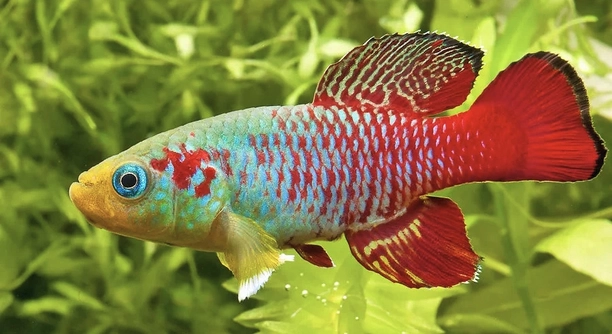
Killi fry are small, colorful fish that many hobbyists enjoy keeping. These tiny creatures need special care to grow healthy and strong. Understanding what causes deformities in killi fry can help keep them safe.
Deformities in killi fry are mainly caused by genetic issues, poor water quality, improper nutrition, and environmental stress. These factors can disrupt normal development, leading to physical abnormalities during early growth stages.
Learning about these causes helps improve the chances of raising healthy killi fry and prevents future problems in your aquarium.
Genetic Factors Affecting Killi Fry
Genetics play a significant role in the health and appearance of killi fry. Some deformities are inherited from parent fish, especially if they come from a limited gene pool or have been inbred. When the gene variety is low, the chances of passing on physical problems increase. Traits such as curved spines, fin deformities, or body shape irregularities can be traced back to genetic weaknesses. Avoiding breeding between closely related fish can reduce these issues. It’s also important to select healthy, strong fish for breeding to improve the quality of future fry. Keeping track of the lineage helps maintain genetic diversity, which supports the fry’s development and overall vitality. Over time, careful breeding can minimize the risk of deformities and support a stronger population of killi fry.
Keeping genetic diversity in mind can make a big difference in raising healthy fry.
Reducing genetic problems takes planning. Starting with unrelated and healthy parents ensures stronger offspring. Regularly introducing new fish from different sources helps increase gene variety. This practice lowers the risk of inherited deformities. Healthy genes mean fry are more likely to develop properly, live longer, and resist disease. Paying attention to genetics is one of the best ways to care for killi fry.
Environmental Conditions and Water Quality
Water quality is crucial for the development of killi fry. Poor water conditions can cause stress, which affects growth and can lead to deformities. Parameters like pH, temperature, hardness, and cleanliness must be monitored regularly. Ammonia, nitrite, or nitrate levels that are too high can be toxic and harm the fry. Even small changes in water chemistry can interfere with normal development. Keeping the tank clean and stable creates a safe environment where fry can thrive.
Maintaining stable water conditions supports healthy fry growth.
To ensure the best environment, frequent water testing is important. Use water conditioners if necessary, and avoid sudden changes in temperature or chemistry. Regular water changes and proper filtration keep harmful substances low. Providing plants or hiding places reduces stress by offering shelter. The environment needs to feel safe for fry to develop without physical problems. Paying attention to water quality and tank conditions is essential for preventing deformities and promoting strong, healthy killi fry.
Nutrition and Feeding Practices
Poor nutrition can cause deformities in killi fry by slowing growth and weakening their bodies. Providing balanced and appropriate food is key for healthy development.
Young fry need small, protein-rich meals like infusoria, baby brine shrimp, or specialized fry food. Feeding too little or too much can cause problems. Overfeeding leads to water pollution, which harms fry, while underfeeding limits growth and weakens their immune system. Proper feeding schedules help maintain stable water quality and support normal development. Variety in diet also ensures fry get essential vitamins and minerals, reducing the risk of deformities. Watching their feeding habits helps adjust portions and keep fry healthy.
Inconsistent feeding or poor diet quality often results in malnutrition, leading to physical problems. It’s important to provide fresh, appropriate food regularly and remove uneaten leftovers quickly. Good nutrition supports strong bones, fins, and overall body shape, preventing many deformities in killi fry.
Stress and Handling
Stress negatively impacts killi fry development and can cause deformities. Avoid sudden changes in the tank environment or rough handling to reduce stress levels.
Stressors include overcrowding, sudden temperature shifts, or aggressive tank mates. Keeping fry in a calm, stable environment reduces stress and encourages normal growth. Handling fry gently and only when necessary lowers the risk of injury. Providing enough space and hiding spots helps fry feel secure. Managing stress improves immune response and supports healthy development. Minimizing disturbances creates the best conditions for fry to grow without deformities.
Tank Setup and Space
Overcrowded tanks increase stress and competition among killi fry, leading to deformities. Adequate space is important for healthy growth.
Providing enough room allows fry to swim freely and reduces fights. Proper tank size and hiding spots create a safer environment, lowering risks of injury and stress.
Disease and Parasites
Diseases and parasites can cause physical deformities in killi fry by damaging tissues or interfering with development. Keeping the tank clean helps prevent outbreaks.
Regular observation for unusual behavior or appearance can catch problems early. Quarantining new fish before adding them to the main tank also protects fry from infection.
Water Temperature
Water temperature affects the metabolism and growth rate of killi fry. Temperatures too high or too low can cause developmental issues.
Maintaining a stable, species-appropriate temperature supports normal growth and prevents deformities caused by thermal stress.
FAQ
What are the most common deformities seen in killi fry?
Common deformities include curved spines, bent fins, misshapen bodies, and swollen or twisted tails. These physical issues often result from genetic problems, poor water quality, or inadequate nutrition. Early detection helps prevent worsening and improves care for the affected fry.
How can I tell if my killi fry are developing deformities?
Look for unusual body shapes, uneven fin growth, or trouble swimming. Deformities often become visible within the first few weeks. Regular observation during feeding and daily tank checks helps catch these signs early so you can adjust care.
Can deformities be reversed or fixed?
Most deformities cannot be completely reversed, but improving water quality, nutrition, and reducing stress can prevent further damage. Some fry may adapt and survive with mild deformities if given proper care, but severe issues often affect their survival.
Is breeding responsible for most deformities?
Breeding can increase the risk, especially with inbreeding or poor genetic diversity. Using unrelated, healthy breeding pairs reduces inherited deformities. Keeping track of lineage is important to avoid passing on genetic weaknesses.
How often should I test the water to prevent deformities?
Water should be tested at least once a week, or more often in new tanks or when problems appear. Checking ammonia, nitrite, nitrate, pH, and temperature helps maintain a safe environment that supports healthy fry development.
What is the best diet for preventing deformities in killi fry?
A varied diet with high protein, such as baby brine shrimp, infusoria, and quality fry food, supports growth and reduces deformities. Avoid overfeeding to prevent water quality issues. Fresh, nutrient-rich food promotes strong bones and fins.
Can stress alone cause deformities in killi fry?
Stress weakens the immune system and slows growth, which may lead to deformities over time. Causes include overcrowding, sudden water changes, and aggressive tank mates. Keeping a calm environment reduces stress-related problems.
Should I separate fry with deformities from healthy ones?
If deformities are severe or cause swimming difficulties, separating affected fry can reduce stress and injury risks. It also allows better monitoring and specialized care. Mild deformities may not require separation but need close attention.
How important is tank size for healthy fry development?
Adequate tank size ensures space for swimming and reduces competition and stress. Overcrowding increases the chance of injury and deformities. Providing hiding spots also helps fry feel secure, supporting proper growth.
What role does water temperature play in fry development?
Stable, species-appropriate water temperature supports normal metabolism and growth. Temperatures too high or low cause stress and developmental problems. Use a reliable heater and thermometer to keep the temperature steady and suitable for killi fry.
Taking care of killi fry involves paying close attention to many important factors. Genetic health, water quality, nutrition, and stress levels all play a role in how well the fry develop. Problems in any one of these areas can lead to deformities, which affect the fry’s ability to grow normally and survive. By understanding these causes, you can better protect your killi fry and give them a healthier start in life.
It is important to keep the tank clean and stable, providing the right temperature and water conditions. Feeding a balanced and appropriate diet helps the fry grow strong and avoid physical problems. Reducing stress by avoiding overcrowding and rough handling also supports healthy development. Taking small steps to improve these conditions can make a big difference in preventing deformities. Even small changes in how you care for the fry can help them live longer and healthier lives.
Overall, raising killi fry takes patience and attention to detail. Watching for early signs of deformities and adjusting care as needed is part of the process. Healthy fry are the result of good genetics, clean water, proper nutrition, and a calm environment. Staying consistent with these practices will increase the chances of success in your aquarium. By caring carefully, you give your killi fry the best chance to grow into strong, beautiful adult fish.

Hello,
If you enjoy the content that we create, please consider saying a "Thank You!" by leaving a tip.
Every little bit helps us continue crafting quality advice that supports the health, happiness, and well-being of pets around the world, for pets of all shapes, sizes, and species.
We really appreciate the kindness and support that you show us!