
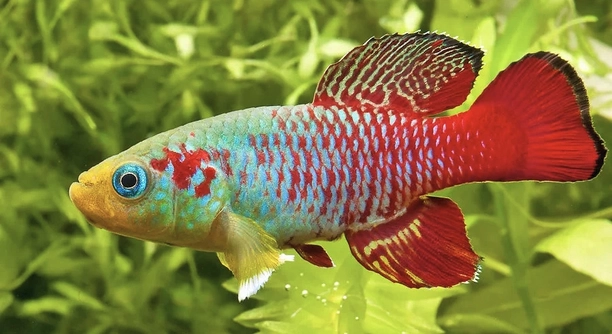
Killi fish are popular pets known for their vibrant colors and small size. Like any living creature, they can experience stress that affects their health and behavior. Recognizing the signs of stress is important for their well-being.
Stress in killi fish often shows through changes in behavior, physical appearance, and swimming patterns. Common signs include loss of appetite, faded colors, rapid gill movement, and erratic swimming. These indicators help identify when the fish is struggling.
Knowing these signs can help you provide better care and create a healthier environment for your killi fish. Understanding their needs is key to keeping them happy and healthy.
Changes in Color and Appearance
When a killi fish is stressed, one of the first things you might notice is a change in its color. Their bright, vibrant hues may start to fade or look dull. This happens because stress affects the pigments in their skin. Sometimes, they might also develop small white spots or patches, which can be a sign of illness linked to stress. Another visible sign is clamped fins, where the fins stay close to the body instead of spreading out naturally. These changes are important signals that your fish is not feeling well. Regular observation helps catch these signs early. Adjusting the environment, such as water quality and tank conditions, can improve their health and bring back their natural colors. Keeping stress low ensures your killi fish remain visually healthy and active.
Faded colors and clamped fins are reliable signs that your killi fish might be stressed. These visual cues should prompt immediate care adjustments.
By noticing these physical changes early, you can prevent further health problems. Maintaining clean water, appropriate temperature, and a calm environment reduces stress and promotes recovery. Your killi fish’s colors will return with good care.
Erratic Swimming and Behavior
Erratic swimming is a clear sign your killi fish may be under stress. They might dart around the tank quickly, hover near the surface, or stay hidden in one spot for long periods. These unusual movements indicate discomfort or fear, often caused by poor water conditions or sudden changes in the tank environment. Sometimes, overcrowding or aggressive tank mates can lead to this behavior. It’s important to check water parameters like pH, ammonia, and nitrate levels to ensure they are within the right range. Providing hiding places and a stable environment helps the fish feel secure. Watching how your fish moves every day lets you catch stress early and act before it worsens.
Erratic swimming is often caused by poor water quality or tank stressors.
Maintaining stable conditions is essential for killi fish to swim naturally. They need a peaceful tank with clean water and proper temperature. Avoid sudden changes in their environment and provide plenty of plants or decorations where they can hide. Reducing stress this way improves their behavior and overall health. Regular water testing and gentle tank maintenance help keep your fish calm and active.
Loss of Appetite
Loss of appetite is a common sign of stress in killi fish. When they stop eating or eat less than usual, it usually means something is wrong.
Stress can cause your killi fish to lose interest in food due to poor water quality, illness, or sudden changes in their environment. If the water temperature is too high or low, it can affect their metabolism and reduce hunger. Illnesses like parasites or infections also make fish less likely to eat. It is important to monitor feeding habits daily to spot this early. Providing a calm environment and clean water helps restore their appetite.
If your killi fish refuses food for several days, it’s important to test water parameters immediately. Fixing the environment and treating possible illnesses will improve their eating habits. Using high-quality food that mimics their natural diet can encourage feeding as they recover.
Rapid Gill Movement
Rapid gill movement is a clear indication of stress or discomfort. It means your killi fish is struggling to get enough oxygen.
When the gills move quickly, the fish may be experiencing low oxygen levels, poor water quality, or the presence of toxins. High ammonia or nitrate levels in the tank can cause this. Sometimes, overcrowding limits the oxygen available in the water. Watching the gill movement closely is important, as continued stress can weaken your fish and make it vulnerable to disease. Improving water circulation and performing regular water changes can help reduce rapid gill movement and ease stress. Maintaining a healthy tank environment supports better breathing for your killi fish.
Hiding More Than Usual
When a killi fish hides more than usual, it’s often a sign of stress. They may retreat to corners or stay under plants for longer periods.
This behavior shows they feel unsafe or uncomfortable in their environment. Stress from tankmates, water quality, or sudden changes can cause hiding.
Clamped Fins
Clamped fins mean the fins are held close to the body instead of spreading out naturally. This is a common stress response in killi fish. It often indicates poor water conditions, illness, or discomfort. Observing this sign early allows for quick action to improve the fish’s health and comfort.
Flashing or Scratching
Flashing or rubbing against objects happens when killi fish try to relieve irritation. It usually means external parasites or poor water quality are bothering them. Checking and treating the tank is necessary to reduce discomfort.
FAQ
How can I tell if my killi fish is stressed?
Stress in killi fish shows through physical and behavioral changes. Look for faded colors, clamped fins, rapid gill movement, loss of appetite, erratic swimming, or excessive hiding. These signs mean your fish is uncomfortable and needs attention. Regular tank checks and observation help catch stress early.
What causes stress in killi fish?
Stress often comes from poor water quality, sudden changes in temperature or pH, overcrowding, aggressive tank mates, and lack of hiding spaces. Illness and parasites can also cause stress. Keeping stable tank conditions and a peaceful environment reduces the chance of stress.
How do I improve water quality for my killi fish?
Perform regular water changes, ideally 20-30% weekly, to remove toxins. Test water for ammonia, nitrites, nitrates, and pH levels to ensure they are within safe ranges. Use a good filtration system and avoid overfeeding, which can pollute the water.
Why is my killi fish hiding so much?
Excessive hiding means your fish feels threatened or stressed. It can be caused by aggressive tank mates, poor water quality, or insufficient hiding spots. Adding plants or decorations can create safe spaces. Also, check that water parameters are stable and comfortable for your fish.
What should I do if my killi fish stops eating?
Loss of appetite is a serious sign of stress or illness. First, check water quality and tank conditions. If they are good, consider if the fish might be sick. Offering fresh, high-quality food can help encourage eating. If the problem persists, consulting a vet or experienced aquarist is best.
Can temperature changes stress my killi fish?
Yes, killi fish are sensitive to temperature shifts. Sudden or extreme changes can stress them, affecting their immune system and behavior. Keep the tank temperature steady, ideally between 72°F and 78°F (22°C to 26°C), depending on your species.
How does overcrowding affect killi fish?
Overcrowding increases stress by causing competition for food, space, and oxygen. It can also lead to aggressive behavior and poor water quality. Maintaining a proper fish-to-tank size ratio ensures your killi fish have enough room to swim and stay healthy.
What are the signs of parasites in killi fish?
Signs include flashing, scratching, rapid gill movement, clamped fins, and lethargy. Parasites irritate the skin and gills, causing discomfort. Quarantining new fish and keeping the tank clean helps prevent outbreaks. Treatment with appropriate medication is necessary if parasites are detected.
Is it normal for killi fish to change color?
Slight color changes can be normal during breeding or mood shifts, but sudden fading usually signals stress or illness. Keep an eye on other stress signs and check the environment to make sure everything is suitable for your fish.
How often should I clean my killi fish tank?
Cleaning should be done weekly or biweekly, depending on tank size and fish load. Regular partial water changes and filter maintenance prevent buildup of harmful substances. Avoid cleaning everything at once to preserve beneficial bacteria important for water health.
Final Thoughts
Taking care of killi fish means paying close attention to their behavior and environment. Stress can harm these small fish in many ways, from changing their colors to affecting their appetite and swimming patterns. Learning to recognize common signs of stress helps you act quickly to keep your fish healthy. Regular observation is key. By watching how your killi fish behaves daily, you can notice even small changes that might signal a problem. Early detection of stress means you can make changes to improve their environment and prevent serious health issues.
Keeping the tank clean and stable is one of the best ways to reduce stress in killi fish. Water quality affects them deeply, so regular water tests and partial water changes are essential. Make sure to check important factors like ammonia, nitrite, nitrate, and pH levels. These should stay within safe limits to keep your fish comfortable. Besides water quality, the tank’s temperature needs to be steady. Sudden shifts in temperature can make your fish anxious and weak. Adding plants and decorations can help by giving your killi fish places to hide when they feel scared or stressed. Creating a calm and safe space makes a big difference in their well-being.
Stress is not always caused by just one thing. It can be a mix of factors like overcrowding, aggressive tankmates, or poor diet. If your fish shows signs of stress, take time to review everything about their care. Make small changes slowly, so your fish can adjust without more stress. Sometimes, professional advice may be necessary if illness or parasites are involved. Overall, understanding the needs of your killi fish and providing a stable, clean environment will keep them happy and vibrant. Caring for these delicate fish requires patience and attention, but it is very rewarding to see them thrive.

Hello,
If you enjoy the content that we create, please consider saying a "Thank You!" by leaving a tip.
Every little bit helps us continue crafting quality advice that supports the health, happiness, and well-being of pets around the world, for pets of all shapes, sizes, and species.
We really appreciate the kindness and support that you show us!