
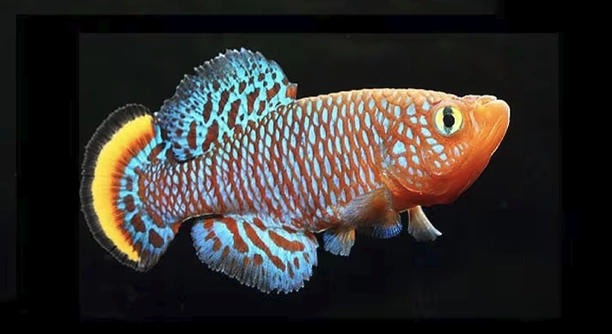
Killi fish are small, colorful fish often kept in home aquariums. Sometimes, they may suddenly stop swimming, which can worry their owners. Understanding why this happens is important for their care and well-being.
When killi fish stop swimming, it is often due to stress, poor water quality, or illness. Immediate actions include checking water parameters, ensuring proper temperature, and isolating affected fish to prevent further issues. Prompt intervention helps improve their chances of recovery.
Knowing what causes this behavior and how to respond can protect your fish’s health. This article will explain practical steps to help your killi fish stay active and healthy.
Common Reasons Why Killi Fish Stop Swimming
Killi fish may stop swimming for several reasons. Poor water quality is one of the most frequent causes. If the water has high ammonia or nitrite levels, it can stress the fish and affect their ability to swim. Temperature fluctuations also play a big role. These fish prefer stable, warm environments. Sudden drops or rises in temperature can shock them. Illness or parasites may weaken a killi fish, making it lethargic or inactive. In some cases, lack of oxygen in the water causes them to stay still or hang near the surface. Overfeeding can lead to water pollution, which affects the fish’s health. It’s important to test the water regularly and maintain a clean tank. Watching your fish daily can help catch these issues early before they get worse.
Stress from tank mates or overcrowding can also cause inactivity. Killi fish like calm spaces and sometimes need hiding spots to feel secure.
Proper tank maintenance and observation help keep killi fish swimming happily and healthily.
How to Improve Water Quality Quickly
Water quality can change fast in small tanks. Regular testing with simple kits helps catch problems early.
If water parameters are off, doing a partial water change of about 25-30% can quickly improve conditions. Use a water conditioner to remove harmful chemicals like chlorine. Avoid cleaning the tank or filter too thoroughly at once, as beneficial bacteria are essential for breaking down waste. Aeration helps increase oxygen levels, so adding an air stone or increasing filter flow can make a difference. If overfeeding is the issue, cut back on food and remove uneaten bits promptly. Maintaining a stable temperature using a reliable heater is also critical for keeping your killi fish comfortable.
Consistency in care is key to preventing future problems with water quality and fish activity.
Signs of Illness and How to Act
Illness can be hard to spot at first but is often behind a killi fish that stops swimming. Common signs include faded colors, clamped fins, and slow movement. Look closely for white spots or patches that might indicate parasites or fungal infections. Labored breathing or gasping near the surface is also a warning. If you notice any of these symptoms, isolate the affected fish in a separate tank to prevent spreading. Check water conditions carefully because poor water often worsens illness. Medication can be necessary but should be used only after confirming the problem, ideally with advice from a vet or experienced aquarist. Maintaining good hygiene and feeding a balanced diet strengthens your fish’s immune system. Early detection and swift action improve recovery chances.
Taking these steps can help your killi fish return to their lively swimming habits.
Adjusting Tank Environment
Small changes in the tank can help killi fish feel more comfortable and encourage swimming. Keep water temperature steady between 72 and 78°F. Avoid sudden lighting changes that may stress them.
Adding plants or hiding spots creates a natural environment. Plants not only provide cover but also improve water quality by absorbing nitrates. Gentle water flow is important—strong currents can tire the fish and cause them to stop swimming. A soft filter setting or sponge filter works best. Make sure the tank is not overcrowded; too many fish compete for oxygen and space. Keeping these conditions balanced supports healthier, more active killi fish.
Observe your fish regularly. When the environment suits them, they usually become more active and swim freely around the tank.
Feeding Tips to Encourage Activity
Proper feeding is essential for killi fish health and energy. Feed them small amounts two to three times daily, offering high-quality live or frozen foods like daphnia, brine shrimp, or bloodworms. Avoid overfeeding since uneaten food pollutes the water, causing stress and inactivity. Remove leftover food promptly to keep the tank clean.
A varied diet strengthens their immune system and supports vibrant colors. If your killi fish stop swimming, adjusting feeding habits often helps improve their condition. Feeding too much or too little affects their energy levels and behavior. Keep feeding consistent but moderate for the best results. Regular feeding combined with good water care encourages your fish to stay active and healthy.
Monitoring Water Parameters
Regular testing of water parameters is crucial. Check ammonia, nitrite, nitrate, and pH levels weekly. Keep ammonia and nitrite at zero and nitrates below 20 ppm for a healthy tank.
Consistent water quality helps prevent stress and illness, which often cause killi fish to stop swimming.
Common Stress Factors in Killi Fish
Stress in killi fish can come from poor water quality, overcrowding, or aggressive tank mates. Noise and sudden movements outside the tank may also frighten them. Stress weakens their immune system, making them vulnerable to disease. Reducing stress involves maintaining clean water, providing hiding spots, and ensuring compatible tank companions.
Signs of Oxygen Deficiency
If killi fish hang near the surface or gasp for air, oxygen levels might be too low. Increasing aeration or water movement can help.
When to Seek Professional Help
If your killi fish remain inactive despite all care steps, consulting a veterinarian or fish specialist is important for proper diagnosis and treatment.
FAQ
Why has my killi fish suddenly stopped swimming?
Killi fish often stop swimming due to stress, illness, or poor water conditions. Sudden changes in water temperature, high levels of ammonia or nitrites, or an overcrowded tank can shock them. Illness, such as parasites or bacterial infections, can also cause lethargy. Regular tank maintenance and observation can help catch problems early.
How can I tell if my killi fish is sick?
Look for signs like faded colors, clamped fins, slow or no movement, white spots, or patches on the body. Gasping at the surface or difficulty breathing also indicates illness. If you notice these symptoms, isolate the fish and check water quality immediately.
What should I do if my killi fish stops swimming?
First, test your water for ammonia, nitrites, nitrates, and pH. If any are off, do a partial water change. Make sure the tank temperature is stable and within the recommended range. Observe your fish for illness signs and isolate it if needed. Adjust feeding and tank environment to reduce stress.
Can poor water quality cause inactivity in killi fish?
Yes, poor water quality is one of the main reasons killi fish stop swimming. High ammonia or nitrite levels are toxic and stressful. Excess waste, leftover food, or lack of regular cleaning can lower water quality quickly. Regular testing and maintenance keep the environment safe.
How often should I test the water?
Testing weekly is ideal, especially for ammonia, nitrites, nitrates, and pH. Frequent testing helps detect changes early before they become dangerous. After any changes in the tank or if fish act differently, test more often.
What is the best temperature for killi fish?
Killi fish prefer a stable temperature between 72 and 78°F (22 to 26°C). Sudden drops or rises can cause stress and inactivity. Use a reliable heater and thermometer to maintain steady conditions.
Can tank mates affect my killi fish’s behavior?
Yes, aggressive or fast-moving tank mates can stress killi fish, causing them to hide or stop swimming. They prefer calm companions and enough space. Avoid overcrowding and observe how different species interact.
How much should I feed my killi fish?
Feed small amounts two to three times daily. Use live or frozen foods like daphnia, brine shrimp, or bloodworms. Avoid overfeeding because leftover food pollutes the water and harms fish health. Remove uneaten food promptly.
What type of tank setup is best for killi fish?
A planted tank with hiding spots helps killi fish feel secure. Gentle water flow and proper aeration are important. Keep tank size appropriate for the number of fish to avoid overcrowding.
Why does my killi fish hang near the surface?
Hanging near the surface often means low oxygen levels in the water. Increase aeration using an air stone or adjust filter flow. Ensure good water circulation and avoid overcrowding.
When should I seek professional help for my killi fish?
If your fish remain inactive despite improving water conditions, adjusting feeding, and reducing stress, it may need medical treatment. Consult a veterinarian or fish specialist for proper diagnosis and care.
How can I reduce stress in my killi fish?
Maintain stable water conditions, provide plenty of hiding spots, and avoid sudden changes in lighting or temperature. Choose peaceful tank mates and keep noise and vibrations near the tank low.
Can overfeeding cause killi fish to stop swimming?
Yes, overfeeding pollutes the water and causes poor conditions that lead to stress and inactivity. Feed only what your fish can eat in a few minutes and remove leftovers.
How do I isolate a sick killi fish?
Use a separate quarantine tank with clean, conditioned water. Keep temperature and conditions similar to the main tank. Monitor the fish closely and apply any treatments as needed.
Is it normal for killi fish to rest at the bottom?
Sometimes killi fish rest near the bottom, but if they stay there for long periods and don’t swim actively, it could indicate a problem. Monitor their behavior closely and check water quality.
Can changing the lighting help inactive killi fish?
Avoid sudden bright lights or frequent changes in lighting, as this can stress the fish. Soft, consistent lighting with some shaded areas is best.
What live foods are best for encouraging activity?
Daphnia, brine shrimp, and bloodworms are excellent live foods that encourage natural hunting and movement. These foods improve health and stimulate swimming.
How do I keep my tank clean without stressing the fish?
Do regular partial water changes and clean only parts of the tank or filter at a time to protect beneficial bacteria. Avoid deep cleaning all at once.
What signs show improvement in my killi fish?
Look for brighter colors, more active swimming, and normal eating habits. The fish should stop hiding and respond to feeding times.
Can sudden tank changes cause killi fish to stop swimming?
Yes, moving the tank, changing water too quickly, or rearranging decorations can stress fish. Make changes gradually when possible.
These answers should help keep your killi fish healthy and swimming happily.
Killi fish are delicate creatures that need careful attention to thrive. When they stop swimming, it is usually a sign that something in their environment or health needs fixing. Paying close attention to water quality, temperature, and tank conditions helps prevent many common problems. Regularly testing the water and keeping it clean is one of the best ways to ensure your killi fish stay active and healthy. Stable temperatures between 72 and 78°F support their natural behavior and reduce stress. Adding plants and hiding spots creates a comfortable environment where your fish feel safe and more willing to swim around.
Feeding habits also play an important role in your killi fish’s activity levels. Overfeeding or feeding poor-quality food can harm water quality and lead to health issues. Offering small, frequent meals of live or frozen foods like daphnia or brine shrimp helps keep your fish energized and healthy. Removing uneaten food quickly prevents pollution and keeps the tank clean. Watching your fish during feeding times can give clues about their health. Healthy fish are usually curious and respond well to food, while sick or stressed fish may ignore it or hide. Proper care through feeding and tank maintenance builds a strong foundation for their well-being.
If your killi fish do stop swimming, act quickly by checking water conditions and observing for illness signs. Sometimes simple fixes like partial water changes or adjusting the temperature can make a big difference. If illness is suspected, isolating the affected fish and seeking advice from a fish care expert can improve recovery chances. Remember that stress is a common cause of inactivity, so reducing loud noises, aggressive tank mates, and sudden changes helps. Keeping a calm and consistent environment encourages your killi fish to remain lively and swim confidently. Overall, careful attention and quick responses to problems are key to enjoying a healthy, vibrant aquarium with active killi fish.

Hello,
If you enjoy the content that we create, please consider saying a "Thank You!" by leaving a tip.
Every little bit helps us continue crafting quality advice that supports the health, happiness, and well-being of pets around the world, for pets of all shapes, sizes, and species.
We really appreciate the kindness and support that you show us!