
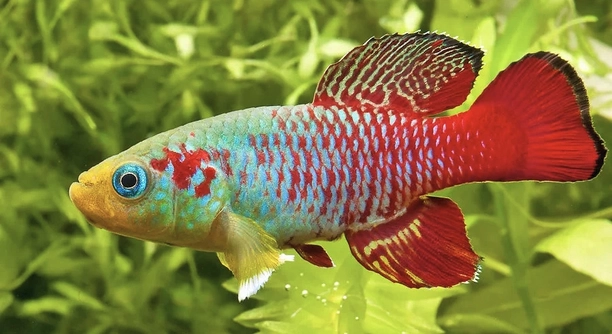
Keeping different fish species together in one tank is a common interest for many aquarium enthusiasts. Guppies and killifish are popular choices due to their bright colors and lively behavior. Knowing how they interact can help create a peaceful aquatic environment.
Housing killifish with guppies is possible but requires careful consideration of tank size, temperament, and water conditions. Killifish can be territorial, so compatibility depends on specific species and proper setup to minimize stress and aggression.
Understanding these details will help you create a balanced tank where both species can thrive comfortably.
Understanding Killifish Behavior
Killifish are known for their unique and sometimes territorial behavior. They often prefer their own space and can become aggressive toward other fish if they feel threatened. Some species of killifish are more peaceful than others, but many will defend their territory fiercely. This can be a challenge when mixing them with other fish like guppies, which are usually social and active swimmers. Killifish also have specific water preferences, often thriving in slightly acidic to neutral water with moderate temperatures. Their diet mostly consists of live or frozen foods, which can make feeding time a little more involved if you also keep guppies, who eat flakes or pellets. Setting up plenty of hiding spots and plants can help reduce aggression and give both fish places to feel safe. Observing their interactions closely during the first few weeks is key to ensuring they can live together without constant conflict.
Both species need enough space and proper tank conditions to reduce stress and aggressive behavior.
When combining killifish and guppies, it’s important to maintain clean water and a well-planted tank. Plants like Java moss or floating species give killifish places to hide and feel secure. Guppies benefit from open swimming areas, so balancing these needs helps both species coexist. Regular water changes and monitoring pH and temperature keep the environment stable. Keep in mind that some killifish species prefer darker tanks with subdued lighting, while guppies enjoy brighter conditions. Adjusting light and decorations to meet these preferences can help keep peace. Lastly, feed both species separately if needed to make sure each gets the right food and avoids competition. With patience and care, these two types of fish can share a healthy and calm tank.
Tank Setup Tips for Mixed Species
Keeping killifish and guppies together needs careful tank planning. Size and layout are important.
A tank of at least 20 gallons is ideal when housing killifish with guppies. This size provides enough space to create separate zones for each species. Use dense planting and driftwood to break up open swimming areas. This reduces direct encounters and gives killifish spots to hide. Adding floating plants helps filter light and provides shade, which killifish appreciate. Make sure the filtration system maintains good water quality without strong currents, as killifish prefer calm water. Temperature should stay between 72°F and 78°F to suit both species comfortably. Testing water parameters regularly is essential since guppies tolerate a wider pH range than most killifish. Feeding routines can also affect harmony; offering a varied diet and targeting food toward each species reduces competition. Proper tank setup is the foundation for a peaceful community aquarium with killifish and guppies.
Feeding Killifish and Guppies Together
Killifish and guppies have different dietary needs, which can make feeding them together a bit tricky. Killifish prefer live or frozen foods, while guppies eat flakes or pellets.
To meet both species’ needs, offer live or frozen foods like brine shrimp or bloodworms for the killifish. Feed guppies with high-quality flake or pellet food, but supplement their diet occasionally with live treats to keep them healthy. Feeding separately or spreading food throughout the tank reduces competition and stress during mealtime. Make sure killifish get enough protein, as they require more than guppies do. Observing feeding behavior helps ensure both species receive proper nutrition.
It’s important to maintain a regular feeding schedule, as overfeeding can lead to poor water quality. Keep uneaten food to a minimum by adjusting portions and removing leftovers quickly. Balanced feeding keeps both fish healthy and helps avoid aggression during meals.
Monitoring Compatibility Over Time
Fish behavior can change, so keep an eye on how killifish and guppies interact over weeks and months. Some initial aggression might settle down once territories are established.
If aggression persists, try rearranging tank decorations to break up territories and reduce stress. Sometimes separating the fish temporarily can help calm the situation. Watch for signs of illness or stress in both species, such as hiding or loss of color. Early intervention can prevent serious problems. Consistent water quality and proper diet support long-term health. With attention and care, killifish and guppies can coexist peacefully, but ongoing monitoring is necessary to maintain harmony.
Tank Maintenance Tips
Regular tank maintenance is essential when keeping killifish and guppies together. Clean water helps prevent stress and illness. Perform partial water changes weekly to keep nitrate levels low and water fresh.
Check filters often to ensure they run smoothly. Remove debris and leftover food promptly to avoid water quality issues. Maintaining stable water conditions supports both species’ health and reduces aggression.
Water Parameters for Mixed Tanks
Both killifish and guppies thrive in slightly different water conditions. A temperature between 72°F and 78°F works well for both. The pH should stay near neutral, around 6.5 to 7.5, to satisfy their needs. Hardness can vary, but moderate hardness is best. Regular testing helps keep these levels stable. Sudden changes in water chemistry can stress fish and cause health problems. Adjust water parameters slowly if needed to avoid shocking them. Keeping these conditions steady allows both species to feel comfortable and thrive in the same environment.
Signs of Stress in Fish
Watch for changes like hiding, loss of color, or erratic swimming. These may show stress or illness.
Stress can lead to health problems, so quick action is important.
Address any issues early to keep the tank peaceful and healthy.
FAQ
Can killifish and guppies live together peacefully?
Killifish and guppies can live together if their tank is set up carefully. The main challenge is managing the killifish’s territorial behavior. Providing enough space, plants, and hiding spots helps reduce aggression. Keeping water conditions stable and feeding both species properly also supports peaceful cohabitation. Not all killifish species are equally aggressive, so choosing more peaceful varieties increases success.
What size tank is best for killifish and guppies?
A minimum of 20 gallons is recommended when housing killifish with guppies. This size gives both species enough room to establish territories and avoid frequent contact. Larger tanks make it easier to create separate zones with plants and decorations, which reduces stress. Overcrowding will increase aggression and harm the fish’s health.
How often should I feed killifish and guppies in a shared tank?
Feeding both species once or twice daily works well. Killifish need more protein-rich foods like live or frozen brine shrimp or bloodworms, while guppies eat flakes or pellets. Offering a varied diet helps keep both healthy. Feeding at the same time can cause competition, so scatter food or feed in different areas to avoid conflict.
Can killifish eat guppy fry?
Yes, killifish are known to eat guppy fry. If you plan to breed guppies in a tank with killifish, provide plenty of hiding places for the fry. Floating plants or dense vegetation can give the babies protection. Otherwise, separating the fry or breeding guppies in a different tank is safer.
Are water parameters difficult to manage for both species?
Not necessarily, but attention to detail is needed. Both fish prefer similar temperatures, around 72°F to 78°F, and a neutral pH between 6.5 and 7.5. Killifish may prefer slightly softer water, but moderate hardness usually works for both. Frequent water testing helps catch any changes early, keeping the environment stable.
What are signs that killifish and guppies are not getting along?
Signs include frequent chasing, fin nipping, hiding, or stressed behavior like loss of color or lethargy. If aggression is severe, one species may avoid open areas or stop eating. Early signs can be controlled by rearranging plants or providing more hiding spots. If problems continue, separating the fish may be necessary.
Can killifish survive on flake food alone?
Killifish usually require more protein than what flake food offers. They thrive best on live or frozen foods like bloodworms, brine shrimp, or daphnia. Feeding only flakes may cause health issues over time. Supplementing their diet is important for their well-being.
Do guppies and killifish need the same water temperature?
They have overlapping temperature ranges. Both species do well between 72°F and 78°F, making temperature management easier. Sudden temperature changes should be avoided to prevent stress. Keeping the tank heater steady is key to maintaining harmony.
How can I reduce aggression if killifish are chasing guppies?
Add more plants, decorations, or floating cover to break up the tank into smaller zones. This limits direct line of sight and gives fish places to escape. Rearranging the tank every few weeks can also prevent killifish from claiming fixed territories. Ensuring plenty of space and clean water supports calmer behavior.
Is breeding killifish and guppies in the same tank a good idea?
Breeding both in the same tank can be difficult. Killifish may prey on guppy fry, and guppy activity might stress killifish during spawning. It’s better to breed them separately or provide dense cover and hiding spots for fry. Dedicated breeding tanks give the best chance of success for both species.
Keeping killifish and guppies together in one tank can work well if you take the right steps. Both fish have different needs, especially when it comes to behavior and diet. Killifish tend to be more territorial and can act aggressively toward other fish, while guppies are usually peaceful and social. Because of this, it is important to set up the tank carefully. Giving them enough space and plenty of plants or hiding spots helps keep their interactions calm. When fish feel safe and less stressed, they are less likely to show aggression. Observing their behavior regularly lets you spot any problems early and make changes if needed.
Water conditions play a big role in keeping both killifish and guppies healthy. They like similar temperatures, usually between 72 and 78 degrees Fahrenheit, but killifish may prefer slightly softer water. Testing the water regularly to keep pH and hardness levels stable will help both species thrive. Feeding them the right food is also very important. Killifish need more protein, so live or frozen foods like brine shrimp or bloodworms are best. Guppies eat flakes or pellets but also enjoy some live food now and then. Feeding separately or spreading food around the tank can reduce competition during mealtime. By paying attention to these details, you give both fish a better chance to live happily together.
It’s important to remember that even with the best setup, some killifish species may not get along well with guppies. Watching how they behave over time will tell you if your tank needs adjustment or if you need to separate them. Sometimes small changes, like rearranging plants or increasing tank size, can solve problems. Other times, it may be better to keep the species apart. Keeping killifish and guppies together is possible, but it requires patience and care. With the right environment and attention, you can enjoy a colorful and peaceful community tank.

Hello,
If you enjoy the content that we create, please consider saying a "Thank You!" by leaving a tip.
Every little bit helps us continue crafting quality advice that supports the health, happiness, and well-being of pets around the world, for pets of all shapes, sizes, and species.
We really appreciate the kindness and support that you show us!