
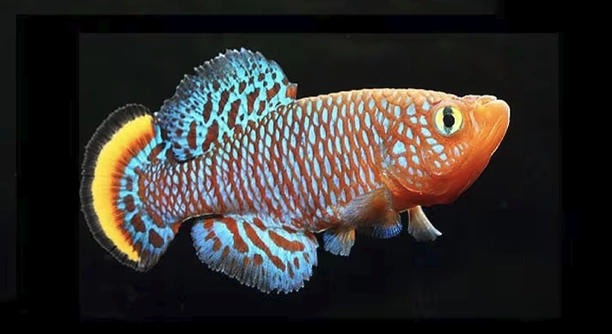
Keeping killifish healthy can be tricky, especially when small mistakes cause big stress. These delicate fish need careful attention to their environment and care routines. Understanding common errors can help improve their well-being and lifespan.
Killifish often become stressed due to poor water quality, improper tank setup, overcrowding, incorrect diet, sudden changes, inadequate hiding spaces, and inconsistent maintenance. Each of these factors negatively impacts their health and behavior, leading to increased stress levels.
Recognizing these mistakes and learning how to fix them can greatly improve your killifish’s quality of life. This article will guide you through practical solutions for a healthier, happier tank environment.
Poor Water Quality
Poor water quality is one of the most common reasons killifish become stressed. When ammonia, nitrites, or nitrates build up in the tank, it can quickly harm your fish. Even small amounts of these toxins affect their gills and skin, causing discomfort and illness. Killifish are especially sensitive to changes in water chemistry, so regular testing is essential. Using a reliable water test kit helps you monitor pH, hardness, and toxin levels. Frequent partial water changes keep the environment stable and clean. Avoid overcrowding, as too many fish can increase waste and reduce water quality. Also, avoid overfeeding, since leftover food decomposes and pollutes the tank. Maintaining good filtration and removing debris helps maintain water clarity and safety. A healthy water environment reduces stress and supports your killifish’s natural behavior.
Keeping water clean means testing regularly and changing 20-30% of the water weekly. This keeps toxins low and your fish comfortable.
Water quality impacts every aspect of killifish health. If water conditions fluctuate suddenly, it causes stress and weakens their immune system. Proper filtration removes harmful substances, while water changes dilute waste products. The pH should remain stable between 6.0 and 7.5, depending on the species, to mimic their natural habitat. Soft to moderately hard water is usually best. Avoid sudden temperature changes by using a heater with a thermostat. Regular maintenance of filters and careful feeding prevent excess waste buildup. Paying attention to water quality not only keeps your killifish alive but also encourages vibrant colors and active swimming. Clean water creates a safe space for your fish to thrive, reducing illness and stress. It is one of the easiest yet most important steps to successful killifish care.
Improper Tank Setup
An improper tank setup can cause stress by making killifish feel exposed or uncomfortable. Killifish prefer planted tanks with plenty of hiding spots and soft lighting. Bare or brightly lit tanks can cause anxiety. It’s important to replicate their natural environment as much as possible.
The tank size should be appropriate for the number of fish. Crowded spaces lead to stress and aggression.
Tank design plays a major role in killifish well-being. Plants such as Java moss, floating plants, and fine-leaved species provide shelter and reduce light intensity. These elements help killifish feel secure and reduce stress-related behavior. Substrate should be soft and natural, like sand or fine gravel, to avoid injury. Decorations must be arranged to create small caves or tunnels where fish can retreat. Avoid sharp or rough objects that could harm delicate fins. Consistent lighting schedules help regulate their daily rhythms. A well-planned tank mimics the calm and sheltered waters where killifish live naturally. This environment supports their natural swimming patterns and breeding behavior. Providing proper space and hiding spots allows killifish to relax and feel safe, which lowers stress and improves their overall health.
Overcrowding
Overcrowding raises stress levels by increasing competition for space and resources. Killifish need enough room to swim freely without feeling threatened by others.
Too many fish in one tank can cause aggression and injuries. When space is limited, killifish may constantly chase each other, leading to exhaustion and stress. Overcrowding also causes faster water quality decline because of increased waste, which further harms fish health. Providing at least one gallon of water per inch of fish length helps reduce tension. Separating aggressive individuals or adding more hiding places can also ease overcrowding problems.
Keeping the population balanced supports healthy social behavior and lowers stress. It encourages peaceful interactions and helps killifish show their natural colors and activity levels.
Sudden Changes
Sudden changes in water temperature, chemistry, or environment cause shock and stress in killifish. These fish thrive in stable conditions and don’t handle quick shifts well.
A rapid change in temperature or pH can disrupt their bodily functions, making them vulnerable to disease. When moving killifish to a new tank, it is important to acclimate them slowly. Gradually adjusting water parameters over several hours reduces stress. Avoid sudden light changes or rearranging the tank too often, as killifish rely on consistency. Consistent feeding schedules also help maintain stability in their routine. Preventing abrupt changes creates a calmer environment where killifish feel safe and secure. Maintaining steady conditions boosts their immune system and encourages natural behavior.
Inadequate Diet
An inadequate diet can cause stress by weakening killifish’s health and immune system. They need a varied diet to stay strong and active.
Feeding only one type of food leads to nutrient deficiencies. Offering a mix of high-quality flakes, frozen or live foods keeps them healthy.
Lack of Hiding Spaces
Killifish feel vulnerable without enough places to hide. This increases their stress and can cause them to hide constantly or become aggressive.
Plants, caves, and decorations create safe spots that help killifish relax. These shelters reduce fear and encourage natural behavior in the tank.
Inconsistent Maintenance
Inconsistent tank maintenance causes unstable water conditions that stress killifish. Skipping water changes or filter cleaning lets toxins build up quickly.
Regular care keeps the environment healthy, reducing stress and illness in your fish. Set a weekly schedule for maintenance to keep everything balanced.
FAQ
What are the signs that my killifish is stressed?
Stress in killifish shows through changes in behavior and appearance. They may hide more often or become unusually aggressive. Loss of appetite, faded colors, and sluggish swimming are common signs. You might also notice rapid gill movement or gasping at the water surface. These symptoms indicate the fish is uncomfortable or sick. Early detection helps prevent serious health problems. Regular observation is important to catch stress before it worsens.
How often should I test the water for my killifish?
Testing water weekly is best for keeping killifish healthy. Focus on ammonia, nitrites, nitrates, pH, and hardness levels. These factors affect fish comfort and survival. If you spot any issues, test more frequently until the problem is resolved. Consistent monitoring helps avoid sudden changes that stress the fish. Using a good quality test kit ensures accurate results.
Can killifish live with other fish?
Killifish can sometimes share a tank with peaceful species that have similar water needs. However, they may become territorial or stressed if tank mates are too aggressive or active. Avoid overcrowding and choose companions carefully. Small, calm fish like certain tetras or rasboras might work well. Always watch for signs of stress or aggression and separate fish if needed.
What is the best diet for killifish?
A varied diet is essential for killifish health. They thrive on live or frozen foods like bloodworms, brine shrimp, and daphnia. High-quality flakes or pellets can be included, but should not be the only food source. Variety prevents nutrient gaps and keeps your fish interested in eating. Feeding small amounts twice daily helps maintain their digestive health and reduces waste buildup.
How do I properly acclimate new killifish?
Acclimating new killifish slowly reduces shock and stress. Float the sealed bag in the tank for 15-20 minutes to match temperature. Then, gradually add small amounts of tank water into the bag over 30-60 minutes. This adjusts the fish to new water chemistry. Avoid sudden transfers or large water changes. After acclimation, gently release the fish into the tank and monitor closely for stress signs.
What tank size is ideal for killifish?
A minimum of 10 gallons is recommended for a small group of killifish. This provides enough swimming space and helps maintain stable water quality. Larger tanks are better for multiple fish or more complex setups with plants and hiding spots. Proper size reduces territorial disputes and stress caused by cramped conditions. Always avoid overcrowding to keep your killifish comfortable.
How often should I clean my tank and filter?
Partial water changes of 20-30% weekly help maintain water quality and remove waste. Filter maintenance depends on the filter type, but usually cleaning or replacing media once a month is sufficient. Avoid cleaning the entire filter at once to preserve beneficial bacteria. Consistent maintenance prevents buildup of harmful substances and keeps the environment stable for your killifish.
Why do killifish sometimes jump out of the tank?
Killifish are natural jumpers and may leap when stressed, startled, or during feeding. A tight-fitting lid or aquarium cover helps prevent escape. Reducing sudden noises, bright lights, or aggressive tank mates lowers jump risk. Providing plenty of hiding spots and a calm environment also reduces their desire to jump.
Can stress affect killifish breeding?
Stress negatively impacts killifish breeding by lowering their energy and interest in spawning. Stable conditions, proper diet, and a peaceful environment encourage breeding behavior. Providing suitable spawning sites like floating plants or mops also helps. Avoid sudden changes or overcrowding to reduce stress and improve breeding success.
What should I do if my killifish looks sick?
If your killifish shows signs of illness, first check water quality and tank conditions. Poor water is often the root cause of sickness. Isolate the affected fish if possible to prevent spread. Consult resources or a vet for proper diagnosis and treatment. Early intervention increases the chance of recovery. Maintaining stress-free conditions supports healing and prevents future illness.
Keeping killifish healthy requires paying attention to several important details. Stress can come from many sources, including poor water quality, overcrowding, sudden changes, and inadequate diet. Each of these problems affects the fish’s health and behavior. By understanding these common issues, you can take simple steps to reduce stress and improve your killifish’s well-being. Regular care, stable tank conditions, and proper feeding create a safe environment where your fish can thrive. This makes a big difference in their lifespan and overall happiness.
Many killifish problems can be prevented by maintaining good water quality. Testing the water regularly and doing partial water changes helps keep toxins low. Avoid overcrowding to reduce competition and aggression. Providing plenty of hiding places helps killifish feel secure, lowering their stress levels. A varied diet with live, frozen, or quality prepared foods supports their nutrition and energy. Avoid sudden changes in temperature or water chemistry to prevent shock. These practices are easy to follow but have a big impact on your fish’s health. Small, consistent actions go a long way in creating a calm, healthy tank.
Finally, watching your killifish closely helps catch problems early. Stress often shows up through changes in behavior, appetite, or appearance. When you notice these signs, check the water and tank setup immediately. Taking action quickly helps prevent illness and promotes recovery. Keeping a regular maintenance schedule, feeding well, and providing a comfortable space will keep stress low. With patience and attention, your killifish will live a longer, healthier life. Caring for these beautiful fish can be very rewarding when their needs are met properly.

Hello,
If you enjoy the content that we create, please consider saying a "Thank You!" by leaving a tip.
Every little bit helps us continue crafting quality advice that supports the health, happiness, and well-being of pets around the world, for pets of all shapes, sizes, and species.
We really appreciate the kindness and support that you show us!