
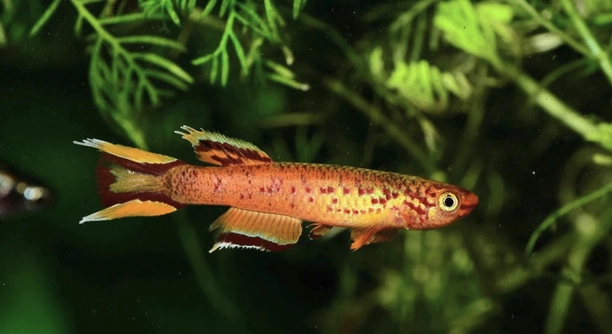
Killi fish are small, colorful freshwater fish that many enjoy keeping in home aquariums. They are known for their peaceful nature and interesting behaviors. Many aquarists wonder how to best house these fish together for their well-being.
The ideal number of killi fish in one tank depends on the tank size and species. Generally, one gallon of water per killi fish is recommended to avoid overcrowding and maintain water quality. Proper space helps reduce stress and aggression.
Knowing the right number of killi fish to keep together helps ensure a healthy and happy aquarium environment. The following information will guide you in setting up the perfect home for your fish.
Factors Affecting How Many Killi Fish You Can Keep Together
The number of killi fish that can live together depends mainly on the size of your aquarium and the species of killi fish you have. Some species are smaller and more peaceful, while others can be more territorial. Tank size plays a big role because overcrowding can cause stress and lead to unhealthy water conditions. For example, a 10-gallon tank can comfortably hold about 8 to 10 small killi fish. It is also important to have good filtration and regular water changes to keep the environment clean. Besides tank size, consider adding plenty of plants and hiding spots to reduce aggression. Killi fish appreciate places where they can retreat and feel safe. Mixing species should be done carefully because not all killi fish get along. Knowing these factors can help you create a balanced community that thrives together.
Maintaining water quality is just as important as tank size when keeping multiple killi fish.
Providing a healthy environment requires attention to water parameters like pH, temperature, and cleanliness. Killi fish prefer slightly acidic to neutral water and a temperature range around 72-78°F (22-26°C). Testing your water regularly helps keep these conditions stable. If the water gets too dirty or the temperature changes suddenly, the fish can become stressed or sick. Overcrowding increases waste, which lowers water quality quickly. A well-maintained tank with proper filtration and regular water changes helps prevent these problems. By monitoring water conditions and adjusting as needed, you support your fish’s health and longevity in a group setting.
Social Behavior of Killi Fish in Groups
Killi fish are generally peaceful but can show some territorial behavior, especially males.
When kept in groups, it’s best to have more females than males to reduce aggression. Males often compete for dominance and may chase or nip each other. A common ratio is one male to two or three females. This helps balance their social structure. Observing their behavior regularly allows you to spot any signs of stress or fighting early. If aggression becomes too frequent, you may need to separate certain fish. Introducing plants and decorations can also help by breaking sightlines and giving fish space to hide. Understanding their social needs helps keep the group peaceful and thriving.
Killi fish thrive in groups when their social dynamics are respected and their environment supports their natural behaviors.
Creating a tank environment that mimics their natural habitat promotes calmness and reduces stress. Plants, leaf litter, and gentle water flow encourage natural behaviors like hiding and exploring. Group size should match tank capacity and species temperament. Avoid overcrowding, which can trigger fights and stress-related illness. Regular monitoring and tank maintenance are crucial to keep water quality high and fish healthy. With the right balance of space, social structure, and environment, killi fish can live happily together for years. This knowledge allows you to enjoy watching their unique colors and interactions while ensuring their well-being.
Tank Setup for Keeping Killi Fish Together
A proper tank setup is essential for keeping killi fish healthy and comfortable. The tank size should match the number of fish and include plenty of plants and hiding spots.
Choosing a tank between 10 and 20 gallons is ideal for small groups of killi fish. Adding live plants like Java moss or floating plants helps mimic their natural environment. Plants provide shelter and reduce stress by breaking up open spaces. Including soft substrate like sand or fine gravel also helps replicate their habitat. Decorations such as driftwood or caves give fish places to hide and rest. Lighting should be moderate to support plant growth without stressing the fish. Good filtration is important, but avoid strong currents since killi fish prefer calm water. Regular water changes keep the environment clean and stable, which is vital for their well-being.
The tank setup should focus on creating a calm, natural environment with plenty of cover. This reduces aggression and promotes healthy behavior. Using plants and decorations helps your killi fish feel secure and less stressed. Avoid overcrowding by keeping the number of fish appropriate for the tank size. Maintaining clean water with stable parameters supports their health and longevity.
Feeding Killi Fish in a Community Tank
Feeding killi fish a varied diet helps keep them healthy and active in a community tank. They prefer live or frozen foods like brine shrimp and daphnia.
Offering a mix of protein-rich foods ensures your fish get the nutrients they need. Killi fish also accept high-quality flakes or pellets designed for carnivorous fish. Feed small amounts two to three times a day, making sure they eat everything within a few minutes. Overfeeding can pollute the water and cause health issues. Monitor your fish during feeding to ensure all get their share, especially if some are more timid. Providing live plants in the tank can encourage natural hunting behaviors, which is beneficial for their mental stimulation and exercise.
A proper feeding routine helps maintain the balance in a community tank. Balanced nutrition supports vibrant colors and strong immune systems. Avoid leftover food to keep water quality high. Feeding should fit their natural eating habits, which keeps your killi fish healthy and lively.
Common Health Issues in Killi Fish
Killi fish can face health problems like fin rot, ich, and stress-related illnesses. Poor water quality and overcrowding often cause these issues.
Regular water changes and proper tank maintenance help prevent diseases. Observing fish behavior closely allows early detection and treatment, keeping your fish healthy.
Signs of Stress in Killi Fish
Stress in killi fish shows through hiding, loss of color, and erratic swimming. These signs indicate that something in their environment needs attention.
Addressing water quality, tank mates, and tank setup quickly can reduce stress. Keeping a calm, stable environment helps fish thrive and stay active.
Compatibility with Other Fish Species
Killi fish do well with small, peaceful species that share similar water needs. Avoid aggressive or much larger fish.
Choosing tank mates like small tetras, rasboras, or shrimp supports harmony. Always monitor interactions to ensure all species coexist peacefully.
Breeding Considerations for Keeping Killi Fish
When breeding, separate males and females to reduce aggression. Provide plenty of plants or spawning mops for eggs.
Breeding pairs may become territorial, so a dedicated breeding tank is often needed to protect eggs and fry from other fish.
How many killi fish can I keep in a 10-gallon tank?
A 10-gallon tank can comfortably house around 8 to 10 small killi fish. This number allows enough space for swimming and hiding spots without causing overcrowding. Proper filtration and regular water changes are important to maintain good water quality with this many fish. Overcrowding can lead to stress and health problems.
Can different species of killi fish live together?
Some species of killi fish can coexist peacefully if their temperaments and water needs match. However, many species are territorial, especially males, and may fight if kept together. It’s safest to keep one species per tank or choose species known to be compatible, while providing enough hiding spaces.
What is the best male-to-female ratio for killi fish?
A good ratio is one male to two or three females. This reduces male aggression because males compete less when there are multiple females. It also spreads out the attention so females aren’t stressed by one dominant male.
How often should I feed my killi fish?
Feeding two to three times a day in small amounts is best. Killi fish prefer live or frozen foods like brine shrimp and daphnia but also accept high-quality flakes or pellets. Make sure all food is eaten within a few minutes to avoid polluting the water.
What kind of tank decorations help killi fish?
Live plants, floating plants, driftwood, and caves are ideal. These provide hiding places and help reduce stress. Plants also help maintain water quality by absorbing nitrates. Avoid strong water currents since killi fish prefer calm water.
How do I know if my killi fish are stressed?
Signs include hiding more than usual, losing color, erratic swimming, or refusing food. Stress often comes from overcrowding, poor water quality, or aggressive tank mates. Address these issues quickly by adjusting tank conditions or separating aggressive fish.
Can killi fish live with other fish?
Killi fish get along best with small, peaceful species that have similar water requirements. Suitable tank mates include small tetras, rasboras, or shrimp. Avoid large or aggressive fish that might harm or stress killi fish.
What water conditions do killi fish prefer?
They thrive in slightly acidic to neutral water with a pH between 6.0 and 7.0. Temperature should stay between 72°F and 78°F (22°C to 26°C). Regular water testing helps keep these parameters stable.
How often should I clean the tank?
Partial water changes of 20-30% once a week help keep the tank clean and water quality high. Avoid cleaning everything at once to preserve beneficial bacteria. Use a gravel vacuum to remove debris from the substrate.
Is it necessary to separate breeding killi fish?
Yes, breeding pairs can become aggressive. It’s best to place them in a separate breeding tank with plenty of plants or spawning mops to protect eggs and fry from being eaten.
What should I do if I notice fin rot or other diseases?
Immediately improve water quality by performing water changes and checking filtration. Treat with appropriate medications if needed. Isolate infected fish to prevent the disease from spreading to others.
How can I encourage natural behavior in my killi fish?
Provide a planted tank with hiding spots and calm water. Offering live food encourages hunting behaviors. A natural environment reduces stress and promotes activity and color vibrancy.
Are killi fish good for beginners?
Killi fish can be a good choice for beginners if their care needs are understood. They require stable water conditions, proper tank size, and attention to social behavior. Learning about their needs ensures a successful and enjoyable experience.
What happens if I keep too many killi fish together?
Overcrowding causes stress, poor water quality, and increased aggression. This leads to health problems and shorter lifespans. Always follow space guidelines and monitor fish behavior to avoid overcrowding.
Can killi fish jump out of the tank?
Yes, they are known to be jumpers. A secure lid is important to keep them safe. Make sure there are no gaps where fish can escape during feeding or tank maintenance.
Keeping killi fish together can be a rewarding experience when done correctly. These small, colorful fish bring life and activity to a home aquarium. To ensure their health and happiness, it is important to provide enough space and a well-planned environment. Overcrowding should be avoided because it can cause stress and water quality problems. Choosing the right tank size, usually one gallon per fish, helps maintain balance. Adding plenty of plants and hiding places gives the fish room to explore and feel safe. Paying attention to their social needs, like keeping more females than males, reduces aggression and promotes harmony in the group.
Water quality plays a major role in the well-being of killi fish. Regular water changes and proper filtration keep the tank clean and stable. Killi fish prefer calm water with a temperature between 72 and 78 degrees Fahrenheit and a slightly acidic to neutral pH. Watching their behavior closely helps identify stress or illness early. Signs like hiding, loss of color, or erratic swimming should be taken seriously. Feeding them a varied diet that includes live or frozen foods keeps them healthy and active. Feeding small amounts several times a day prevents leftover food from polluting the water. Taking care of these basic needs creates a healthy environment where killi fish can thrive together.
Understanding the specific needs of killi fish allows you to enjoy watching their unique behaviors and vibrant colors. Setting up the right tank with adequate space, plants, and calm water helps reduce stress and aggression. Paying attention to their social structure and feeding routine supports their overall health. Regular maintenance, including water changes and disease prevention, is essential. With careful planning and care, keeping multiple killi fish together can be a peaceful and enjoyable experience. This knowledge ensures that your fish live longer, happier lives in a balanced aquarium community.

Hello,
If you enjoy the content that we create, please consider saying a "Thank You!" by leaving a tip.
Every little bit helps us continue crafting quality advice that supports the health, happiness, and well-being of pets around the world, for pets of all shapes, sizes, and species.
We really appreciate the kindness and support that you show us!