
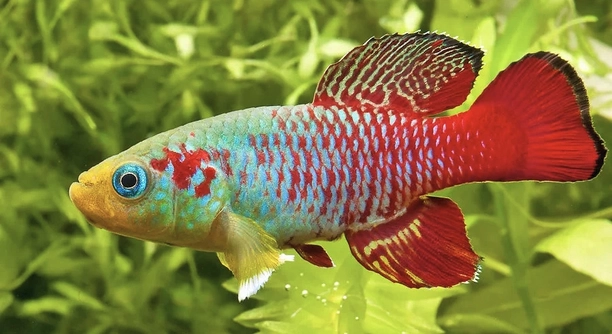
Killi fish are popular among aquarium enthusiasts for their vibrant colors and delicate appearance. Maintaining their bright hues can be challenging, especially without proper care. This article provides practical tips to help enhance and preserve their coloration effectively.
Improving killi fish coloration involves optimizing water quality, providing a balanced diet rich in natural pigments, ensuring adequate lighting, and maintaining proper tank conditions. These factors collectively promote healthier, more vivid colors in killi fish over time.
Understanding these methods will support both novice and experienced hobbyists in keeping their killi fish looking vibrant and healthy. The following points explain how small changes can make a noticeable difference.
Maintain Optimal Water Quality
Clean, stable water is essential for enhancing killi fish coloration. Poor water conditions stress the fish and dull their colors. Regular water changes remove toxins like ammonia and nitrites, which can harm the fish and fade their vibrancy. Testing water parameters such as pH, hardness, and temperature ensures the environment remains suitable for the species. Killi fish prefer slightly acidic to neutral water and moderate hardness. Keeping temperature steady between 22 to 26°C (72 to 79°F) supports their health and color intensity. Using a good filtration system helps maintain water clarity and reduces harmful waste buildup. Avoid overcrowding the tank, as it can increase waste and stress. Clean the tank decorations and substrate to prevent algae overgrowth, which can reduce light penetration and affect the fish’s appearance. A stable and clean aquatic environment allows killi fish to display their best coloration naturally.
Regular monitoring and water changes keep the environment healthy and the fish colorful.
Water quality directly impacts fish health and coloration. Maintaining balance reduces stress and supports vibrant colors for longer periods.
Provide a Balanced Diet Rich in Pigments
Feeding killi fish a variety of foods containing natural pigments like carotenoids is key to improving their color. Foods such as brine shrimp, bloodworms, and high-quality flakes or pellets fortified with color-enhancing ingredients supply essential nutrients. Fresh or frozen live foods stimulate natural hunting behavior and provide necessary vitamins. Including spirulina or algae-based supplements helps boost green and blue hues. Avoid overfeeding, as excess food pollutes the water and harms fish health. A balanced diet improves overall vitality and intensifies colors by supporting pigment cells. It is helpful to rotate food types to prevent nutritional deficiencies. Some foods contain astaxanthin, which enhances red and orange tones specifically. Feeding consistently and carefully observing how the fish respond to different foods will guide adjustments. Healthy fish on the right diet will show brighter, more vivid colors that make them stand out in any tank.
A nutritious diet enriched with natural pigments enhances and sustains vibrant killi fish colors.
Selecting the right foods supports their health and strengthens coloration, making each fish more visually striking.
Proper Lighting Conditions
Adequate lighting enhances killi fish coloration by stimulating pigment cells. Natural or full-spectrum LED lights work well, providing a balance that mimics their natural environment.
Too much light can stress the fish, while too little dulls their colors. Aim for about 8 to 10 hours of moderate lighting daily. Using timers helps maintain consistency. Lighting also supports the growth of live plants, which improve tank quality and provide hiding spots, reducing stress. Avoid placing the tank in direct sunlight to prevent overheating and algae blooms. Proper lighting ensures fish show their brightest colors and stay healthy over time.
Adjusting light intensity and duration based on fish response allows you to optimize their appearance without causing harm.
Stable Temperature and Tank Environment
Maintaining a stable temperature between 22 and 26°C is critical for killi fish color retention. Sudden fluctuations cause stress and reduce vibrancy.
A consistent environment includes hiding spots, plants, and gentle water flow. These elements reduce stress and encourage natural behavior, improving color expression. Sudden changes in temperature or water chemistry can weaken the fish’s immune system and cause fading. Monitoring the tank with a reliable thermometer prevents surprises. Stability over time strengthens pigment cells and supports overall health. Keeping the environment consistent benefits not only coloration but also longevity and breeding success. Ensuring comfortable living conditions promotes natural beauty and activity.
Stable temperature and a calm tank setting create ideal conditions for maintaining vivid coloration.
Avoid Overcrowding
Overcrowding increases stress and competition for resources, which dulls killi fish coloration. A spacious tank allows each fish to thrive and display their best colors.
Providing enough space reduces aggression and ensures better water quality by lowering waste buildup. This creates a healthier environment for vibrant fish.
Regular Tank Maintenance
Frequent cleaning and partial water changes prevent toxin buildup and algae growth. Keeping the tank clean supports fish health and color.
Removing uneaten food and debris also maintains water clarity, making the colors of killi fish more visible and striking in the aquarium.
Use of Live Plants
Live plants improve water quality by absorbing nitrates and providing natural cover. They create a calming environment that helps killi fish show better colors.
Plants also add contrast, highlighting the fish’s bright hues and making the tank look more natural and appealing.
Stress Reduction
Stress weakens immune systems and fades coloration. Minimizing sudden changes and providing hiding spots helps keep killi fish calm and colorful.
How often should I change the water to improve killi fish coloration?
Regular water changes are vital for maintaining clear, healthy water that supports vibrant colors. Changing about 20-30% of the water once every week is recommended. This frequency helps remove harmful toxins like ammonia and nitrites that accumulate over time. More frequent changes may be necessary if the tank is crowded or heavily stocked. Clean water reduces stress and supports overall fish health, which directly impacts their coloration. Always use dechlorinated water at the correct temperature to avoid shocking the fish during changes. Consistency in water maintenance is key to keeping killi fish colorful and healthy.
What types of food best enhance killi fish colors?
Foods rich in natural pigments such as carotenoids and astaxanthin improve killi fish coloration. Live or frozen foods like brine shrimp, bloodworms, and daphnia are excellent choices. These provide essential nutrients and stimulate natural hunting behaviors. High-quality flakes or pellets fortified with color-enhancing ingredients can also be included as part of a balanced diet. Spirulina and algae supplements help boost green and blue tones. Rotating food types prevents nutritional gaps and keeps the diet interesting for the fish. Avoid overfeeding, as leftover food can pollute the tank and harm water quality.
Can lighting affect the brightness of killi fish colors?
Yes, lighting plays a significant role in how vibrant killi fish appear. Moderate, full-spectrum lighting that mimics natural daylight enhances pigment visibility. About 8 to 10 hours of light per day is ideal. Too much intense light can stress fish and fade colors, while too little light dulls their appearance. Using timers to maintain consistent lighting schedules benefits fish health. Additionally, proper lighting supports live plant growth, which helps create a natural environment. Avoid placing tanks in direct sunlight to prevent temperature spikes and algae blooms.
What water parameters are best for maintaining killi fish coloration?
Killi fish thrive in slightly acidic to neutral water with a pH between 6.0 and 7.5. Water hardness should be moderate, generally between 5 to 15 dGH. Stable temperature in the range of 22 to 26°C (72 to 79°F) is crucial. Sudden changes in temperature, pH, or hardness cause stress and can dull coloration. Regular testing using aquarium kits ensures parameters stay within safe limits. Maintaining these conditions supports the fish’s immune system and promotes bright colors over time.
How does tank size affect killi fish coloration?
A properly sized tank reduces stress and allows fish to display their natural colors. Overcrowding leads to aggression, competition, and poor water quality, all of which fade coloration. Providing at least 10 gallons for a small group helps maintain healthy conditions. More space means better swimming room and less waste buildup. When fish feel comfortable and secure, their colors become more vivid. Additionally, spacious tanks allow for more plants and decorations, creating hiding spots that reduce stress.
Do live plants really improve killi fish coloration?
Live plants enhance water quality by absorbing nitrates and releasing oxygen. They provide natural hiding spots, which reduce stress and encourage natural behavior, both of which support better coloration. Plants also add contrast in the tank, making bright colors stand out more. Healthy plants contribute to a balanced ecosystem that benefits fish health overall. Including species like Java moss, Anubias, or floating plants is helpful in creating a stable environment.
How can stress be minimized to improve fish color?
Stress weakens immune function and dulls pigmentation. To minimize stress, avoid sudden changes in water conditions, temperature, or lighting. Provide plenty of hiding places using plants and decorations. Keep the tank in a quiet area with stable lighting schedules. Avoid overcrowding and aggressive tank mates. Handling fish only when necessary also helps reduce stress. A calm, stable environment promotes brighter coloration and healthier fish.
Is it necessary to use supplements for better coloration?
Supplements like spirulina, carotenoids, or astaxanthin can boost natural pigments in killi fish. These are helpful when dietary variety is limited or natural pigments in food are low. However, supplements should not replace a balanced diet. Use them occasionally to enhance colors without causing nutritional imbalance. Always follow product instructions to avoid overdosing, which can harm fish or water quality.
What signs indicate poor coloration due to health issues?
Faded or dull colors can be a sign of stress, illness, poor diet, or unsuitable water conditions. Additional signs include lethargy, loss of appetite, clamped fins, or abnormal swimming. If coloration suddenly changes, test water parameters and inspect fish for signs of disease. Prompt action is important to restore health and color. Maintaining good husbandry practices prevents these issues.
Can breeding affect coloration in killi fish?
Breeding pairs sometimes show brighter colors as a display during courtship. However, after spawning, stress or exhaustion may cause temporary fading. Proper care before, during, and after breeding supports recovery and coloration. Providing optimal water quality, diet, and minimal disturbance helps maintain colors throughout the breeding cycle. Selecting healthy, colorful broodstock also improves offspring coloration.
Improving the coloration of killi fish requires attention to several key factors that work together to create a healthy environment. Clean water, a balanced diet, proper lighting, and stable tank conditions are essential. Each of these elements supports the fish’s health, which in turn allows their natural colors to shine. Ignoring any one of these aspects can lead to dull colors and increased stress for the fish. Maintaining good water quality through regular changes and monitoring is a fundamental step. Along with a varied diet rich in natural pigments, these efforts help fish display their best appearance.
Lighting and tank environment also play important roles in color enhancement. Proper lighting should be moderate and consistent, providing enough brightness to bring out colors without causing stress. The tank should offer sufficient space, hiding places, and live plants, which create a calming setting and improve water conditions. Stable temperature and water parameters help reduce stress, keeping fish healthy and vibrant. Avoiding overcrowding and minimizing sudden changes in the tank environment further supports coloration by preventing stress-related fading.
Color improvement is not a quick fix but a process that requires patience and consistency. Changes in color happen gradually as the fish adjust to better conditions. Regular maintenance and careful observation allow for adjustments to diet, lighting, and tank setup as needed. Paying close attention to signs of stress or illness helps protect the fish and their coloration. Overall, a thoughtful approach to care will keep killi fish looking vibrant and healthy, making the aquarium a more enjoyable and attractive space.

Hello,
If you enjoy the content that we create, please consider saying a "Thank You!" by leaving a tip.
Every little bit helps us continue crafting quality advice that supports the health, happiness, and well-being of pets around the world, for pets of all shapes, sizes, and species.
We really appreciate the kindness and support that you show us!