
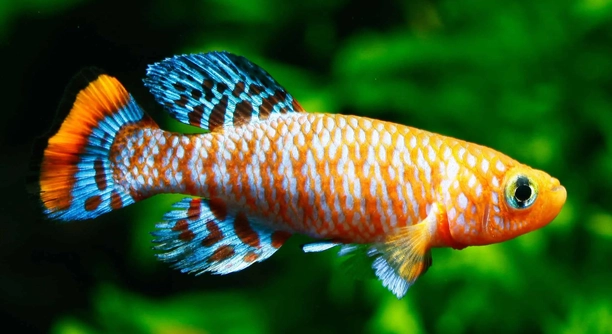
Is your killifish swimming in circles and leaving you a bit puzzled? Many fish owners notice this odd behavior and wonder what it might mean. Understanding these signs can help you care for your pet better and keep it healthy.
Swimming in circles often indicates an underlying issue such as swim bladder disorder, stress, poor water quality, or neurological problems. Identifying the cause early is crucial for effective treatment and improving the fish’s wellbeing.
Recognizing the reasons behind this behavior will help you take the right steps to support your killifish and create a healthier environment for it.
Common Causes of Circular Swimming in Killifish
Killifish swimming in circles is often linked to several key issues. One of the most frequent reasons is swim bladder disorder. This condition affects the fish’s buoyancy, making it difficult for them to swim straight. Poor water quality is another factor. High ammonia or nitrite levels can stress fish, leading to abnormal movements. Sometimes, infections or parasites affect the nervous system, causing disorientation. Stress from overcrowding or sudden changes in the tank environment can also contribute. Identifying the exact cause involves checking water parameters and observing other signs like lethargy or loss of appetite. Ensuring the tank is clean and stable is essential for your killifish’s health.
Addressing water quality is the easiest step to start fixing the problem. Clean water supports better fish health and reduces stress.
Observing your killifish closely helps you notice patterns and other symptoms. Recording water test results and behaviors can guide you when seeking advice or treatment. Early detection increases the chances of recovery and helps avoid long-term damage.
How to Improve Your Killifish’s Swimming Behavior
Improving your killifish’s swimming starts with creating a stable environment. Keeping the water clean and maintaining proper temperature and pH levels is vital. Use a reliable water test kit to monitor ammonia, nitrites, and nitrates regularly. Avoid sudden changes in water conditions, as killifish are sensitive to fluctuations. Feeding a balanced diet also supports their health and immune system.
If your fish continues swimming in circles despite these measures, it may need treatment. Medications for infections or parasites could be necessary, but only use them after proper diagnosis. Consulting with an aquatic veterinarian or experienced keeper can provide the best guidance. Patience and consistent care are key to helping your killifish regain normal swimming behavior.
Signs of Swim Bladder Disorder
Swim bladder disorder affects a fish’s ability to control buoyancy. Killifish may float uncontrollably, struggle to stay upright, or swim in tight circles.
This disorder can result from overfeeding, constipation, or bacterial infections. Overfeeding causes the stomach to press on the swim bladder, while infections can damage it. Constipation also leads to pressure inside the body. Stress and poor water conditions may worsen the problem. Keeping a proper feeding schedule and maintaining clean water helps prevent this. If symptoms appear, fasting the fish for a day or two and offering cooked, peeled peas can relieve constipation. In some cases, medication might be necessary.
Monitoring your killifish’s diet and environment closely can reduce swim bladder issues. Small changes in care can make a big difference in their swimming behavior and overall health.
Stress and Environmental Factors
Stress in killifish often shows through abnormal swimming, including circling. Causes include overcrowding, aggressive tank mates, or sudden changes in water temperature and chemistry. These stressors disrupt normal behavior and weaken the immune system.
Creating a peaceful tank environment involves providing enough space, compatible companions, and stable water conditions. Avoid drastic changes in lighting or decorations that can startle the fish. Regular water testing and partial water changes help maintain a healthy habitat. Reducing noise and vibrations near the tank also lowers stress. Stress management supports your killifish’s recovery and helps prevent further issues, keeping them active and calm in their environment.
Water Quality Issues
Poor water quality is a common reason killifish swim in circles. High levels of ammonia, nitrites, or nitrates can irritate their gills and nervous system, causing disorientation. Regular testing and maintenance are essential.
Changing the water frequently and avoiding overcrowding help keep conditions safe. Using a good filtration system supports stable water parameters, which your killifish need to thrive.
Parasites and Infections
Parasites and bacterial infections can affect a killifish’s brain or nervous system, leading to unusual swimming patterns like circling. Signs often include clamped fins, discoloration, or lethargy alongside the circling behavior. Treatment with appropriate medication after diagnosis is important to prevent worsening conditions.
Tank Setup Adjustments
Adjusting the tank setup can reduce stress and improve swimming behavior. Provide hiding spots and gentle water flow to mimic natural conditions, helping your killifish feel secure and comfortable.
Why is my killifish swimming in circles suddenly?
Sudden circling behavior usually points to an acute problem such as swim bladder disorder, stress, or a sudden change in water quality. If you recently added new fish, changed the tank setup, or had water parameter fluctuations, these can shock your killifish. Illnesses like infections or parasites can also appear quickly, causing disorientation. Checking water quality first and observing other symptoms can help identify the cause early.
Can poor water quality cause my killifish to swim in circles?
Yes, poor water quality is a major factor. High ammonia, nitrites, or nitrate levels irritate the fish’s gills and nervous system. This can lead to erratic swimming, including circling. Maintaining clean water with regular partial changes and proper filtration is crucial for killifish health.
How can I test for water quality problems?
Use an aquarium test kit to check ammonia, nitrite, nitrate, pH, and temperature levels. Test the water weekly or more often if you notice unusual fish behavior. Keep ammonia and nitrites at zero, nitrates below 20 ppm, and stable pH suitable for killifish species.
Is swim bladder disorder treatable in killifish?
Often, yes. Swim bladder disorder can be caused by constipation, infection, or injury. Fasting your fish for one or two days and feeding a peeled, cooked pea can help with constipation. If infection is suspected, proper antibiotic treatment may be necessary. Always diagnose carefully before medicating.
What causes swim bladder disorder?
Common causes include overfeeding, poor diet, bacterial infection, or physical injury. Overfeeding leads to digestive issues that press on the swim bladder. Infections can inflame internal organs, disrupting buoyancy. Injuries from rough handling or tank decorations may also damage the swim bladder.
How do I reduce stress for my killifish?
Keep tank conditions stable: maintain temperature, water quality, and lighting. Avoid overcrowding and aggressive tank mates. Provide hiding spots like plants or caves. Minimize loud noises and sudden movements near the tank. Stress weakens the immune system and can cause erratic swimming.
Can parasites cause circling swimming?
Yes, parasites can affect a fish’s nervous system or overall health, causing disorientation and abnormal swimming. Look for additional signs like flashing (rubbing against surfaces), clamped fins, or visible spots. Treat with proper antiparasitic medications after diagnosis.
Should I isolate my killifish if it swims in circles?
Isolating sick fish in a quarantine tank is often helpful to prevent disease spread and provide focused treatment. It also reduces stress from other tank mates. Use similar water parameters in quarantine to avoid further shock.
Can diet affect swimming behavior?
A poor diet can lead to digestive issues like constipation, which in turn causes swim bladder problems. Feeding high-quality, varied food and avoiding overfeeding supports proper digestion and buoyancy.
How long does it take for a killifish to recover from swim bladder disorder?
Recovery time varies depending on the cause. Mild constipation may improve within a few days with fasting and diet changes. Infections or serious conditions might take longer, requiring medication and careful monitoring.
When should I see a professional?
If your killifish continues to swim in circles after improving water quality and adjusting diet, or if other symptoms like loss of appetite, lethargy, or physical changes appear, consult an aquatic veterinarian or experienced specialist.
Can tank decorations cause swimming problems?
Sharp or rough decorations can injure fish, leading to erratic swimming. Overcrowded tanks may stress fish and limit natural movement. Provide smooth, safe decorations and enough space to swim freely.
Is circling behavior always a sign of illness?
Not always. Sometimes, circling can be a response to excitement, mating behavior, or exploration. However, if it’s constant or accompanied by other symptoms, it usually indicates a problem needing attention.
How can I prevent circling behavior in my killifish?
Maintain good water quality, stable tank conditions, proper diet, and low stress levels. Regular monitoring and prompt action when you notice unusual behavior are key to prevention.
Does temperature affect killifish swimming?
Yes, sudden temperature changes can shock killifish and affect their swimming. Keep the tank within the recommended range for your species and avoid rapid fluctuations. Consistent temperature supports healthy behavior.
What water parameters are best for killifish?
Most killifish prefer slightly acidic to neutral pH (6.0–7.5), temperature between 72–78°F (22–26°C), and low ammonia and nitrites. Stable conditions promote normal swimming and overall health.
Can circling be caused by neurological damage?
Yes, neurological damage from infections, parasites, or injury can cause loss of balance and circling behavior. This is more serious and may require veterinary care and treatment.
Is it normal for killifish to swim in circles sometimes?
Occasionally, yes. Some killifish swim in tight areas or near surfaces, especially when exploring or courting. Persistent or frantic circling, however, signals a problem.
How do I keep my killifish happy and healthy?
Provide a clean tank with stable conditions, a varied diet, enough space, and peaceful tank mates. Regular observation helps catch early signs of issues like circling behavior. Consistent care makes a big difference.
Can medication harm my killifish?
Improper use of medication can harm fish or worsen water quality. Always follow instructions carefully and only medicate when needed after proper diagnosis. Using a quarantine tank helps protect your main aquarium.
When your killifish starts swimming in circles, it can be a sign that something in its environment or health needs attention. Many causes could lead to this behavior, from water quality problems to stress or illness. Paying close attention to your fish’s behavior and tank conditions helps you understand what might be wrong. Keeping the water clean and stable is one of the easiest and most important steps to prevent issues. Regular water testing and partial water changes can improve the quality and comfort of your killifish’s home. A healthy environment supports your fish’s natural behavior and reduces the chances of swimming problems.
Diet also plays an important role in your killifish’s well-being. Overfeeding or poor-quality food can lead to digestive problems, which sometimes affect swimming. Feeding your killifish a balanced diet in proper amounts helps avoid constipation and swim bladder issues. Sometimes, simple changes like fasting for a day or offering a cooked pea can relieve mild digestive problems. However, if you notice that your killifish continues swimming in circles despite improving water and diet, it may need further care. Infections, parasites, or injuries might require medication or professional advice to help your fish recover.
Stress is another common cause of unusual swimming behavior. Changes in the tank, such as adding new fish or decorations, can upset your killifish. Overcrowding or aggressive tank mates can also increase stress. Reducing these stressors by creating a calm, stable environment with hiding places and proper tank mates will help your killifish feel safe. Consistent care and observation allow you to catch problems early and respond quickly. With patience and attention, you can help your killifish return to healthy, normal swimming and enjoy a better quality of life in your aquarium.

Hello,
If you enjoy the content that we create, please consider saying a "Thank You!" by leaving a tip.
Every little bit helps us continue crafting quality advice that supports the health, happiness, and well-being of pets around the world, for pets of all shapes, sizes, and species.
We really appreciate the kindness and support that you show us!