
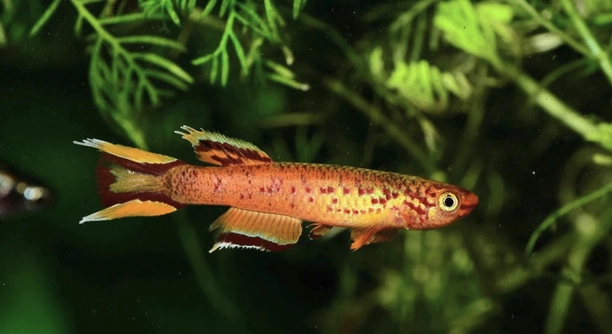
Do you ever wonder how killi fish behave when kept alone in a tank? Many fish owners are curious about whether these small, colorful fish feel lonely without companions. Understanding their social needs can help create a better environment for them.
Killi fish do not experience loneliness the way mammals do, as they are solitary by nature. They can live comfortably without tankmates but may benefit from company in larger, well-planted tanks to reduce stress and encourage natural behavior.
Knowing the social habits of killi fish helps ensure their well-being and can improve your experience as an owner. This article will explore what killi fish need to thrive in captivity.
Killi Fish Behavior and Social Needs
Killi fish are known for being independent and often prefer their own space. Unlike schooling fish, they don’t naturally swim in groups or rely on companions for comfort. In the wild, many species of killi fish live solitary lives in small, confined areas like puddles or shallow streams. This environment encourages them to be territorial and cautious of others. When kept in a tank, they usually do well alone as long as their space mimics their natural habitat. Having plenty of hiding spots like plants and decorations helps reduce stress. While they don’t need tankmates to be happy, some killi fish can tolerate others if the tank is large enough and territories are well defined. Overcrowding or placing incompatible fish together can cause aggression and stress. Understanding these traits makes it easier to care for them properly and keep them healthy in captivity.
Killi fish are not naturally social but may tolerate others in spacious environments with hiding places.
Even if killi fish can live alone, providing a well-structured tank with plants and hiding spots improves their well-being. These fish appreciate calm surroundings and can show more natural behaviors when stress is minimized. If you do add tankmates, choosing peaceful species and giving plenty of room is essential. This prevents fights and ensures the fish remain comfortable. Observing how your killi fish reacts will guide whether they need solitude or company. Each fish has its own personality, and some might enjoy the presence of others while some prefer solitude. Taking these factors into account will help you create the best habitat for your killi fish to thrive.
Signs of Stress in Solitary Killi Fish
Killi fish show stress through behaviors such as hiding excessively, losing color, or refusing food. These signs mean the environment might not be meeting their needs. Stress can come from poor water quality, sudden changes, or unsuitable tank mates. It’s important to watch for these signs to keep your fish healthy.
Stress often arises from crowded tanks or aggressive companions, which killi fish find threatening.
When killi fish feel stressed, their immune system weakens, making them prone to illness. Providing a quiet, stable tank with proper filtration and water parameters reduces stress levels. Keeping the tank clean and avoiding sudden movements around it also helps maintain calm. If you notice your fish acting withdrawn or aggressive, check if the tank setup matches their natural preferences. Removing aggressive fish or separating individuals can improve their condition. Stress management is a key part of caring for killi fish, especially since they are sensitive to changes in their environment. Keeping conditions stable and tailored to their solitary nature will promote better health and longer life for your fish.
Choosing Tankmates for Killi Fish
Killi fish prefer calm, non-aggressive tankmates that won’t compete for territory. Avoid large or fast-moving fish that might stress them out. Small, peaceful species are the best options for cohabitation.
When selecting tankmates, consider the size and temperament of both species. Killi fish are small and can be shy, so tankmates should not overshadow or bully them. Suitable companions include small tetras, rasboras, or peaceful shrimp. It is important that the tank is spacious enough to allow each fish its own space and hiding spots. This reduces chances of aggression and stress. Tankmates should also thrive in similar water conditions, such as temperature and pH, to keep the environment stable for everyone.
It’s also wise to monitor interactions carefully when introducing new fish. Watch for signs of stress or bullying and be ready to separate fish if needed. Adding tankmates gradually helps killi fish adjust better, preventing sudden changes that can cause distress.
Tank Setup for a Happy Killi Fish
A well-planted tank with plenty of hiding places suits killi fish perfectly. Dense vegetation and leaf litter mimic their natural habitat, making them feel secure. Soft substrate and gentle water flow also help reduce stress.
Plants such as java moss, floating plants, and dense grasses create excellent cover. These areas provide shelter and resting spots, which encourage natural behaviors like hunting and exploring. A peaceful, quiet environment is key because killi fish are sensitive to loud noises and sudden movements around the tank. Keeping the water clean with regular maintenance ensures good health. A stable temperature between 72-78°F and slightly acidic to neutral pH is ideal for most killi species. Proper lighting that is not too bright helps prevent stress and keeps plants healthy. The tank should be covered since killi fish are known jumpers. Overall, the setup should focus on creating a calm, natural atmosphere that supports their solitary nature.
Feeding Habits of Killi Fish
Killi fish eat small live or frozen foods like brine shrimp and daphnia. They also accept high-quality flakes or pellets but prefer protein-rich diets. Feeding small amounts twice daily works best.
Overfeeding can cause water quality issues, so it’s important to remove uneaten food promptly. A varied diet keeps killi fish healthy and vibrant.
Breeding Killi Fish in Community Tanks
Breeding killi fish in community tanks is possible but challenging. Males can be territorial and may harm other fish during spawning. Providing plenty of plants and hiding spots helps protect both parents and fry. Separate breeding tanks are often recommended for better success.
Killi Fish and Tank Size
A minimum tank size of 10 gallons is recommended for one killi fish. Larger tanks reduce stress and provide room for swimming and hiding.
Signs Your Killi Fish Needs Attention
Changes in behavior, such as lethargy or loss of appetite, signal that your killi fish may need care or a better environment.
What tankmates are best for killi fish?
Killi fish do best with peaceful, small tankmates that won’t compete aggressively for space. Suitable companions include small tetras, rasboras, and shrimp. Avoid fast, large, or aggressive species since they can stress or harm your killi fish. Make sure the tank is spacious enough with plenty of hiding spots to reduce tension. Also, ensure that the water conditions suit all species in the tank for harmony.
Can killi fish live alone without problems?
Yes, killi fish are naturally solitary and can live happily alone. They don’t get lonely in the way mammals might. Their wild habitats are often isolated, and they are adapted to living without companions. However, having a tank setup that mimics their natural environment with plants and hiding places is important for their comfort and stress reduction. If the tank is small or empty, they might become bored or stressed, so enrichment is key.
How do I know if my killi fish is stressed?
Signs of stress include hiding more than usual, dull coloration, rapid breathing, and refusal to eat. Stress can come from poor water quality, aggressive tankmates, or inadequate hiding spots. If you notice these signs, check water parameters like temperature, pH, and cleanliness. Removing aggressive fish or improving tank decor can help your killi fish feel safer and more relaxed.
What is the ideal tank setup for killi fish?
A tank with dense plants, soft substrate, and calm water flow works best. Killi fish enjoy plenty of hiding spots made from plants, rocks, or decorations. Temperature should be stable between 72-78°F, with slightly acidic to neutral pH. Keep lighting gentle, as bright lights can cause stress. Since killi fish are jumpers, a tight-fitting lid is essential.
How often should I feed my killi fish?
Feed your killi fish small amounts twice daily. Offer protein-rich foods like live or frozen brine shrimp, daphnia, or bloodworms. High-quality flakes or pellets designed for carnivorous fish are also acceptable. Avoid overfeeding, as leftover food can harm water quality and lead to health problems.
Can killi fish breed in a community tank?
Breeding in a community tank is difficult because males become territorial and may harm other fish or fry. If breeding is a goal, it’s better to use a separate breeding tank with plenty of plants for hiding. This reduces stress and increases survival rates for the young fish.
How big should the tank be for killi fish?
A minimum of 10 gallons is recommended for one killi fish. Larger tanks allow for more natural swimming space and room for plants and hiding places. Bigger tanks also make maintaining water quality easier, which helps keep your fish healthy and stress-free.
Do killi fish recognize their owners?
While killi fish do not recognize humans like pets such as dogs or cats, they can become familiar with your presence. They may respond to feeding time or movements near the tank but won’t form social bonds. Their awareness is mostly based on routine and safety rather than affection.
What should I do if my killi fish becomes aggressive?
Aggression is usually linked to stress, overcrowding, or territorial disputes. To reduce aggression, provide more space, increase hiding spots, or separate aggressive individuals. Make sure tankmates are peaceful and compatible. Sometimes adjusting water conditions can also help calm aggressive behavior.
Is it necessary to have a heater in the killi fish tank?
Most killi fish do best in tropical or subtropical temperatures, so a heater is usually needed to maintain a stable range between 72-78°F. Fluctuations in temperature can cause stress and illness. Choose a reliable heater with a thermostat to keep conditions steady. Some species from cooler climates may tolerate lower temperatures but still benefit from controlled warmth.
Killi fish are unique creatures with simple but specific needs. They are naturally solitary and do not require tankmates to feel comfortable or happy. Understanding this helps when setting up their tank and choosing companions, if any. Providing a quiet and well-structured environment that resembles their natural habitat is important for their health. Plants, hiding spots, and calm water conditions help reduce stress. While killi fish can tolerate some company, they thrive best in tanks where their space and boundaries are respected. Knowing this makes it easier to care for them properly and avoid common problems.
Taking care of killi fish means paying attention to their behavior and environment. Signs of stress like hiding, loss of color, or not eating should never be ignored. These signs usually mean that something in their tank needs to change. It could be water quality, tankmates, or even the tank setup itself. Keeping the water clean, feeding a varied diet, and providing enough room are key parts of maintaining their well-being. Watching how they behave day-to-day can help catch issues early and keep your fish healthy for longer.
Ultimately, killi fish make interesting and rewarding pets if their needs are met. They don’t need companionship like other fish might, but they do need a peaceful home. Choosing the right tank size, suitable tankmates, and creating an environment rich in plants and hiding spaces will encourage natural behavior and reduce stress. Caring for killi fish means respecting their solitary nature while offering comfort. This balance helps ensure your killi fish live a happy and healthy life.

Hello,
If you enjoy the content that we create, please consider saying a "Thank You!" by leaving a tip.
Every little bit helps us continue crafting quality advice that supports the health, happiness, and well-being of pets around the world, for pets of all shapes, sizes, and species.
We really appreciate the kindness and support that you show us!