
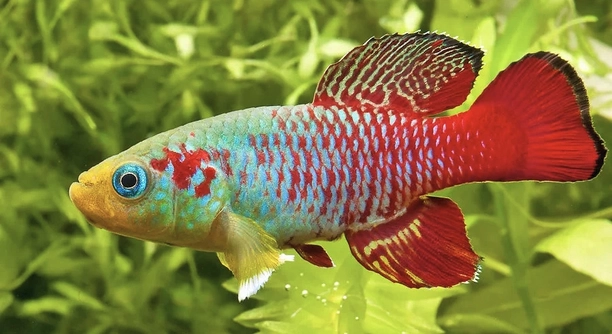
Killi fish are small, colorful freshwater fish popular in home aquariums. Their lively behavior and unique patterns make them a favorite among many fish enthusiasts. Understanding their interaction with tank decorations is important for their care.
Killi fish can occasionally get stuck in aquarium decorations if spaces are too tight or sharp edges are present. Properly selecting and arranging decorations with smooth surfaces and ample room reduces the risk of injury or entrapment for these agile fish.
Knowing how to safely decorate your tank ensures a healthy environment for killi fish. This article explores the best practices to prevent common issues with decorations.
How Killi Fish Navigate Decorations
Killi fish are naturally curious and active swimmers. In their natural habitat, they maneuver through dense plants and small crevices. In an aquarium, decorations can mimic this environment but need to be chosen carefully. Decorations with narrow gaps or sharp edges can trap or injure killi fish, especially smaller or younger ones. Smooth, rounded objects with enough space to swim freely help reduce stress and prevent accidents. Floating plants or soft materials are often better options because they offer hiding places without the risk of getting stuck. Proper arrangement also matters. Avoid placing decorations too close together, as tight spaces increase the chances of fish getting caught. Observing your killi fish regularly will help you notice if they seem hesitant or trapped near any decoration. Adjusting the tank setup based on their behavior keeps the aquarium safe and comfortable.
Providing a safe space with well-spaced decorations ensures your killi fish can explore without risk.
Regular checks on tank layout can prevent many common problems with fish getting stuck.
Common Decorations to Avoid
Sharp or jagged decorations are risky for killi fish. They can cause cuts or snag fins. Decorations with tiny holes or narrow openings also increase the chance of fish getting stuck. Plastic plants with hard stems or rough edges may look attractive but are not always safe. Avoid ornaments with complicated shapes where a small fish might become trapped or stressed. Smooth rocks, driftwood, or soft plants are better alternatives because they offer safe hiding spots. It’s important to clean decorations regularly to prevent buildup of algae or debris, which can shrink openings or create hazards. Watching your fish interact with the tank setup will help identify any problem areas. Removing or rearranging decorations that cause hesitation or injury keeps the environment healthy. The goal is to balance aesthetics with safety, allowing your killi fish to swim freely and stay safe in their habitat.
Preventing Killi Fish from Getting Stuck
Ensuring your tank decorations are safe is the first step in preventing killi fish from getting stuck. Proper spacing and choosing smooth materials can make a big difference.
Placing decorations with enough room for swimming reduces risks. Avoid overcrowding the tank with too many objects, as this limits space and increases chances of entrapment. Regularly inspect decorations for damage or sharp edges that may develop over time. Replacing unsafe items keeps the environment secure. Introducing live plants or soft materials provides natural hiding spots without tight gaps. Monitoring your fish’s behavior helps catch any issues early before injuries occur. Adjusting tank setup based on what you observe can prevent accidents.
Careful tank design tailored to your killi fish’s needs ensures they stay active and unharmed. Small changes can lead to a much safer aquarium habitat.
Signs Your Killi Fish May Be Stuck
Fish that get stuck often show signs of distress or unusual behavior. They may appear sluggish or try to wiggle out of narrow spaces. You might notice torn fins, scratches, or missing scales near decorations. Sometimes fish stay hidden longer than usual or avoid certain areas of the tank. Watching these behaviors closely helps identify problems early.
If your fish seems stuck, gently checking the tank layout is necessary. Removing or rearranging decorations with tight gaps can free trapped fish and prevent future incidents. Being attentive to changes in your fish’s movement or health protects their well-being. Timely action can reduce stress and injury, supporting a healthier, happier aquarium environment for your killi fish.
Safe Decoration Materials
Choosing soft, smooth decorations lowers the risk of injury. Materials like natural driftwood and live plants offer safe hiding spots. Avoid rough plastics or sharp rocks that can harm killi fish.
Regularly checking decorations for wear or damage keeps the tank environment secure and comfortable for your fish.
How Tank Size Affects Safety
A larger tank provides more swimming space and reduces the chance of fish getting trapped. Crowded tanks increase stress and injury risk. Providing open areas alongside decorations lets killi fish move freely. A well-planned tank layout balances decoration with ample swimming room, improving fish health and activity levels.
Monitoring Fish Health
Regular observation helps catch signs of injury early. Prompt action keeps killi fish safe and comfortable.
FAQ
Can killi fish get stuck in aquarium filters?
Yes, killi fish can sometimes get caught in aquarium filters if the openings are large enough for them to enter. This is more common with small or young fish. To prevent this, use filter covers or guards that block access to the intake areas. Regularly checking the filter ensures no fish are trapped or injured.
Are certain decorations safer than others for killi fish?
Decorations made from natural materials like driftwood and smooth river rocks tend to be safer. Live plants also provide safe hiding spots. Avoid decorations with sharp edges, narrow holes, or complicated shapes that can trap fish. Soft, flexible plants or broad-leafed species offer protection without risk.
How can I tell if my killi fish is stuck?
Signs include unusual swimming behavior such as struggling or staying in one spot for too long. Look for physical signs like torn fins, missing scales, or scratches. Fish may also hide more than usual or avoid certain areas near decorations. Early observation helps prevent serious injury.
What should I do if my killi fish gets stuck?
Gently remove or rearrange the decorations causing the problem. If the fish is visibly trapped, carefully freeing it with minimal stress is necessary. After rescue, monitor the fish for any injuries and provide a calm environment to recover. Adjust the tank setup to avoid future incidents.
Is overcrowding the tank a risk factor?
Yes, overcrowding limits swimming space and increases stress. Fish may try to squeeze into small spaces or get trapped between decorations. Maintain a proper fish-to-tank size ratio and avoid adding too many decorations. This creates a safer, more comfortable environment for your killi fish.
Can live plants help reduce the risk of fish getting stuck?
Live plants usually have soft leaves and flexible stems, which create natural hiding places without dangerous gaps. They also improve water quality and reduce stress. Adding live plants can be a safer way to decorate your tank compared to hard plastic or artificial items with sharp edges.
How often should I inspect my tank decorations?
Inspect decorations regularly, at least once a month. Look for broken parts, sharp edges, or changes caused by algae or debris buildup. Keeping decorations clean and intact reduces the chance of injury. Early maintenance helps keep your aquarium safe for killi fish.
Do juvenile killi fish get stuck more often than adults?
Yes, younger and smaller killi fish are more prone to getting stuck because they can fit into tighter spaces. As they grow, their risk decreases. Extra care with tank setup is important when keeping juveniles to prevent accidents and injuries.
What types of tank layouts are best for killi fish safety?
Open layouts with plenty of swimming space and well-spaced decorations work best. Avoid overcrowding and create clear swimming paths. Use smooth, rounded objects and live plants to offer shelter without tight gaps. Balanced layouts reduce stress and keep fish safe.
Can rough gravel or substrate cause problems?
Rough or sharp gravel may cause minor injuries but is less likely to trap fish. However, very coarse substrate can make it harder for fish to swim close to the bottom safely. Using smooth, fine gravel or sand is a better choice for killi fish tanks. It also makes cleaning easier and reduces injury risk.
Is it normal for killi fish to hide in decorations for long periods?
Killi fish naturally like to hide sometimes, especially if stressed or resting. However, if hiding is excessive or combined with signs of injury, it may indicate a problem with the tank layout or decoration. Monitoring behavior helps ensure the environment is safe and comfortable.
How can I safely introduce new decorations?
Before adding new decorations, clean and inspect them carefully. Make sure there are no sharp edges or tight spaces. Introduce one item at a time and observe your fish’s reaction. Rearrange decorations if you notice hesitation or signs of stress. A gradual introduction reduces risks and helps fish adjust.
Do killi fish prefer certain types of hiding spots?
They tend to prefer low-light, secure areas like under plants or behind smooth objects. They avoid tight or sharp spaces. Providing natural shelters such as broad leaves or driftwood offers comfort without risk. Understanding their preferences improves tank safety and fish well-being.
Can decorations change over time to become unsafe?
Yes, decorations can degrade, break, or develop sharp edges over time, especially plastic or cheaper materials. Algae buildup can also narrow openings or create sticky surfaces. Regular cleaning and replacing worn items maintain a safe environment for your killi fish.
Are there any DIY decoration ideas safe for killi fish?
Yes, natural materials like clean stones, driftwood, or aquarium-safe plants can be used. Avoid using household items unless specifically designed for aquariums. Smooth edges and open spaces are key. Testing any DIY decoration before adding it to the tank ensures safety for your fish.
Should I separate injured fish from the main tank?
Separating injured fish into a quarantine tank helps them recover without stress or further injury. It also prevents the spread of potential infections. Provide clean water, gentle filtration, and minimal decorations during recovery. Once healed, they can safely return to the main tank.
Can killi fish escape through decoration openings?
It is rare, but possible if decorations create narrow tunnels or openings near the water surface. Make sure all decorations are stable and do not create escape routes. Secure tank lids and proper arrangement help keep fish safely inside the aquarium.
What role does water flow play in decoration safety?
Strong currents near decorations with narrow gaps can push fish into tight spots, increasing injury risk. Gentle water flow with balanced filtration is better. Positioning filters away from decorations reduces this risk. Proper water circulation also improves overall tank health.
Are plastic plants safer than real plants?
Plastic plants vary in safety. Some have sharp edges or hard stems that can injure fish. Real plants are generally softer and offer better hiding spots. However, some plastic plants are made smooth and safe. Always inspect and choose plastic plants carefully before adding them to the tank.
How can I encourage my killi fish to use decorations safely?
Providing familiar, safe hiding spots helps. Avoid overcrowding and keep decorations stable. Gradual introduction and observing their behavior allow adjustments if any areas cause hesitation. Comfortable, open spaces encourage natural swimming and reduce the chance of getting stuck.
When caring for killi fish, the safety of their environment is very important. Decorations can add beauty and comfort to the aquarium, but they also need to be chosen carefully to prevent any harm. Killi fish are small and active, so tight spaces or sharp edges in decorations can cause them to get stuck or injured. It is best to select smooth, rounded decorations that offer plenty of space for swimming and hiding without the risk of trapping the fish. Regularly checking and maintaining the tank decorations helps keep the environment safe and comfortable for your fish.
Creating a well-balanced tank setup is key to preventing problems. Overcrowding the aquarium with too many decorations reduces the swimming area and raises the chance of fish getting caught. Open layouts with live plants or soft materials provide natural hiding spots and improve water quality. Observing your killi fish’s behavior gives valuable insight into how they interact with the tank. If you notice any signs of distress or injury, adjusting the decoration arrangement can help avoid future issues. Being attentive and proactive ensures a healthier and happier home for your killi fish.
Taking time to understand your fish’s needs and preferences allows you to create a safe and enjoyable habitat. Safe decoration choices, proper spacing, and routine inspection form the foundation of good aquarium care. These efforts reduce risks and promote natural behaviors, making your killi fish thrive. While accidents can happen, careful planning and regular monitoring greatly minimize dangers related to decorations. This attention to detail not only protects your fish but also enhances the overall aquarium experience.

Hello,
If you enjoy the content that we create, please consider saying a "Thank You!" by leaving a tip.
Every little bit helps us continue crafting quality advice that supports the health, happiness, and well-being of pets around the world, for pets of all shapes, sizes, and species.
We really appreciate the kindness and support that you show us!