
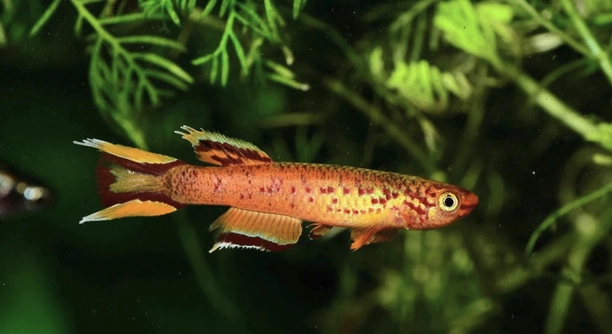
Killi fish are popular aquarium pets known for their vibrant colors and lively behavior. Many hobbyists want to create the best environment to keep them healthy and comfortable. Choosing the right tank size and shape is an important part of this care.
Killi fish generally prefer longer tanks over taller ones because they are surface swimmers who need horizontal space to explore and establish territories. A long tank better mimics their natural habitat, allowing for more swimming room near the water surface and reducing stress.
Understanding tank preferences can improve the well-being of your killi fish and help you create a more suitable aquatic home for them. This article will explain the benefits of tank shapes and sizes for these unique fish.
Why Tank Shape Matters for Killi Fish
The shape of the tank plays a crucial role in the comfort and health of killi fish. These fish tend to swim near the surface, so a longer tank provides more horizontal space for them to move freely. Tall tanks, while deeper, limit their swimming area along the surface and can create a sense of confinement. A long tank also offers better surface area for oxygen exchange, which is important for the well-being of killi fish. Additionally, a longer tank allows for more decorations like plants and hiding spots placed along the length, helping to mimic their natural environment. Proper tank shape supports their natural behavior, reducing stress and promoting active swimming. This makes it easier to observe their colors and behaviors without feeling cramped. Choosing a tank with appropriate dimensions is a simple step that significantly improves the living conditions for killi fish.
Tank shape directly impacts water quality and fish comfort, making the right choice essential for long-term care.
A longer tank balances swimming space and surface area for oxygen. This helps killi fish stay healthy and active while encouraging natural behavior patterns in an environment that suits them best.
Recommended Tank Dimensions for Killi Fish
For optimal care, a tank length of at least 24 inches with a standard width is ideal. Killi fish do not require very deep tanks; about 12 to 16 inches in height is sufficient. This setup provides enough room for them to swim comfortably near the surface while allowing room for decorations and plants. The larger surface area promotes better oxygen exchange, which is important since killi fish live near the water’s surface in nature. Narrow or tall tanks restrict movement and can increase stress levels. Tanks wider than 12 inches also allow for better swimming lanes and a more natural layout of plants and hiding places. A long and shallow tank replicates the shallow pools and streams killi fish prefer, making it easier to maintain stable water conditions and temperature. This setup supports their natural habits and overall well-being in captivity.
Tank Setup Tips for Killi Fish
Proper tank setup is essential to keep killi fish healthy and happy. Focus on creating a natural environment that matches their needs.
Use gentle filtration to avoid strong currents, as killi fish prefer calm water. Add floating plants to provide shade and reduce light intensity, mimicking their natural habitat. Soft substrates and plenty of hiding spots with plants or decorations help reduce stress and encourage natural behavior. Maintain stable water conditions with regular testing and changes. Keep water temperature between 72°F and 78°F, suitable for most killi fish species. Avoid overcrowding by limiting the number of fish according to tank size. These steps promote a comfortable and safe environment, supporting their activity and coloration.
A gentle filter keeps water clean without stressing the fish. Floating plants and soft substrate enhance their sense of security and allow natural exploration.
Hiding spots throughout the tank reduce aggression and stress by giving killi fish places to retreat. Stable water temperature and quality prevent illness and support long-term health.
Feeding and Social Behavior
Killi fish are mostly surface feeders that enjoy live or frozen foods such as brine shrimp, daphnia, and bloodworms. They require a varied diet to stay healthy and vibrant. Feed small amounts once or twice daily to prevent overfeeding and water pollution. Observe their behavior during feeding to ensure all fish get enough food, as some can be shy.
Killi fish can be territorial, especially males. It’s best to keep them in species-only tanks or with compatible peaceful fish. Providing plenty of plants and hiding places helps reduce aggression. Some species prefer solitary living, while others tolerate small groups. Monitoring social interactions is important to prevent stress and injury. Adjust the tank population based on behavior to maintain harmony. Proper feeding and social management ensure a balanced environment that promotes the well-being of killi fish in captivity.
Lighting Preferences for Killi Fish
Killi fish thrive under moderate lighting that mimics their natural shaded habitats. Too much bright light can stress them and cause hiding behavior.
Using floating plants helps diffuse light and create soft, dappled shadows. This provides comfort and encourages natural activity during the day.
Water Parameters to Maintain
Stable water parameters are critical for killi fish health. They prefer slightly acidic to neutral pH, typically between 6.0 and 7.0. Temperature should be kept steady between 72°F and 78°F. Regular water changes help maintain water quality and reduce harmful toxins. Soft to moderately hard water is ideal, with low levels of nitrates and ammonia. Frequent testing ensures the environment remains within these parameters, preventing stress and disease. Consistency in water conditions supports their well-being and vibrant colors.
Breeding Considerations
Killi fish are egg scatterers and often lay eggs on plants or spawning mops. Separate breeding tanks improve survival rates of fry.
Common Health Issues
Killi fish are prone to common freshwater diseases like ich and fungal infections. Early detection and treatment are important to prevent outbreaks.
FAQ
What size tank is best for killi fish?
A tank at least 24 inches long is recommended to give killi fish enough horizontal swimming space. The height should be moderate, about 12 to 16 inches, as they prefer surface swimming. This size supports their natural behavior and helps maintain stable water conditions.
Can killi fish live in tall tanks?
Killi fish can live in tall tanks, but they are not ideal. Tall tanks reduce the horizontal space near the surface where killi fish spend most of their time. This can stress them and limit their movement. Longer tanks are preferred for their comfort and natural activity.
How many killi fish can I keep in one tank?
Keep one pair or a small group in tanks smaller than 20 gallons to avoid overcrowding. For larger tanks, more fish can be added, but avoid crowding to reduce aggression. Providing hiding spots helps reduce territorial behavior among males.
What type of filtration is suitable for killi fish?
Use gentle filtration with low water flow to prevent stressing the fish. Sponge filters or adjustable filters work well because they clean the water without creating strong currents that killi fish dislike.
What water temperature do killi fish need?
Killi fish thrive in temperatures between 72°F and 78°F. Maintaining a stable temperature within this range helps prevent stress and supports good health. Use a reliable heater and thermometer to monitor water temperature.
Are killi fish aggressive?
Some species show territorial behavior, especially males. Providing enough space, hiding spots, and keeping a balanced male-to-female ratio helps reduce aggression. Observing their behavior regularly can prevent conflicts.
What do killi fish eat?
Killi fish mainly eat live or frozen foods like brine shrimp, daphnia, and bloodworms. Offering a variety of foods ensures good nutrition and vibrant coloration. Avoid overfeeding to keep water clean and fish healthy.
How often should I feed killi fish?
Feed small amounts once or twice daily. This schedule prevents uneaten food from polluting the tank and keeps the fish active and healthy. Adjust feeding based on how quickly the fish consume their food.
Can killi fish live with other fish?
Killi fish prefer peaceful tank mates that won’t compete aggressively for space or food. Avoid large or aggressive species. Small, calm fish or species that occupy different water levels can coexist well if the tank is spacious and well-planted.
How do I breed killi fish?
Separate breeding tanks with soft plants or spawning mops help protect eggs and fry. Remove adults after spawning to prevent them from eating the eggs. Maintain stable water conditions and provide high-quality live foods to support fry growth.
What signs show killi fish are stressed?
Signs include hiding excessively, loss of color, erratic swimming, or lack of appetite. Stress often results from poor water conditions, strong currents, or overcrowding. Address these issues quickly to improve their health.
How often should I change the water?
Perform partial water changes of about 20-30% weekly to keep the tank clean and water parameters stable. This practice reduces toxins and supports fish health without causing sudden changes in the environment.
Is lighting important for killi fish?
Moderate lighting is best. Too bright light stresses killi fish and encourages hiding. Floating plants or shaded areas help create a comfortable environment and mimic their natural habitat.
What water pH do killi fish prefer?
Killi fish prefer slightly acidic to neutral water, with a pH between 6.0 and 7.0. Keeping pH stable within this range supports their health and reduces stress.
Can killi fish jump out of the tank?
Yes, killi fish are known jumpers. A secure lid is important to prevent them from escaping and getting injured outside the tank.
How long do killi fish live?
Killi fish typically live 2 to 3 years in captivity when properly cared for. Good water quality, diet, and tank conditions contribute to their lifespan.
What plants work best with killi fish?
Floating plants like duckweed or water lettuce provide shade and reduce light intensity. Soft-leaved plants and dense planting offer hiding spots, helping reduce stress and encourage natural behavior.
Do killi fish need a heater?
In most indoor tanks, a heater is necessary to maintain stable temperatures within their preferred range. Avoid sudden temperature changes, which can harm the fish.
Can killi fish tolerate hard water?
They prefer soft to moderately hard water. Very hard water can cause health problems over time. Regular testing helps maintain appropriate hardness levels.
What should I do if my killi fish gets sick?
Isolate sick fish in a quarantine tank to prevent spreading disease. Test water quality and treat with appropriate medications. Maintaining good tank hygiene and stable water parameters helps prevent illnesses.
Choosing the right tank for killi fish is important for their health and happiness. These fish prefer longer tanks rather than tall ones because they swim mostly near the surface and need horizontal space. A long tank also offers better surface area for oxygen exchange, which supports their breathing and overall well-being. When selecting a tank, focus on length and moderate height to mimic their natural environment as closely as possible. This simple adjustment makes a big difference in their comfort and activity levels.
Setting up the tank properly is just as important as the size. Killi fish prefer calm water, so a gentle filter is best to avoid strong currents. Adding floating plants helps create shade and softens the light, making the environment more natural and less stressful for the fish. Providing plenty of hiding spots with plants or decorations reduces aggression and helps killi fish feel safe. Regular water testing and partial changes maintain water quality, keeping the fish healthy. These steps support their natural behavior and keep them active and colorful.
Feeding and social habits also matter for killi fish care. They need a varied diet of live or frozen foods to stay healthy, and feeding small amounts once or twice a day prevents overfeeding and poor water quality. Many killi fish show territorial behavior, so keeping the right number of fish and plenty of hiding spots helps reduce conflicts. Monitoring their social interactions ensures they live peacefully together. Overall, understanding and meeting these basic needs leads to a healthy, thriving killi fish tank.

Hello,
If you enjoy the content that we create, please consider saying a "Thank You!" by leaving a tip.
Every little bit helps us continue crafting quality advice that supports the health, happiness, and well-being of pets around the world, for pets of all shapes, sizes, and species.
We really appreciate the kindness and support that you show us!