
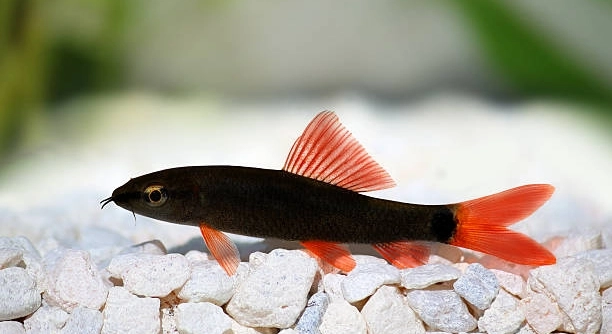
Rainbow sharks are popular freshwater fish known for their striking colors and active behavior. Keeping them comfortable in home aquariums can sometimes be challenging. Stress can affect their health and overall well-being if not managed properly.
Several factors contribute to stress in rainbow sharks, including poor water quality, inadequate tank size, aggressive tank mates, improper diet, lack of hiding spaces, inconsistent lighting, and sudden environmental changes. Addressing these can significantly reduce stress and promote healthier fish.
Understanding these causes can help you create a better environment for your rainbow shark. Managing these factors will improve your fish’s quality of life and make caring for them more enjoyable.
Water Quality and Tank Maintenance
Maintaining clean water is essential for a rainbow shark’s health. Poor water quality causes stress and can lead to illness. Regular water changes help keep harmful chemicals like ammonia and nitrites at safe levels. Testing the water often is important to ensure parameters like pH and temperature remain stable. Filtration systems also play a key role in keeping the water clean and oxygenated. Uneaten food and waste build-up create toxins that make fish uncomfortable. Changing 20-30% of the water weekly is a good practice. Avoid overfeeding to reduce waste in the tank. Keeping the water clean mimics the fish’s natural environment and helps reduce stress, encouraging more active and healthy behavior.
Regular tank cleaning and water testing are essential for reducing stress in rainbow sharks.
Rainbow sharks are sensitive to changes in their environment. Even small shifts in water quality can affect their health. Using a reliable water testing kit allows you to track ammonia, nitrites, nitrates, and pH levels regularly. It is best to keep ammonia and nitrites at zero, nitrates under 20 ppm, and pH between 6.5 and 7.5. Temperature should stay between 74°F and 80°F. Filters should be cleaned monthly but not all at once, to preserve beneficial bacteria. By maintaining these conditions, the tank stays stable and stress-free. This consistency helps rainbow sharks thrive and prevents common health problems related to poor water quality.
Tank Size and Environment
A tank that is too small limits your rainbow shark’s movement and causes stress. Rainbow sharks are active swimmers and need space to explore. A minimum tank size of 30 gallons is recommended for one fish. Crowding leads to territorial behavior and aggression, which increases stress. Providing enough room helps the fish feel secure and less aggressive. Decorations such as plants and hiding spots also improve the environment by offering shelter and reducing anxiety. A well-planned layout encourages natural behaviors and improves overall well-being.
Ensuring a proper tank size and environment improves your rainbow shark’s comfort and reduces stress.
Rainbow sharks naturally inhabit rivers and streams with plenty of space to swim and hide. When their tank is cramped, they can become aggressive or withdrawn. A larger tank offers room for establishing territories, which reduces conflict. Including smooth rocks, driftwood, and live or artificial plants adds cover and interest. Hiding places allow the fish to escape if they feel threatened. Proper tank size combined with these environmental enrichments creates a balanced setting where your rainbow shark can swim freely and feel secure. This reduces stress and promotes natural activity, making the fish healthier and easier to care for over time.
Compatible Tank Mates
Choosing the right tank mates is crucial for reducing stress in rainbow sharks. Aggressive or very active fish can provoke conflict, while peaceful species help maintain harmony.
Rainbow sharks tend to be territorial and may show aggression toward fish with similar shapes or colors. It is best to avoid other bottom dwellers or fish that share their swimming zones. Suitable tank mates include larger, calm species like barbs, danios, or gouramis. These fish usually keep to their own space and do not compete for territory aggressively. Adding incompatible fish may increase stress levels and cause injuries, so careful selection based on temperament and tank space is important. Monitoring behavior after introducing new fish helps detect issues early and allows for timely adjustments.
Providing a well-balanced community tank with compatible species creates a stable environment. This reduces aggression and stress, promoting healthier fish and a more peaceful aquarium atmosphere.
Proper Feeding and Nutrition
Feeding a balanced diet supports your rainbow shark’s health and reduces stress caused by nutritional deficiencies. Rainbow sharks are omnivores that require both protein and plant matter in their diet.
A diet including high-quality flakes, pellets, live or frozen foods such as bloodworms and brine shrimp, and occasional vegetables like blanched spinach or peas offers variety and essential nutrients. Overfeeding can pollute the tank, leading to poor water quality and stress. Feeding small amounts 1-2 times daily is ideal to avoid leftover food buildup. Consistency in feeding times also helps maintain routine and reduces stress. Monitoring your fish’s appetite and body condition allows adjustments to ensure proper nutrition.
Providing a nutritious and varied diet improves your rainbow shark’s immune system and energy levels, making it more resilient to stress and disease.
Hiding Spots and Decorations
Hiding spots are essential for reducing stress in rainbow sharks. They provide places to retreat and feel safe when feeling threatened or overwhelmed. Plants, caves, and decorations work well.
Adding natural or artificial plants and rock formations creates shelter and breaks up open swimming areas. This lowers aggression and promotes comfort.
Consistent Lighting
Rainbow sharks prefer stable lighting conditions. Sudden changes or excessive brightness can cause stress and erratic behavior. Maintaining a regular light schedule mimics natural day-night cycles.
Using a timer for aquarium lights helps keep lighting consistent. Aim for 8 to 10 hours of light daily, balancing with periods of darkness to support natural rhythms.
Avoid Sudden Changes
Rainbow sharks are sensitive to abrupt changes in water parameters, tank layout, or temperature. Sudden shifts can shock them and increase stress.
Gradual adjustments and careful monitoring help fish adapt more easily, preventing unnecessary discomfort.
Monitor Behavior
Pay close attention to your rainbow shark’s behavior. Changes such as hiding, loss of appetite, or aggression may indicate stress or health issues.
FAQ
How often should I change the water in my rainbow shark’s tank?
Regular water changes are important to keep your tank clean and stress-free. Changing about 20-30% of the water weekly is recommended. This helps remove toxins and maintain stable water conditions. More frequent changes may be needed if the tank is crowded or if water tests show poor quality.
What is the ideal tank size for one rainbow shark?
A tank of at least 30 gallons is best for one rainbow shark. They are active swimmers and need space to explore. Smaller tanks cause stress and territorial behavior. If you want to keep more than one, a larger tank is necessary to reduce aggression.
Can rainbow sharks live with other fish?
Yes, but careful selection of tank mates is important. Peaceful, larger fish that do not compete for the same space work best. Avoid other bottom dwellers or very aggressive fish. Monitor the tank after adding new fish to prevent conflicts.
What should I feed my rainbow shark?
Rainbow sharks need a balanced diet that includes protein and plant matter. High-quality flakes or pellets, live or frozen bloodworms, brine shrimp, and occasional vegetables like peas or spinach are good choices. Feed small amounts once or twice daily to avoid overfeeding and water pollution.
How do I create hiding spots for my rainbow shark?
Use live or artificial plants, caves, and rocks to provide shelter. These hiding places help reduce stress by giving the fish places to retreat when feeling threatened. Spread decorations around the tank to break up open areas and reduce aggression.
Why is lighting important for rainbow sharks?
Stable lighting supports their natural day-night cycle and reduces stress. Sudden or bright changes can cause erratic behavior. Use a timer to provide 8-10 hours of consistent light daily, followed by darkness to mimic natural conditions.
What signs show that my rainbow shark is stressed?
Common signs include hiding more than usual, loss of appetite, dull coloration, erratic swimming, or increased aggression. If you notice these behaviors, check water quality, tank mates, and environmental conditions to identify and fix problems.
How do I prevent sudden changes from stressing my fish?
Make any changes gradually, such as adjusting water temperature or rearranging decorations slowly. Sudden shifts in the tank environment can shock rainbow sharks and cause stress. Regular monitoring helps catch problems early before they become serious.
How often should I test my aquarium water?
Test water at least once a week to monitor ammonia, nitrites, nitrates, pH, and temperature. Keeping these parameters within safe ranges helps maintain a stress-free environment. More frequent testing is helpful during tank setup or if fish show signs of illness.
What temperature is best for rainbow sharks?
Keep the water temperature between 74°F and 80°F. Temperatures outside this range can cause stress and health issues. Use a reliable heater and thermometer to maintain a stable temperature suitable for your fish.
Is it okay to keep multiple rainbow sharks together?
Rainbow sharks can be territorial, especially in smaller tanks. Keeping multiple sharks requires a large tank with plenty of space and hiding spots to minimize aggression. Even then, some fighting may occur, so careful observation is necessary.
How do I handle aggressive behavior in my tank?
Aggression often results from overcrowding, small tanks, or incompatible tank mates. Increasing tank size, rearranging decorations, or separating aggressive fish can help. Avoid keeping fish that compete for the same territory.
What is the best way to introduce new fish to the tank?
Acclimate new fish slowly by floating their bag in the tank water and gradually mixing tank water into the bag over 30-60 minutes. This reduces shock from water differences. After acclimation, watch closely for signs of stress or aggression.
Can stress affect the color of my rainbow shark?
Yes, stress can cause colors to fade or become dull. Maintaining proper tank conditions, diet, and reducing aggression helps keep your rainbow shark vibrant and healthy.
How do I know if my fish is healthy?
Healthy rainbow sharks are active, eat regularly, have bright colors, and clear eyes. Their fins should be intact without damage or white spots. Any change in behavior or appearance may indicate illness or stress that needs attention.
Final Thoughts
Taking care of a rainbow shark requires attention to several key factors that affect its well-being. Maintaining good water quality is essential because poor conditions can cause stress and illness. Regular water changes, proper filtration, and consistent testing keep the environment stable and safe. This helps the fish remain healthy and active. A clean tank also reduces the chances of disease, making your care routine simpler and more effective.
Tank size and environment play a major role in your rainbow shark’s comfort. These fish are active swimmers who need enough space to move freely. A tank smaller than 30 gallons can lead to stress and aggressive behavior. Providing hiding spots with plants and decorations allows the fish to feel secure. These shelters reduce anxiety and help lower aggression toward other tank mates. Ensuring the tank is large enough and thoughtfully arranged benefits the fish’s mental and physical health.
Feeding and compatible tank mates are also important in lowering stress. A balanced diet that includes both protein and plant matter supports overall health. Overfeeding can pollute the water, so it is better to feed smaller amounts regularly. Choosing peaceful tank mates helps prevent conflicts that can stress rainbow sharks. Keeping a calm community and monitoring behavior closely allows you to catch problems early. Overall, paying attention to these details helps your rainbow shark live a longer, happier life.

Hello,
If you enjoy the content that we create, please consider saying a "Thank You!" by leaving a tip.
Every little bit helps us continue crafting quality advice that supports the health, happiness, and well-being of pets around the world, for pets of all shapes, sizes, and species.
We really appreciate the kindness and support that you show us!