
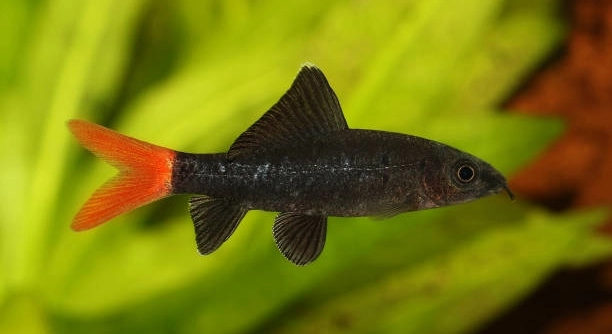
Rainbow sharks are popular aquarium fish known for their vibrant colors and active behavior. Many owners enjoy watching them swim but worry about their social needs. Ensuring these fish do not feel lonely is important for their wellbeing.
Rainbow sharks are territorial but benefit from proper tank mates and environment enrichment. Providing hiding spots, maintaining water quality, and offering regular interaction reduce stress and loneliness in captive rainbow sharks. Proper care promotes healthy, active fish behavior.
Understanding how to meet a rainbow shark’s social needs helps keep them healthy and happy. The following tips will guide you in creating a suitable environment for your fish.
Provide Adequate Tank Size and Setup
A proper tank size is essential for the well-being of rainbow sharks. These fish can grow up to six inches and require enough space to swim freely. A tank of at least 30 gallons is recommended for one rainbow shark. If you plan to keep more than one, increase the tank size accordingly to reduce territorial stress. Adding plenty of hiding spots, such as caves and plants, helps the fish feel secure. Decorations should offer both shelter and open swimming areas. The substrate should be smooth to avoid injury. Proper filtration and regular water changes maintain water quality, which directly affects the fish’s health. Keeping water parameters stable reduces stress, which can otherwise lead to aggressive behavior and loneliness. A well-maintained environment is the foundation of social comfort for rainbow sharks.
Proper tank setup ensures your rainbow shark feels safe and less isolated, encouraging natural and active behavior.
Creating a balanced tank environment with enough space and shelter is the first step in preventing loneliness in rainbow sharks. This encourages their natural instincts without causing territorial disputes.
Introduce Compatible Tank Mates Carefully
Introducing other fish into the tank requires careful consideration. Rainbow sharks are semi-aggressive and may not tolerate all species. Choose tank mates that are fast swimmers and can hold their own, such as danios or barbs. Avoid slow or long-finned fish that may be targeted. Observe interactions closely after introduction to ensure harmony. Gradually introducing new fish rather than all at once reduces stress. A crowded tank can increase aggression, so monitor the fish population carefully. Providing hiding places for all fish decreases competition for space. Tank mates help provide company, but careful planning is necessary to prevent conflict and stress. When done properly, social interaction with other fish reduces feelings of isolation for your rainbow shark.
Maintain a Consistent Feeding Schedule
Feeding your rainbow shark regularly helps reduce stress and supports their social behavior. Stick to a consistent feeding routine to avoid competition and aggression during mealtime.
A balanced diet includes high-quality sinking pellets, supplemented with live or frozen foods like bloodworms and brine shrimp. Feeding once or twice daily in small amounts prevents overfeeding and keeps the water clean. Avoid leaving uneaten food, which can pollute the tank and harm fish health. Feeding at the same time each day creates predictability, reducing anxiety for your fish. Proper nutrition helps maintain vibrant colors and active behavior.
Offering variety in their diet ensures your rainbow shark receives essential nutrients. A well-fed fish is less likely to become aggressive or withdrawn, improving social interactions and overall happiness.
Monitor Water Quality Regularly
Stable water conditions are crucial for the health of rainbow sharks. Test water parameters at least once a week to maintain ideal levels. Keep ammonia and nitrite at zero and nitrate below 20 ppm.
Regular water changes, about 25% weekly, help keep toxins low. Temperature should remain between 72°F and 79°F with proper filtration and aeration. Fluctuations in pH or temperature stress fish, increasing aggression and loneliness. Keeping the tank clean prevents disease and supports immune health. A consistent environment allows rainbow sharks to feel secure and interact naturally. Monitoring water quality is one of the most effective ways to ensure your fish thrive long-term.
Provide Environmental Enrichment
Adding decorations and plants keeps rainbow sharks mentally stimulated. This prevents boredom, which can lead to loneliness or stress.
Vary the tank layout occasionally. Live plants, driftwood, and rocks offer hiding places and exploration opportunities, encouraging natural behavior.
Keep Lighting Consistent
A stable light cycle mimics natural day and night rhythms. Use a timer to provide 10–12 hours of light daily. This supports healthy activity patterns and reduces stress.
Regular Observation of Behavior
Watch your rainbow shark daily for signs of stress or aggression. Early detection of changes allows for timely adjustments in care or environment to maintain peace in the tank.
How many rainbow sharks can live together in one tank?
Rainbow sharks are territorial fish that often prefer to have their own space. In a tank smaller than 55 gallons, it is generally best to keep only one rainbow shark. In larger tanks, two or three can sometimes coexist if there are plenty of hiding spots and territories to reduce conflicts. However, even in big tanks, aggression can still occur. It is important to monitor their behavior closely and separate them if fighting happens. Overcrowding increases stress and territorial disputes, so careful planning is necessary to maintain harmony.
What tank mates are best for rainbow sharks?
Suitable tank mates for rainbow sharks are active, fast-swimming species that won’t provoke aggression. Examples include danios, barbs, and larger tetras. Avoid slow-moving or long-finned fish like bettas and angelfish, which rainbow sharks may chase or nip. Bottom dwellers like corydoras catfish often do well alongside rainbow sharks because they occupy different tank areas. Always introduce new fish slowly and observe interactions. Proper selection and monitoring of tank mates help maintain a peaceful environment.
How often should I feed my rainbow shark?
Feeding once or twice daily in small portions is ideal. Overfeeding can cause water quality problems and obesity in fish. Provide a balanced diet mainly of sinking pellets formulated for omnivores. Supplement with live or frozen foods such as bloodworms and brine shrimp for variety and extra nutrition. Remove any uneaten food to prevent water contamination. Consistent feeding routines reduce competition and aggression during mealtime.
Why does my rainbow shark chase other fish?
Chasing behavior is often territorial or related to establishing dominance. Rainbow sharks may chase smaller or slower fish to defend their space. Stress, overcrowding, or lack of hiding spots can worsen aggression. Providing enough space, hiding places, and compatible tank mates usually reduces chasing. If chasing becomes excessive or injurious, separating the fish temporarily may be necessary.
Can rainbow sharks live alone?
Rainbow sharks can live alone but may become bored without stimulation. Loneliness is possible, especially in small tanks lacking environmental enrichment. Providing hiding spots, plants, and regular interaction can help reduce isolation. Adding compatible tank mates carefully may improve social behavior, but compatibility must be monitored.
How do I know if my rainbow shark is stressed?
Signs of stress include loss of color, hiding constantly, reduced appetite, erratic swimming, or aggression. Stress often results from poor water quality, overcrowding, or aggressive tank mates. Monitoring water parameters regularly and maintaining a stable environment help prevent stress. Early recognition allows for quicker intervention.
What water parameters are best for rainbow sharks?
Rainbow sharks thrive in temperatures between 72°F and 79°F, with a pH of 6.5 to 7.5. Ammonia and nitrite levels should be zero, and nitrates kept below 20 ppm. Stable water conditions reduce stress and encourage healthy behavior. Frequent testing and regular water changes are essential to maintain these parameters.
Is it necessary to provide hiding places?
Yes, hiding places are crucial for rainbow sharks. They are territorial but also shy at times. Caves, plants, and decorations give them spots to retreat when feeling threatened. This reduces stress and aggression, promoting natural behavior and social comfort. A tank with varied shelter options helps fish feel secure.
How often should I change the water?
Weekly water changes of 20–30% are recommended to keep water clean and reduce toxin buildup. Regular changes improve oxygen levels and support overall fish health. Avoid changing too much water at once to prevent stress from sudden environmental shifts.
Can rainbow sharks recognize their owners?
While not capable of recognizing people in the same way pets like dogs do, rainbow sharks may learn to associate their owner’s presence with feeding or activity. They may swim toward familiar movement near the tank, showing a form of conditioned response rather than true recognition.
Taking care of a rainbow shark requires attention to its social and environmental needs. These fish are active and territorial by nature, which means they need enough space and proper tank mates to avoid stress and loneliness. Providing a well-maintained tank with clean water, hiding spots, and a balanced diet supports their health and behavior. Keeping a consistent feeding schedule and regular water testing helps prevent problems that might cause anxiety or aggression. When their basic needs are met, rainbow sharks tend to be more active and less likely to display signs of loneliness.
It is important to understand that every rainbow shark is different. Some may tolerate tank mates better than others, while some prefer to be alone. Observing their behavior closely will help you identify any signs of stress or aggression early on. Changing the tank environment by adding new decorations or rearranging plants can keep the fish mentally stimulated. Providing a stable light cycle and avoiding overcrowding will also contribute to a calm and secure habitat. Small changes in the tank setup can have a big impact on your fish’s well-being.
Overall, caring for a rainbow shark involves creating a balanced environment where the fish can feel safe and engaged. Taking these steps will help reduce loneliness and promote natural behaviors. Regular observation and adjustments based on your fish’s responses will keep them healthy and happy. With proper care, your rainbow shark can thrive and become a colorful, lively addition to your aquarium.

Hello,
If you enjoy the content that we create, please consider saying a "Thank You!" by leaving a tip.
Every little bit helps us continue crafting quality advice that supports the health, happiness, and well-being of pets around the world, for pets of all shapes, sizes, and species.
We really appreciate the kindness and support that you show us!