
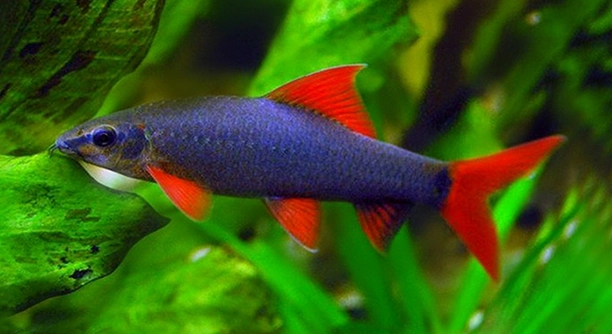
Rainbow Sharks are popular aquarium fish known for their striking colors and active nature. Sometimes, these fish show signs of scratching, which can be worrying for owners. Understanding the reasons behind this behavior is important to keep them healthy and comfortable.
Rainbow Shark scratching is commonly caused by poor water quality, parasites, stress, improper diet, tank mates aggression, inadequate hiding spaces, and sudden changes in the environment. Identifying these factors helps prevent irritation and supports the fish’s well-being.
Knowing what causes scratching in Rainbow Sharks can help you maintain a calm and healthy tank. The following information will guide you through practical steps to avoid this issue.
Poor Water Quality
Maintaining clean water is essential for Rainbow Sharks. Dirty water leads to irritation and scratching because it can cause skin inflammation and make the fish uncomfortable. High levels of ammonia, nitrites, or nitrates are harmful and stress the fish. Regular water testing and partial water changes help keep the tank safe. Avoid overcrowding, as too many fish increase waste and reduce water quality. Using a good filtration system and cleaning the tank substrate also improve conditions. When water quality is poor, Rainbow Sharks try to relieve the discomfort by rubbing against tank surfaces, which causes scratching marks. Consistent care and monitoring prevent these problems and keep the fish healthy.
Water quality problems can be prevented by testing water regularly, performing weekly water changes, and using proper filtration.
If you keep the water clean and stable, your Rainbow Shark will be less likely to scratch. Small steps like regular maintenance and avoiding overfeeding help maintain a healthy environment. Clear water supports their natural behavior and vibrant color, reducing stress and irritation.
Parasites and Diseases
Parasites are a common cause of scratching in Rainbow Sharks. These tiny organisms attach to the fish’s skin and gills, causing itching and discomfort. Common parasites include ich, flukes, and lice, which are contagious and spread quickly in a tank. Early detection is important to stop the spread and minimize damage. Quarantining new fish before adding them to the main tank can reduce the risk of introducing parasites. Treatment usually involves medication that targets the specific parasite while keeping the tank environment safe. It is essential to follow instructions carefully and continue treatment until symptoms disappear. Healthy fish with good immune systems are less likely to suffer from parasites.
Parasite infestations require immediate attention to avoid serious health issues.
Treating parasites involves identifying the type and applying the right medication, such as anti-parasitic baths or tank treatments. Keeping the tank clean and stable supports recovery. Stress weakens the fish’s immune response, making it easier for parasites to take hold. Avoid sudden temperature changes and handle fish gently during treatment. Monitoring water quality during this period helps prevent secondary infections. Regular observation after treatment ensures the problem is resolved. Preventative measures like quarantine, proper diet, and tank hygiene reduce future outbreaks. This careful approach protects both your Rainbow Shark and other fish in the aquarium.
Stress from Tank Mates
Aggressive or overly active tank mates can stress Rainbow Sharks. This stress often causes them to scratch as a reaction to discomfort. Compatibility between fish species is important to reduce conflict and stress.
Stress weakens the immune system of Rainbow Sharks, making them more vulnerable to illness and irritation. Aggressive fish may chase or nip at them, causing physical damage and prompting scratching behavior. Even overly active fish can disturb the peaceful environment needed for Rainbow Sharks to thrive. Providing enough space and hiding spots helps reduce tension. Observing fish interactions allows early detection of aggression, preventing serious harm. Choosing calm, non-aggressive species as tank mates is essential to maintain a balanced aquarium environment and minimize stress.
To improve harmony, consider rearranging the tank to create separate territories. Adding plants, rocks, or decorations gives the Rainbow Shark places to retreat. Reducing crowding by limiting the number of fish can also help. When stress is managed well, scratching decreases, and the fish show healthier behavior and coloring.
Sudden Environmental Changes
Sudden changes in water temperature, pH, or hardness can cause discomfort leading to scratching. Rainbow Sharks prefer stable conditions, and fluctuations disturb their natural balance.
Even small, quick changes in the aquarium environment can trigger stress responses. These changes may come from new water additions, malfunctioning heaters, or adjusting tank settings too rapidly. Fish react to this stress by rubbing against surfaces, attempting to soothe irritation caused by altered water chemistry. Avoiding sudden shifts by making gradual adjustments over several days is crucial. Testing water parameters before and after changes ensures they stay within safe ranges. Maintaining consistent lighting and avoiding frequent disruptions in the tank’s surroundings also helps keep the fish calm.
Stable, well-maintained environments reduce the risk of scratching caused by irritation. When changes are necessary, slow transitions allow Rainbow Sharks to adapt comfortably. This careful approach helps maintain their health and overall happiness in the aquarium.
Inadequate Hiding Spaces
Rainbow Sharks need places to hide and rest. Without enough hiding spots, they feel exposed and stressed. This can lead to scratching as a reaction to discomfort.
Providing caves, plants, or decorations gives them security. These spaces help reduce stress and protect their skin from injury caused by rubbing.
Improper Diet
A poor diet can weaken Rainbow Sharks, making their skin sensitive and prone to irritation. Balanced nutrition supports their immune system and overall health.
Feeding high-quality pellets, supplemented with live or frozen foods, ensures they get essential nutrients. Avoid overfeeding, as leftover food affects water quality and stresses fish.
Aggression Among Rainbow Sharks
Rainbow Sharks are territorial and can show aggression if kept in small tanks or overcrowded conditions. This leads to fights and physical damage, causing scratching.
Providing enough space and keeping only one Rainbow Shark per tank helps reduce aggression. Observing behavior and separating aggressive fish prevents injuries.
FAQ
Why is my Rainbow Shark constantly scratching against tank decorations?
Constant scratching usually means your Rainbow Shark is irritated or stressed. This can result from poor water quality, parasites, or aggressive tank mates. Check water parameters first and test for parasites. Also, make sure the tank environment is stable and that your fish has enough hiding spots to feel safe.
How often should I test the water to prevent scratching?
Testing water once a week is a good practice to maintain stable conditions. Focus on ammonia, nitrite, nitrate levels, and pH. Frequent checks help catch problems early before they cause irritation that leads to scratching. Regular partial water changes also keep the water clean.
Can scratching cause permanent damage to my Rainbow Shark?
Yes, excessive scratching can cause wounds and skin infections. These injuries make the fish more vulnerable to secondary diseases. If you notice open sores or bleeding, take immediate steps to improve water quality and treat any parasites. Keeping stress low is important to help healing.
What type of diet helps reduce scratching in Rainbow Sharks?
A balanced diet with high-quality pellets designed for omnivores, supplemented with occasional live or frozen foods, strengthens their immune system. Avoid overfeeding to prevent poor water quality. Good nutrition keeps the skin healthy and less prone to irritation.
Is it safe to treat parasites while other fish are in the tank?
Many parasite treatments are safe for community tanks, but always read the medication instructions. Some treatments can stress or harm sensitive species. If possible, quarantine infected fish or use a hospital tank for treatment to protect other fish and ensure proper healing.
How can I reduce aggression in my tank to prevent scratching?
Avoid overcrowding and provide plenty of space for each fish. Use decorations, plants, and rocks to create hiding places and territories. Choose peaceful tank mates. Observe fish behavior and separate aggressive individuals before injuries occur.
What is the best way to introduce new fish to prevent parasite outbreaks?
Quarantine new fish in a separate tank for at least two weeks before adding them to the main aquarium. This allows time to detect and treat any parasites or illnesses. Quarantine helps protect your Rainbow Shark and other fish from infection.
Can temperature changes cause scratching?
Yes, sudden or extreme temperature changes stress Rainbow Sharks, leading to scratching. Keep the temperature stable, ideally between 74°F and 79°F (23°C–26°C). Use a reliable heater and thermometer. Avoid sudden water additions or cooling.
Are there signs other than scratching that indicate stress in Rainbow Sharks?
Other signs include loss of appetite, hiding more than usual, fading color, or erratic swimming. These symptoms often appear with scratching. Addressing water quality, tank mates, and diet usually improves their condition quickly.
What should I do if scratching continues despite correcting water and diet?
If scratching persists, closely examine the fish for parasites or injuries. Consult a veterinarian or aquarium specialist for advice. Sometimes underlying infections or diseases require specific treatments. Do not delay, as ongoing irritation harms the fish’s health.
Final Thoughts
Rainbow Sharks are beautiful and active fish that need proper care to stay healthy and comfortable. Scratching is a common sign that something in their environment or health is not right. It is important to pay attention to this behavior because it can indicate stress, poor water quality, parasites, or other issues. By understanding the causes, owners can take simple but effective steps to prevent and treat scratching, ensuring their fish live well.
Keeping the tank clean and stable is one of the most important things for preventing scratching. Regular water testing and changes help maintain safe conditions. Providing enough hiding places and choosing compatible tank mates reduces stress and aggression. A balanced diet supports the fish’s immune system and skin health. Watching for signs of illness and acting quickly to treat parasites also protects the fish from discomfort. Small changes in care routines can make a big difference in how Rainbow Sharks behave and feel.
Taking care of Rainbow Sharks requires attention and patience, but it is rewarding. When their environment is stable and their needs are met, they show healthier behavior and brighter colors. Avoiding sudden changes and handling problems early will keep them from scratching and suffering. These fish thrive best in tanks where conditions are well maintained and they feel safe. Following the guidance in this article can help you provide a better home for your Rainbow Shark, promoting its long-term health and happiness.

Hello,
If you enjoy the content that we create, please consider saying a "Thank You!" by leaving a tip.
Every little bit helps us continue crafting quality advice that supports the health, happiness, and well-being of pets around the world, for pets of all shapes, sizes, and species.
We really appreciate the kindness and support that you show us!