
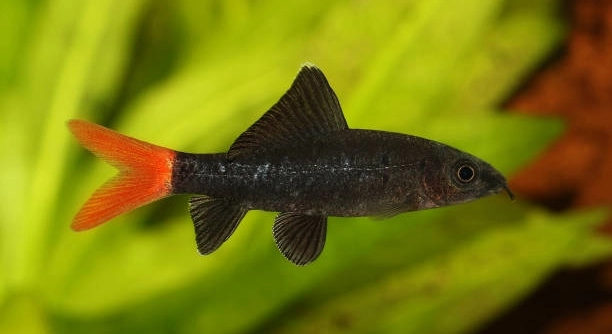
Many aquarium owners enjoy keeping rainbow sharks because of their unique colors and active nature. However, these fish can sometimes struggle to adjust to a new tank environment. Recognizing the signs of poor adaptation is important for their well-being.
Rainbow sharks may show signs of stress or poor adaptation through changes in behavior, appetite, or physical appearance. These indicators often point to unsuitable water conditions, improper tank setup, or health issues that need timely attention to ensure their survival.
Knowing what to watch for can help you maintain a healthy environment and support your rainbow shark’s adjustment process. Taking early action makes a big difference in their comfort and longevity.
Erratic Swimming and Hiding Behavior
When a rainbow shark is not adapting well, you might notice it swimming erratically or hiding more than usual. This fish usually swims confidently around the tank, but stress or discomfort can cause it to dart suddenly or stay out of sight. Such behavior often signals that the fish feels unsafe or stressed. Changes in water temperature, poor water quality, or an overcrowded tank can all lead to this response. It’s important to check the tank conditions carefully and ensure the environment suits the fish’s needs. Adjusting water parameters and reducing tank noise or disturbances can help your rainbow shark feel more secure. In some cases, the fish may become aggressive or overly shy, which also points to stress.
Erratic swimming and hiding are clear signs that your rainbow shark needs help to settle in.
Monitoring your fish’s activity daily is key. A comfortable rainbow shark will explore openly and interact calmly, showing that the tank environment supports its health and happiness.
Loss of Appetite
A rainbow shark that is not eating well is often under stress or experiencing illness. Loss of appetite can quickly lead to weakness and make the fish more vulnerable to disease. This problem usually happens when water conditions are poor, or the fish is bullied by tank mates. Sometimes, new foods might not appeal to the shark, but a sudden refusal to eat should not be ignored. Ensuring the fish receives a balanced diet and that feeding times are consistent helps maintain its health. If appetite loss continues, testing water quality and checking for parasites or infections is necessary. Treating any underlying problems early prevents long-term damage. Offering favorite foods and removing aggressive fish from the tank can encourage eating.
A healthy rainbow shark usually shows interest in food and feeds regularly without hesitation.
Faded Colors
When a rainbow shark’s colors start to fade, it is a sign of stress or poor health. This loss of vibrant color often points to water quality issues or inadequate nutrition.
Faded colors can result from high ammonia or nitrite levels in the tank, which are harmful to fish. Poor diet lacking essential nutrients also dulls their natural brightness. In some cases, the stress of frequent tank changes or aggressive tank mates can cause color loss. Maintaining stable water parameters and providing a varied diet rich in vitamins can help restore the fish’s vibrant appearance. Regular tank cleaning and monitoring will support healthier, brighter fish.
It’s important to act quickly because faded colors can worsen if the underlying problems persist. Improving water quality and diet can help the rainbow shark regain its lively colors and improve its overall well-being.
Clamped Fins
Clamped fins are a common sign that a rainbow shark is uncomfortable or stressed. When fins stay close to the body, it indicates poor health or environmental issues.
This behavior can be caused by poor water conditions, such as incorrect pH levels or temperature fluctuations. Disease or parasites might also cause fin clamping. Stress from overcrowding or aggressive tank mates often results in this symptom. Observing clamped fins alongside other signs, like lethargy or loss of appetite, can help identify the root problem. Treating water quality and removing stress factors will encourage fin relaxation. Regular monitoring and prompt action are necessary to prevent further health decline.
Gasping at the Surface
Gasping at the water’s surface often means the rainbow shark is struggling to get enough oxygen. This can be caused by poor water circulation or low oxygen levels in the tank.
Check the filter and aeration system to ensure proper oxygen flow. Improving water movement helps the fish breathe better and reduces stress.
Excessive Scratching
Scratching against tank decorations or substrate usually indicates irritation from parasites or poor water quality. This behavior can cause injury if left unchecked.
Treating the tank for parasites and maintaining clean water helps stop the scratching. Regular water tests are essential to catch problems early and keep your fish healthy.
Sudden Weight Loss
Sudden weight loss in a rainbow shark points to underlying health problems such as disease, poor nutrition, or stress. It needs immediate attention.
Keep a close eye on feeding habits and water conditions. Addressing illness or environmental issues quickly improves chances of recovery.
FAQ
What causes a rainbow shark to behave strangely in its tank?
Strange behavior in rainbow sharks usually comes from stress caused by poor water quality, improper tank setup, or aggressive tank mates. Changes in water temperature or sudden moves can also unsettle them. Ensuring stable tank conditions and compatible companions helps reduce stress and keeps behavior normal.
How can I improve water quality for my rainbow shark?
Regular water changes, proper filtration, and testing water parameters are key to good water quality. Keep ammonia, nitrites, and nitrates at safe levels, and maintain a stable pH and temperature. Avoid overfeeding, as leftover food can pollute the water quickly. Proper care helps fish stay healthy and colorful.
Why is my rainbow shark hiding more than usual?
Hiding often means the fish feels unsafe or stressed. It may be reacting to aggressive tank mates, sudden noise, or poor water conditions. Providing enough hiding spots and reducing disturbances can help the fish feel secure and more active.
What foods are best for rainbow sharks?
Rainbow sharks eat mostly sinking pellets or wafers designed for bottom feeders. They also enjoy vegetables like zucchini or cucumber and occasional live or frozen foods such as bloodworms. A varied diet supports their health and bright colors.
How often should I feed my rainbow shark?
Feeding once or twice a day with only what they can finish in a few minutes prevents overfeeding and water pollution. Avoid giving too much food, which can cause stress and health problems.
Can tank size affect my rainbow shark’s behavior?
Yes, rainbow sharks need space to swim. A small or overcrowded tank causes stress and aggression. A tank of at least 30 gallons is recommended to provide enough room for swimming and hiding.
What are common diseases that affect rainbow sharks?
Common issues include fin rot, ich, and parasitic infections. Symptoms include clamped fins, white spots, or scratching. Maintaining clean water and quarantining new fish helps prevent disease.
How do I know if my rainbow shark is stressed?
Signs include faded colors, hiding, loss of appetite, erratic swimming, and clamped fins. Stress usually means something in the tank needs adjustment.
Is it okay to keep rainbow sharks with other fish?
Rainbow sharks can be territorial and aggressive, especially in small tanks. Choose tank mates carefully—avoid slow or timid fish. Providing enough space and hiding spots reduces conflict.
What is the best way to introduce a rainbow shark to a new tank?
Acclimate slowly by floating the bag in the tank water and gradually mixing tank water into the bag over 30 minutes. This reduces shock from temperature and water chemistry changes.
How important is tank maintenance for rainbow sharks?
Regular cleaning and water changes are crucial. Neglecting maintenance leads to poor water quality, stress, and illness. Weekly partial water changes keep the environment healthy.
Can poor water conditions cause color fading?
Yes, high ammonia, nitrites, or incorrect pH levels cause stress that dulls colors. Keeping water clean and balanced helps maintain the fish’s bright appearance.
What should I do if my rainbow shark refuses to eat?
Check water quality and tank conditions first. Try offering favorite foods or live options. If the fish still won’t eat, it may be sick and need treatment.
How do I treat parasites in my rainbow shark?
Use medication designed for freshwater fish and follow instructions carefully. Quarantine sick fish to prevent spreading parasites. Improving water quality also helps recovery.
Can stress cause weight loss in rainbow sharks?
Yes, stress weakens the immune system and reduces appetite, leading to weight loss. Addressing stressors quickly is important to avoid serious health problems.
What temperature is ideal for a rainbow shark?
The ideal temperature range is 74-79°F (23-26°C). Stable temperatures within this range reduce stress and support good health. Use a heater if needed to maintain consistent warmth.
How do I handle aggression in a community tank with rainbow sharks?
Provide plenty of hiding places and space. Avoid overcrowding and aggressive species. If aggression continues, consider separating the fish or moving the rainbow shark to its own tank.
How can I tell if my rainbow shark is healthy?
A healthy rainbow shark is active, eats regularly, has bright colors, and swims confidently. Clear eyes and intact fins are also good signs.
Can a rainbow shark live without hiding spots?
They feel safer with places to hide. Without hiding spots, they may become stressed and hide less, showing unusual behavior. Adding plants, caves, or decorations helps reduce stress.
What are the signs of fin rot in rainbow sharks?
Fin rot appears as ragged, discolored, or shrinking fins. It often results from poor water quality or injury. Treatment involves improving water conditions and using antibacterial medications.
Final Thoughts
Taking care of a rainbow shark means paying close attention to its behavior and environment. These fish are beautiful and active but can be sensitive to changes in their tank. Signs like faded colors, hiding, or loss of appetite are not just small problems—they show the fish is struggling to adapt. Catching these signs early helps prevent bigger health issues and keeps the fish comfortable. Keeping water clean, stable, and the tank well-maintained creates a better space for your rainbow shark to thrive.
Understanding your fish’s needs is important. Rainbow sharks need enough room to swim and places to hide when they feel stressed. They also require a proper diet that includes a mix of sinking pellets and fresh vegetables. When these basic needs are met, the fish are more likely to show bright colors and active behavior. Stress from poor water quality or aggressive tank mates often causes common problems like clamped fins or gasping at the surface. By maintaining good water conditions and choosing tank mates carefully, you help your rainbow shark adjust smoothly.
Finally, patience and observation are key. It can take time for a rainbow shark to get used to a new tank or changes in its environment. Watch how your fish acts every day and make small adjustments if needed. If you notice any signs of illness or discomfort, address them quickly. With proper care and attention, your rainbow shark can live a healthy and happy life, bringing color and movement to your aquarium. Taking the time to learn about their needs shows you care, and your fish will benefit from that.

Hello,
If you enjoy the content that we create, please consider saying a "Thank You!" by leaving a tip.
Every little bit helps us continue crafting quality advice that supports the health, happiness, and well-being of pets around the world, for pets of all shapes, sizes, and species.
We really appreciate the kindness and support that you show us!