
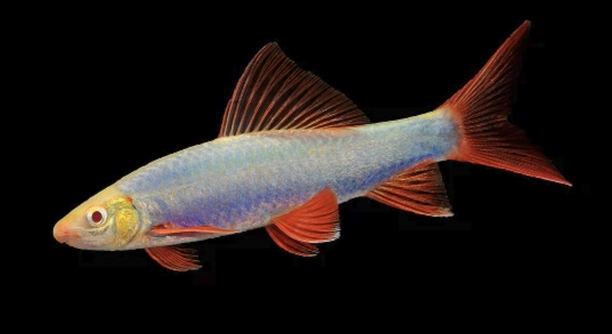
Many fishkeepers enjoy having rainbow sharks for their bright colors and lively behavior. However, these fish can quickly show signs of stress if their tank environment is not suitable. Recognizing these signs early helps keep your fish healthy.
Rainbow sharks suffering from poor tank conditions often exhibit signs such as faded color, lethargy, clamped fins, erratic swimming, loss of appetite, frequent hiding, and sometimes visible physical damage. These symptoms directly indicate water quality issues, inadequate space, or poor maintenance.
Knowing these warning signs will help you create a better environment for your rainbow shark and improve its overall well-being. Taking simple steps can make a big difference in your fish’s health.
Faded Color and Dull Appearance
When a rainbow shark’s vibrant colors start to fade, it usually means something is wrong with its tank conditions. Poor water quality, including high ammonia or nitrite levels, can cause stress that dulls the fish’s bright red and black shades. Lack of proper lighting or a tank that is too small may also contribute to this change. Sometimes, the fish looks generally unhealthy or pale, which can be an early warning sign of discomfort. It is important to regularly check water parameters and maintain the tank to keep the colors vivid. Adjusting the tank setup, such as improving filtration or adding plants, often helps restore the fish’s natural brightness.
Faded color is a common indicator of poor tank health and should never be ignored. Immediate action is required to prevent further health decline.
Keeping an eye on your rainbow shark’s color is one of the easiest ways to spot problems early. Healthy fish will display strong, vibrant colors, so any dullness or paleness means it’s time to check the environment carefully. Cleaning the tank, ensuring proper water flow, and feeding a balanced diet can support color recovery and improve your fish’s overall condition.
Lethargy and Unusual Behavior
Lethargy is often the first sign of stress in rainbow sharks. When they become less active and spend most of their time hiding or resting at the bottom, it usually points to poor tank conditions. Stressful environments, like overcrowding or fluctuating water temperature, can cause this behavior. A lack of oxygen or dirty water may also make the fish weak and slow.
If your rainbow shark isn’t swimming as much or seems uninterested in food, it’s essential to check the tank immediately. Improving water quality by performing partial water changes and reducing stressors can help bring back normal activity levels.
In many cases, lethargy is reversible with quick intervention. Monitoring your fish daily helps detect changes early. By ensuring proper oxygenation, stable temperatures, and enough space, you create a better habitat. Feeding nutritious food and avoiding sudden changes in the tank environment also play a role in encouraging natural behavior. If the problem persists, it may be necessary to test for diseases or parasites, but often improving tank conditions is enough to restore energy and vitality.
Clamped Fins and Erratic Swimming
Clamped fins happen when a rainbow shark holds its fins close to its body, which is a sign of stress or illness. This usually indicates poor water quality or sudden changes in the tank environment.
When the water quality is poor or inconsistent, rainbow sharks react by clamping their fins to reduce energy use and protect themselves. This behavior often accompanies erratic swimming, where the fish darts around unpredictably or struggles to maintain balance. Such movements can be caused by ammonia poisoning, low oxygen levels, or the presence of toxins in the water. Fixing water parameters quickly is essential to help the fish recover normal swimming patterns.
Erratic swimming may also indicate an internal parasite or infection, especially if accompanied by other symptoms like rubbing against objects or loss of appetite. In these cases, a water test and appropriate treatment are necessary. A calm and stable tank environment supports healing and reduces stress.
Loss of Appetite and Frequent Hiding
Loss of appetite is a clear sign your rainbow shark is not comfortable in its tank. When the fish stops eating or shows little interest in food, it often reflects poor water conditions or stress.
Frequent hiding is another behavior linked to stress or illness. Rainbow sharks naturally like hiding spots, but if they hide too much, it can mean something is wrong with the environment. Water quality problems, improper tank mates, or lack of space can cause this behavior. Addressing these issues often helps the fish regain its appetite and become more active. Providing plenty of hiding places while ensuring good water quality creates a balanced habitat.
Visible Physical Damage
Physical damage on a rainbow shark, such as torn fins or scratches, often points to poor tank conditions. This can result from aggressive tank mates, rough decorations, or poor water quality that weakens the fish’s health.
Ignoring these injuries can lead to infections. Keeping the tank clean and safe helps prevent further harm and supports healing.
Frequent Hiding
Rainbow sharks like hiding spots, but excessive hiding signals stress. It often shows the fish feels unsafe due to tank mates or water problems.
Reducing stress by improving water quality and providing gentle tank companions encourages the fish to be more active and visible.
Sudden Weight Loss
Sudden weight loss is a worrying sign that tank conditions may be affecting your fish’s health. It usually means the fish is not eating well or is fighting an illness.
Paying close attention to diet and tank hygiene can help reverse this condition and support recovery.
FAQ
How do I know if my rainbow shark is stressed?
Signs of stress in a rainbow shark include faded colors, clamped fins, lethargy, and hiding more than usual. The fish may also lose interest in food and swim erratically. These behaviors often point to poor water quality or an unsuitable tank environment.
What water parameters should I maintain for a healthy rainbow shark?
Rainbow sharks prefer water with a temperature between 74°F and 80°F, a pH of 6.5 to 7.5, and low ammonia, nitrite, and nitrate levels. Regular water testing and partial water changes keep these parameters stable and safe for the fish.
Why does my rainbow shark keep hiding?
Excessive hiding often means the fish feels threatened or uncomfortable. This can happen due to aggressive tank mates, poor water quality, or a lack of suitable hiding spots. Improving tank conditions and choosing peaceful companions can reduce hiding behavior.
What causes clamped fins in rainbow sharks?
Clamped fins usually indicate stress or illness. Poor water quality, sudden changes in temperature, or ammonia spikes often cause this. Correcting water conditions and maintaining a stable environment will help the fins return to normal.
How often should I clean the tank?
Partial water changes of 20-30% every week or two help maintain water quality. Regular cleaning of the substrate and filter also prevents the buildup of harmful substances. Over-cleaning can stress fish, so balance is key.
Can poor diet affect my rainbow shark’s health?
Yes, an unbalanced diet weakens the immune system and dulls color. Rainbow sharks are omnivores and need a mix of high-quality flakes, pellets, and occasional live or frozen foods. Feeding varied and appropriate food supports their health.
What should I do if my rainbow shark is lethargic?
Check water quality immediately. Poor conditions are the most common cause of lethargy. Adjust temperature, perform a partial water change, and ensure proper oxygen levels. If lethargy continues, consider testing for disease and consult a specialist.
Is tank size important for rainbow sharks?
Yes, rainbow sharks need at least a 30-gallon tank to swim comfortably. Crowded or small tanks cause stress and aggression, which lead to poor health. Providing enough space improves behavior and reduces illness risk.
Why is my rainbow shark swimming erratically?
Erratic swimming often signals discomfort caused by poor water quality, parasites, or injury. Test water parameters and look for physical signs like spots or damage. Treating infections and stabilizing the environment can restore normal swimming.
How do I treat injuries on my rainbow shark?
First, improve water quality to prevent infections. Use aquarium salt or recommended medications if necessary. Remove aggressive tank mates and provide a calm space for healing. Keeping the tank clean supports recovery.
Can temperature changes harm my rainbow shark?
Sudden temperature fluctuations cause stress and weaken immune defenses. Keep the tank heater stable and avoid placing the aquarium near drafts or direct sunlight. Consistent temperature supports fish health.
What are the signs of ammonia poisoning?
Ammonia poisoning causes red or inflamed gills, gasping at the surface, lethargy, and clamped fins. It is often due to poor filtration or infrequent water changes. Immediate partial water changes and better filtration help reduce ammonia levels.
How do I prevent disease in my rainbow shark?
Maintain clean water, stable temperature, and good diet. Avoid overcrowding and quarantine new fish before adding them. Regular monitoring helps catch problems early and reduce disease risks.
When should I seek professional help for my fish?
If your rainbow shark shows persistent signs of illness like weight loss, unusual swimming, or damaged fins despite improving tank conditions, consult an aquarium expert or veterinarian experienced with fish.
Can tank decorations cause harm?
Sharp or rough decorations can injure your fish, leading to infections. Choose smooth, fish-safe ornaments and avoid overcrowding the tank to reduce stress and prevent damage.
How do I encourage my rainbow shark to eat again?
Try offering varied foods such as live or frozen bloodworms, brine shrimp, or sinking pellets. Feeding small amounts multiple times a day can stimulate appetite. Improving water quality also helps bring back normal feeding habits.
Caring for a rainbow shark means paying close attention to its environment and behavior. This fish thrives best in clean, stable tanks with proper water conditions and enough space to swim. When tank conditions are poor, the fish will show clear signs like faded colors, clamped fins, or hiding too much. Recognizing these signs early allows you to take action before the fish’s health worsens. Regular maintenance, such as water changes and monitoring water quality, plays a big role in preventing many common problems. Simple steps like keeping the tank clean and choosing peaceful tank mates create a safe and comfortable home for your rainbow shark.
It’s important to remember that rainbow sharks need a balanced diet and a proper tank setup to stay healthy. Feeding them a variety of foods ensures they get the nutrients they need. Also, having enough space and places to hide helps reduce stress. Stress weakens the fish’s immune system, making it more vulnerable to disease. Avoid overcrowding the tank and keep an eye on how your fish behaves day to day. If you notice changes like loss of appetite, unusual swimming, or visible injuries, it often means the tank conditions need attention. Quick responses help the fish recover more easily and avoid serious illness.
Taking care of rainbow sharks can be rewarding, but it requires commitment. Maintaining good water quality, proper feeding, and a peaceful environment helps your fish live a longer, healthier life. When problems arise, addressing them calmly and carefully improves the chances of recovery. Being observant and proactive in your fish care routine benefits not only the rainbow shark but the entire tank community. With time and attention, your rainbow shark will show its beautiful colors and natural behavior, making your aquarium a more enjoyable place.

Hello,
If you enjoy the content that we create, please consider saying a "Thank You!" by leaving a tip.
Every little bit helps us continue crafting quality advice that supports the health, happiness, and well-being of pets around the world, for pets of all shapes, sizes, and species.
We really appreciate the kindness and support that you show us!