
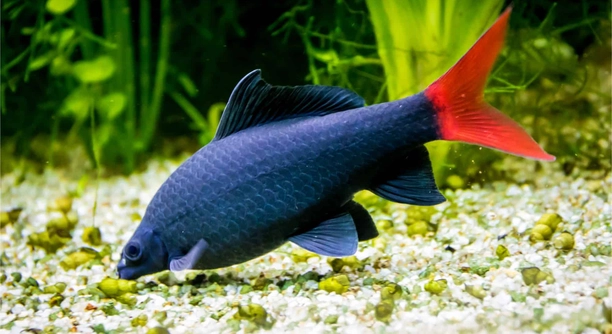
Rainbow Sharks are popular freshwater fish that need special care when introduced to a new tank. They can be shy and stressed if their environment changes suddenly. Helping them adjust smoothly ensures they stay healthy and active.
To help your Rainbow Shark adapt, maintain stable water conditions, provide plenty of hiding places, and avoid overcrowding. Gradual acclimation and a balanced diet also reduce stress and encourage normal behavior in the new tank.
Understanding these simple steps will support your fish’s wellbeing and help create a peaceful aquarium environment for them to thrive.
Prepare the Tank Before Introducing Your Rainbow Shark
Preparing the tank carefully is key to making your Rainbow Shark comfortable. First, clean the tank and all equipment thoroughly, using only water or fish-safe cleaners. Avoid soaps or chemicals that can harm your fish. Set up proper filtration and ensure good water flow without strong currents, as Rainbow Sharks prefer calmer water. Add hiding spots like rocks, plants, or decorations where your fish can retreat if feeling stressed. The temperature should be steady, ideally between 72°F and 79°F (22°C to 26°C), and the pH balanced around 6.5 to 7.5. Monitoring these factors before introducing your fish prevents unnecessary shock and stress. Having a stable, well-prepared environment makes adapting easier and promotes long-term health.
Tank preparation isn’t just cleaning; it sets the stage for your fish’s success. A calm, stable environment reduces stress and helps your Rainbow Shark settle in more quickly.
Taking the time to set up the tank correctly shows in how your Rainbow Shark behaves. If the water is clean and stable, your fish will explore more and be active sooner. A tank with plenty of hiding places gives the fish a sense of safety. If they feel secure, they are less likely to hide all the time or act nervously. Proper temperature and water chemistry help maintain their immune system and reduce disease risk. By carefully preparing the tank ahead of time, you create a welcoming home where your Rainbow Shark can thrive.
Acclimate Your Rainbow Shark Slowly
Acclimation is important to prevent shock when moving your Rainbow Shark to a new tank. Don’t rush the process.
Start by floating the sealed bag in the tank water for about 15 to 20 minutes to equalize temperature. Next, gradually add small amounts of tank water into the bag every 5 minutes. This helps your fish adjust to the water chemistry. After about an hour, gently release the fish into the tank. Avoid pouring the bag water directly into the tank to keep contaminants out. Taking it slow reduces stress and increases the chance your Rainbow Shark will adapt well to the new environment.
Acclimating fish properly prevents sudden changes in temperature and water chemistry, which can be harmful. This careful process gives your Rainbow Shark time to adjust comfortably, supporting its health during the transition.
Provide Plenty of Hiding Spots
Rainbow Sharks need places to hide to feel secure. Without enough cover, they can become stressed and hide less.
Hiding spots like caves, plants, and decorations give your Rainbow Shark refuge from light and tank mates. These spaces reduce stress and allow your fish to rest when feeling overwhelmed. Using live or artificial plants creates natural barriers that make the environment more comfortable. Avoid sharp edges on decorations to prevent injury. Distribute hiding places evenly around the tank so your fish can choose where to feel safe. A well-decorated tank helps your Rainbow Shark adjust faster and display natural behavior.
Providing hiding spots also helps reduce aggression from other fish. When your Rainbow Shark feels safe, it is less likely to act out or become territorial. This encourages a calmer tank environment, benefiting all aquatic life inside.
Maintain Stable Water Conditions
Maintaining stable water parameters is critical for your Rainbow Shark’s health. Sudden changes cause stress and illness.
Monitor temperature, pH, ammonia, nitrite, and nitrate levels regularly. Keep temperature steady between 72°F and 79°F, with pH around 6.5 to 7.5. Perform partial water changes weekly to maintain cleanliness and reduce harmful waste buildup. Use a reliable water testing kit to detect any issues early. Avoid overcrowding, which can quickly destabilize water quality. Consistent conditions help your Rainbow Shark’s immune system stay strong and support its natural behavior.
A stable environment mimics the Rainbow Shark’s natural habitat and reduces the risk of disease. By keeping water parameters in check, you create a safe space where your fish can thrive and show its bright colors clearly. Proper water care also promotes better oxygen levels and overall tank health, benefiting every fish in your aquarium.
Avoid Overcrowding the Tank
Overcrowding causes stress and poor water quality for your Rainbow Shark. Keep the number of fish reasonable.
Too many fish increase waste, which strains the filter and lowers oxygen. This makes it harder for your Rainbow Shark to stay healthy and comfortable.
Feed a Balanced Diet
A balanced diet supports your Rainbow Shark’s health and adaptation. Offer high-quality pellets designed for omnivores. Supplement with occasional treats like bloodworms or vegetables. Feeding small amounts two times a day helps prevent overfeeding and keeps water cleaner. Good nutrition strengthens their immune system and encourages active behavior.
Monitor Behavior Daily
Watching your Rainbow Shark’s behavior helps catch problems early. Look for signs of stress or illness such as hiding, loss of appetite, or unusual swimming patterns.
Keep Lighting Moderate
Bright or constant lighting can stress Rainbow Sharks. Use moderate lighting and provide shaded areas with plants or decorations for rest.
How long does it take for a Rainbow Shark to adapt to a new tank?
Rainbow Sharks typically take a few days to a few weeks to settle into a new tank. This depends on how well the tank is prepared and the care they receive during acclimation. Stress levels drop as they become familiar with hiding spots, water conditions, and tank mates. Consistent water quality and a calm environment speed up this adjustment period.
What signs show that my Rainbow Shark is stressed?
Common signs include hiding excessively, loss of appetite, erratic swimming, or staying near the surface or bottom. You might also notice faded colors or rapid gill movement. These behaviors usually indicate poor water quality, sudden changes, or bullying from other fish. Addressing these issues quickly can prevent health problems.
Can Rainbow Sharks live with other fish?
Yes, Rainbow Sharks can live peacefully with certain fish if the tank is large enough and hiding spots are available. Avoid keeping them with aggressive or very small species, as Rainbow Sharks can be territorial. Good tank mates include peaceful mid-sized fish like danios or barbs.
How often should I feed my Rainbow Shark?
Feeding twice a day in small amounts is best. Overfeeding can cause water quality problems and health issues. Offer high-quality pellets as the main diet and supplement occasionally with frozen or live foods like bloodworms or brine shrimp.
What water parameters are best for Rainbow Sharks?
Ideal temperature is 72°F to 79°F (22°C to 26°C). pH should be between 6.5 and 7.5. Ammonia and nitrites must be zero, and nitrates kept low. Regular water testing and changes help maintain these levels and keep your fish healthy.
Why does my Rainbow Shark hide all the time?
Hiding is normal at first as they adjust or if they feel threatened. However, constant hiding can indicate stress, poor water quality, or aggression from tank mates. Check the tank conditions and ensure plenty of hiding spots are available.
How big should my tank be for a Rainbow Shark?
A minimum of 30 gallons is recommended for one Rainbow Shark. Larger tanks are better, especially if you want to keep other fish. They need space to swim and establish territory without feeling crowded.
What should I do if my Rainbow Shark is injured?
Separate the injured fish into a quarantine tank with clean, stable water. Treat injuries with appropriate fish medications. Keep stress low by avoiding sudden changes and providing gentle care until healed.
Is it normal for Rainbow Sharks to be aggressive?
Some aggression is normal due to their territorial nature, especially in small tanks. Providing enough space and hiding places reduces aggression. Avoid keeping multiple Rainbow Sharks together unless the tank is very large.
How often should I change the water?
Perform partial water changes of 20-25% weekly. This helps remove waste and maintain stable water conditions. Frequent changes reduce stress and promote a healthy environment.
Can Rainbow Sharks eat plants?
They usually don’t eat plants but may uproot them while swimming or searching for food. Use hardy plants or secure them well to prevent damage.
How do I introduce new fish with a Rainbow Shark?
Add new fish slowly and monitor interactions. Quarantine new fish before introducing them to avoid disease. Rearrange decorations to disrupt established territories and reduce aggression.
What is the average lifespan of a Rainbow Shark?
With proper care, Rainbow Sharks live 5 to 8 years. Good water quality, diet, and tank conditions contribute to a longer, healthier life.
Can Rainbow Sharks live in a community tank?
Yes, but tank size and fish selection are important. Avoid overly aggressive or very small fish that could stress or be harmed by the Rainbow Shark. A well-planned community tank can work well.
What temperature is too hot for a Rainbow Shark?
Temperatures above 80°F (27°C) can stress Rainbow Sharks and reduce oxygen levels. Keeping the water within the recommended range ensures comfort and health.
How do I clean the tank without stressing my Rainbow Shark?
Perform partial water changes slowly and avoid sudden changes in temperature or water chemistry. Use gentle suction for substrate cleaning and avoid disturbing hiding spots too much.
Are Rainbow Sharks nocturnal?
They are mostly active during the day but can show increased activity at dawn and dusk. Providing a regular light cycle helps regulate their behavior.
Do Rainbow Sharks need special lighting?
Moderate lighting that mimics natural day and night cycles is best. Too bright lighting can stress them, so shaded areas or plants help create a comfortable environment.
Can I breed Rainbow Sharks at home?
Breeding Rainbow Sharks in home tanks is difficult and uncommon. They require specific conditions and plenty of space. Most kept Rainbow Sharks are wild-caught or bred in specialized facilities.
What should I do if my Rainbow Shark refuses to eat?
Check water quality and tank conditions first. Try offering varied foods like frozen or live treats to stimulate appetite. Sometimes stress or illness causes loss of appetite; monitor closely and seek advice if needed.
Taking care of a Rainbow Shark in a new tank takes patience and attention to detail. Making sure the tank is ready before bringing your fish home is very important. Clean water, steady temperature, and hiding spots all help your Rainbow Shark feel safe and comfortable. When these conditions are met, the fish is less likely to be stressed and more likely to thrive. It’s normal for Rainbow Sharks to take time to adjust, but with the right care, they will become more active and show their true colors.
Acclimating your Rainbow Shark slowly is a key step to avoid shock. This means introducing them to the new water conditions bit by bit, so their bodies can adjust without sudden changes. Feeding a balanced diet and maintaining good water quality are also very important. Overfeeding or poor water conditions can cause health problems and stress, making it harder for your fish to settle. Watching your Rainbow Shark daily helps you spot any signs of illness or stress early. If you notice anything unusual, acting quickly can prevent bigger issues.
Overall, helping your Rainbow Shark adapt to a new tank is about creating a stable and calm environment. This includes providing enough space, hiding spots, and tank mates that won’t cause aggression. By being patient and consistent with care, you give your Rainbow Shark the best chance for a healthy life. Remember that every fish is different and may take varying amounts of time to feel at home. Taking the time to meet their needs will pay off with a happy, healthy fish that brings life and color to your aquarium.

Hello,
If you enjoy the content that we create, please consider saying a "Thank You!" by leaving a tip.
Every little bit helps us continue crafting quality advice that supports the health, happiness, and well-being of pets around the world, for pets of all shapes, sizes, and species.
We really appreciate the kindness and support that you show us!