
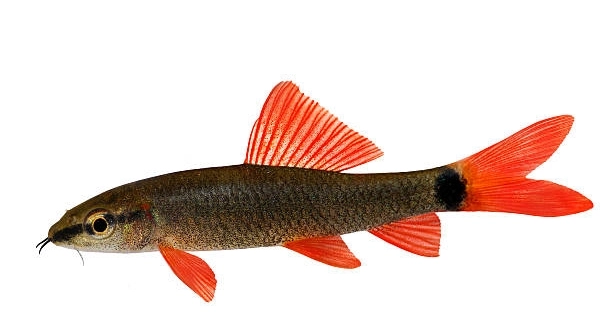
Rainbow sharks are popular freshwater fish known for their vibrant colors and active nature. Many aquarium owners want to create a comfortable and healthy environment for these unique fish. Proper care helps ensure they thrive in a home tank setting.
To make your rainbow shark feel more at home, focus on maintaining clean water, providing enough swimming space, and including hiding spots. A balanced diet and stable water conditions are essential for their health and well-being in captivity.
These tips will help you create a better habitat for your rainbow shark. Following them supports your fish’s comfort and long-term happiness in the tank.
Create Plenty of Hiding Spots
Rainbow sharks appreciate having places to hide. Including caves, plants, and decorations in the tank helps them feel secure. When these fish have a space to retreat, they are less likely to feel stressed or territorial. Stress can weaken their immune system, making them vulnerable to illness. Using smooth rocks and plastic or live plants creates a natural environment. Avoid sharp objects that could injure their delicate fins. Rearranging the tank occasionally also keeps the environment interesting for your fish, preventing boredom and aggressive behavior. The more your rainbow shark feels safe, the healthier and more active it will be in the aquarium.
Providing these hiding spots mimics their natural habitat and reduces anxiety.
A well-planned tank layout benefits both the fish’s comfort and overall tank harmony. It also helps prevent conflicts with other tank mates. This can make your aquarium more enjoyable to watch and easier to maintain.
Maintain Consistent Water Quality
Keeping the water clean and stable is critical for your rainbow shark’s health. They thrive in water with a pH between 6.5 and 7.5 and a temperature around 75-79°F (24-26°C). Frequent water testing and partial water changes prevent harmful buildups of ammonia and nitrates. Using a quality filtration system helps remove waste and toxins. Avoid overfeeding, as uneaten food can pollute the water quickly. When introducing new plants or decorations, rinse them to avoid introducing contaminants. Sudden changes in water conditions cause stress and can lead to illness. Monitoring water parameters regularly ensures a safe environment. This practice supports your rainbow shark’s natural behavior and boosts its immune system. Consistency in water care leads to a longer and healthier life for your fish.
Provide Enough Swimming Space
Rainbow sharks are active swimmers that need room to move freely. A tank size of at least 30 gallons is recommended to accommodate their energy levels. Crowded conditions can lead to stress and aggression toward other fish.
Ensuring ample swimming space reduces territorial disputes and encourages natural behaviors. The tank should be longer than it is tall to support their preference for horizontal swimming near the bottom and middle levels. Avoid overcrowding by carefully selecting tank mates. Proper space allows your rainbow shark to explore and stay healthy without feeling confined.
Adding open swimming areas combined with hiding spots creates a balanced environment. This helps your fish stay active, calm, and more visually appealing in the aquarium. Regularly check if the tank size still suits their growth and activity needs.
Offer a Balanced Diet
Rainbow sharks are omnivores and benefit from a varied diet including flakes, pellets, and live or frozen foods like bloodworms or brine shrimp. Feeding them high-quality food ensures proper nutrition and vibrant colors.
Feeding small amounts two to three times daily prevents overeating and reduces waste buildup in the tank. Including vegetable matter such as blanched spinach or zucchini helps mimic their natural diet and supports digestion. Avoid feeding only one type of food to prevent nutritional deficiencies.
Occasionally offering treats like freeze-dried foods can stimulate appetite and add variety. Monitor their eating habits closely to adjust portions and food types as needed. Proper feeding habits contribute to your rainbow shark’s energy, color, and overall well-being.
Keep Tank Lighting Moderate
Rainbow sharks prefer moderate lighting that mimics their natural habitat. Too much light can stress them, causing hiding or inactivity. Use dimmable or adjustable lights to find the right balance.
Providing shaded areas with plants or decorations helps fish escape bright light. This creates a more comfortable and natural environment for your rainbow shark.
Monitor Tank Mates Carefully
Rainbow sharks can be territorial, especially in smaller tanks. Choose peaceful, non-aggressive species that won’t provoke fights. Avoid other bottom dwellers competing for space.
Maintain Stable Temperature
Consistent temperature around 75-79°F (24-26°C) supports your rainbow shark’s metabolism and immune system. Sudden fluctuations can cause stress and illness. Use a reliable heater and thermometer for accuracy.
Regular Tank Cleaning
Regular cleaning removes waste and prevents harmful bacteria buildup. Perform partial water changes weekly and clean the substrate carefully without disturbing the beneficial bacteria colonies.
FAQ
How often should I feed my rainbow shark?
Feeding your rainbow shark two to three times daily in small portions works best. Overfeeding can pollute the tank, while underfeeding affects their energy and color. Monitor their appetite and adjust amounts as needed. A balanced diet including flakes, pellets, and occasional live or frozen foods keeps them healthy.
Can rainbow sharks live with other fish?
Yes, but choose tank mates carefully. Rainbow sharks are territorial and may become aggressive in small tanks or with similar bottom-dwelling species. Peaceful fish that occupy different tank levels are better companions. Avoid overcrowding and provide plenty of hiding spots to reduce conflicts.
What water parameters are ideal for rainbow sharks?
Maintain a temperature between 75-79°F (24-26°C), pH between 6.5 and 7.5, and moderate hardness. Consistent water quality is vital. Use a good filtration system and perform regular water tests. Partial water changes help keep ammonia and nitrate levels low, supporting your fish’s health.
How large should the tank be for a rainbow shark?
A minimum of 30 gallons is recommended. Rainbow sharks are active swimmers that require enough space to move freely. Larger tanks help reduce territorial behavior and stress. A longer tank is preferable to accommodate their swimming style near the bottom and middle.
Why is my rainbow shark hiding all the time?
Hiding is normal, especially if the fish feels stressed or threatened. Lack of hiding spots or poor water conditions can increase hiding behavior. Ensure the tank includes caves, plants, and decorations. Check water parameters and tank mates to reduce stress and encourage more activity.
What should I do if my rainbow shark shows signs of illness?
Signs like clamped fins, lethargy, loss of appetite, or spots indicate illness. Test water quality immediately and correct any issues. Quarantine sick fish if possible and consider consulting a vet or experienced aquarist. Prompt action improves chances of recovery.
Is live food necessary for a rainbow shark’s diet?
Live food isn’t necessary but can provide enrichment and variety. Frozen or freeze-dried bloodworms and brine shrimp offer similar benefits. A balanced diet with quality flakes or pellets and occasional treats supports good health and coloration.
How can I reduce aggression in my rainbow shark?
Provide enough space, hiding spots, and choose compatible tank mates. Avoid overcrowding and maintain stable water conditions. Rearranging decorations periodically can disrupt territorial boundaries and reduce aggression. Observing fish behavior helps identify triggers early.
How often should I clean the tank?
Partial water changes of 20-30% weekly help maintain clean water. Clean the substrate gently to avoid disturbing beneficial bacteria. Regular filter maintenance supports effective waste removal. Keeping a consistent cleaning schedule prevents toxin buildup and promotes fish health.
Can rainbow sharks live alone?
Yes, they can live alone and often thrive without tank mates. This eliminates territorial disputes but requires sufficient tank size and enrichment. Solo tanks allow better control of water quality and feeding routines tailored specifically to your rainbow shark.
Final Thoughts
Taking care of a rainbow shark requires attention to several important details. Creating a safe and comfortable environment is key to helping this fish thrive. From providing enough swimming space to maintaining good water quality, each step contributes to the overall well-being of the fish. It is important to remember that rainbow sharks are active and territorial, so their needs differ from many other aquarium fish. Meeting these needs leads to a healthier and more vibrant rainbow shark that shows natural behaviors and stays active in the tank.
Providing hiding spots and moderate lighting helps reduce stress, making the fish feel secure in its surroundings. Stress can affect a fish’s immune system and lead to health problems, so preventing it is a priority. Feeding a balanced diet with a variety of foods supports strong coloration and energy. Avoiding overfeeding and maintaining clean water prevents many common issues in home aquariums. Consistent care with regular monitoring of water conditions and tank mates ensures the fish remains comfortable. These daily efforts add up to a happy and long-living rainbow shark.
While rainbow sharks can be territorial, careful tank planning and choosing peaceful companions help reduce conflicts. A stable temperature and good filtration system are essential for maintaining a healthy environment. Regular partial water changes and tank cleaning keep toxins low and promote good water quality. Observing the fish’s behavior regularly allows you to catch any problems early. With patience and proper care, your rainbow shark will adapt well and become a striking centerpiece in your aquarium. Keeping these basic principles in mind will help you provide the best home possible for your fish.

Hello,
If you enjoy the content that we create, please consider saying a "Thank You!" by leaving a tip.
Every little bit helps us continue crafting quality advice that supports the health, happiness, and well-being of pets around the world, for pets of all shapes, sizes, and species.
We really appreciate the kindness and support that you show us!