
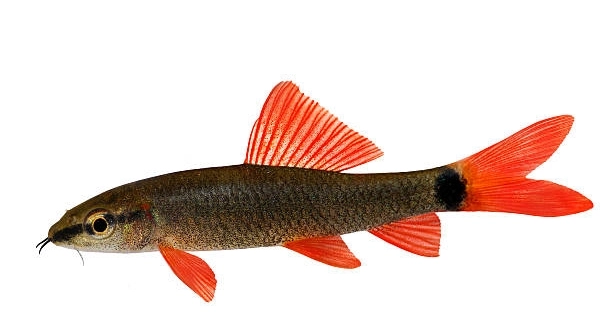
Have you ever found yourself worrying about your rainbow shark’s behavior or appearance, unsure if something might be wrong?
Rainbow sharks can experience a range of common health issues, including infections, stress-related conditions, and dietary imbalances. Identifying these problems early and providing proper care can help improve recovery and overall well-being.
Knowing what signs to look for can help you take better care of your fish and create a safer, healthier environment in your tank.
White Spot Disease (Ich)
White spot disease is one of the most common issues rainbow sharks face. It’s caused by a parasite that shows up as tiny white dots on the fish’s body and fins. These spots look like grains of salt and can make the fish scratch against surfaces. The fish may also breathe quickly or become less active. This condition spreads fast, especially in tanks with poor water quality or sudden temperature changes. You can treat it with over-the-counter ich medications found in pet stores. Raising the water temperature slightly can also help speed up the parasite’s life cycle, making treatment more effective. Make sure to remove any carbon filters from your setup before using medication, as they can absorb the treatment. Keep the water clean, test it often, and quarantine any new fish before adding them to your main tank to prevent future outbreaks. Acting quickly is important to protect your fish.
Ich usually clears up within a week or two if you treat it early and follow the instructions carefully.
Sticking to a regular cleaning schedule, avoiding temperature swings, and choosing healthy fish from the start can all reduce the chances of your rainbow shark getting ich. It’s also helpful to use a separate tank for new arrivals.
Fin Rot
Fin rot is a bacterial or fungal infection that makes a rainbow shark’s fins look torn, ragged, or milky.
This issue often starts due to stress, overcrowding, or dirty water. If left untreated, it can spread and even lead to permanent fin damage. The first thing to do is check your water conditions—ammonia, nitrite, and nitrate levels should be in a safe range. Use a good water conditioner, and remove any uneaten food that might decay. You can treat fin rot with antibacterial fish medications available at pet stores. Choose a treatment that matches the type of infection (bacterial or fungal), and follow the dosage closely. Be sure to clean the tank before and after treatment to prevent further infection. You might also want to move the affected fish to a separate tank for treatment if other fish are healthy. Avoid using sharp decorations in the tank that could cause injury and lead to infections. Prevention starts with good tank maintenance.
Swim Bladder Disorder
Swim bladder disorder causes your rainbow shark to swim awkwardly, float upside down, or sink to the bottom. It often stems from overeating, constipation, or poor water quality.
To help your fish recover, start by not feeding it for a day or two. This gives the digestive system time to clear out. After the short fast, offer a small amount of blanched, shelled peas. These are easier to digest and may relieve any blockage. Make sure the water is clean, well-filtered, and within the right temperature range. Avoid overfeeding moving forward—give only what your fish can finish in a minute or two. You may also consider feeding smaller portions twice a day rather than one large feeding. If symptoms don’t improve within a few days, medication isn’t usually needed unless there’s a bacterial cause. In that case, consult a vet or a fish expert.
Preventing this condition means watching your fish’s diet and keeping the tank clean. Overfeeding is one of the most common triggers. Make it a habit to feed your rainbow shark on a schedule and remove uneaten food right away. This simple routine helps keep digestion smooth and reduces the chances of swim bladder issues developing again.
Skin Flukes
Skin flukes are tiny parasites that attach to your fish’s body and cause irritation. You may notice rubbing, rapid gill movement, or even small red marks.
A microscope is needed to confirm a fluke infestation, but symptoms can give early clues. These parasites often show up in overcrowded tanks or after adding new fish without quarantine. Treatment usually includes antiparasitic medications like praziquantel, which is safe for most aquarium fish. Follow the product’s dosing instructions carefully, and remove any carbon from your filter during treatment. Cleaning the tank and changing part of the water before treatment can help reduce parasite numbers. Repeat the treatment if needed, as flukes can reproduce quickly. Always monitor your fish during and after treatment to make sure it’s working. Keep your tank stocked lightly and avoid sharing equipment between tanks without disinfecting. A calm, clean tank environment makes it harder for skin flukes to take hold.
Fungal Infections
Fungal infections usually appear as white, cotton-like patches on the body or fins. These often develop after an injury or when the fish is stressed.
Treat with an antifungal medication made for aquarium fish. Keep the water clean and remove any sharp or rough objects that could cause injury.
Ammonia Poisoning
Ammonia poisoning can happen quickly and is very dangerous for rainbow sharks. It’s caused by waste buildup in the tank. Symptoms include red or inflamed gills, gasping near the surface, or lethargy. Test the water right away—ammonia levels should be zero. Do a partial water change immediately and stop feeding for a day. Add a water conditioner that detoxifies ammonia. Improve your filtration system if needed, and clean the tank more often. Overfeeding and overcrowding are common causes of ammonia buildup, so feed lightly and avoid adding too many fish at once. Keep an eye on water parameters every week to catch problems early.
Internal Parasites
Look for weight loss, loss of appetite, or stringy white poop. These are signs of internal parasites that can weaken your rainbow shark over time.
FAQ
How can I tell if my rainbow shark is sick?
A sick rainbow shark may stop eating, become less active, or hide more than usual. Look for physical signs like torn fins, faded colors, white spots, or cottony growths on the skin. Rapid breathing, rubbing against objects, or unusual swimming patterns are also clear signals something is wrong. Keeping a close eye on your shark’s behavior helps you notice changes early. If anything looks off, start by testing the water quality. Many health issues begin with poor tank conditions. The sooner you act, the easier it is to treat the problem and help your fish feel better.
Why is my rainbow shark suddenly aggressive?
Rainbow sharks are territorial by nature. If they become more aggressive, it could mean the tank is too small or overcrowded. A cramped environment increases stress and triggers defensive behavior. Try rearranging decorations to break up sightlines, and make sure there are hiding spots for all fish. It’s best to keep only one rainbow shark per tank, especially in smaller setups. Adding similar-shaped or bottom-dwelling fish may also spark aggression. Keep the water clean and the environment stable—stressed fish are more likely to lash out. A larger tank and careful selection of tank mates can make a big difference.
What’s the best water temperature for a rainbow shark?
Rainbow sharks do best in water that’s between 75°F and 80°F (24°C to 27°C). Keeping the temperature steady is just as important as getting the right range. Sudden changes can lead to stress or sickness. Use a reliable heater and thermometer to monitor the water. Avoid placing the tank in direct sunlight or near windows where temperatures might rise or fall quickly. If your home tends to fluctuate in temperature, consider using a heater with a thermostat. Consistent warmth helps with digestion, immunity, and overall energy levels, keeping your fish healthier and more active.
Can I treat sick fish without medication?
For mild issues, yes. Some problems like constipation or early swim bladder disorder can be managed by adjusting diet and water conditions. Fasting your fish for a day or two, then feeding a blanched, shelled pea, can help. Clean water is the most important non-medicated treatment—many health problems improve with better water quality. However, more serious conditions like parasites or fin rot often need medication. You can try isolating the fish in a hospital tank to monitor it closely. Still, if symptoms don’t improve quickly, using the correct treatment is usually the safest and most effective option.
How often should I clean my tank to avoid illness?
A good routine is doing partial water changes every week—around 20–30% of the tank volume. Clean the gravel with a siphon to remove waste buildup. Wipe down the inside of the glass and rinse filter media in tank water (not tap water) once a month to keep beneficial bacteria alive. Regular water testing is important—check ammonia, nitrite, nitrate, and pH levels at least weekly. Overfeeding causes a lot of waste, so feed only what your rainbow shark can eat in a couple of minutes. Cleanliness is key for preventing illness and keeping your fish comfortable.
Can stress make my rainbow shark sick?
Yes, stress plays a big role in fish health. When a rainbow shark is stressed, its immune system weakens, making it easier for infections or parasites to take hold. Causes of stress include poor water quality, sudden temperature changes, aggressive tank mates, overcrowding, or loud noises near the tank. Even frequent rearranging of decorations can bother your fish. Try to keep things calm and consistent. Limit big changes and always acclimate new fish slowly. A peaceful tank helps your rainbow shark stay healthier, recover faster from illness, and enjoy a longer, more stable life.
Final Thoughts
Taking care of a rainbow shark means more than just feeding it and keeping the tank clean. These fish are active, territorial, and sensitive to changes in their environment. When their needs aren’t met, they can become stressed or sick. Many of the most common health problems—like ich, fin rot, or ammonia poisoning—are often linked to poor water conditions or stress. This is why regular tank maintenance and water testing are so important. A clean, stable tank gives your rainbow shark a better chance at staying healthy. It also helps you spot problems early before they get worse.
Watching your fish closely helps a lot. Pay attention to how your rainbow shark swims, eats, and behaves. If you notice something different, take the time to check the tank conditions and make adjustments as needed. Acting early can make a big difference. You don’t need to be an expert to care for a rainbow shark, but you do need to stay consistent. Small things like not overfeeding, keeping up with weekly water changes, and providing enough space can go a long way. Using a quarantine tank for new fish is also a smart step that many people skip but really helps prevent disease.
In the end, rainbow sharks are strong fish when they’re cared for properly. Most of their health issues are treatable, especially if you catch them early. Good habits make all the difference. Take the time to set up the right tank, choose healthy fish, and stay on top of maintenance. Your rainbow shark can live for many years if kept in a safe and stable home. It may take some effort, but the reward is seeing your fish active, healthy, and thriving. Learning what to look out for and how to respond makes you a more confident fish keeper, and it helps your fish live a longer, better life.

Hello,
If you enjoy the content that we create, please consider saying a "Thank You!" by leaving a tip.
Every little bit helps us continue crafting quality advice that supports the health, happiness, and well-being of pets around the world, for pets of all shapes, sizes, and species.
We really appreciate the kindness and support that you show us!