
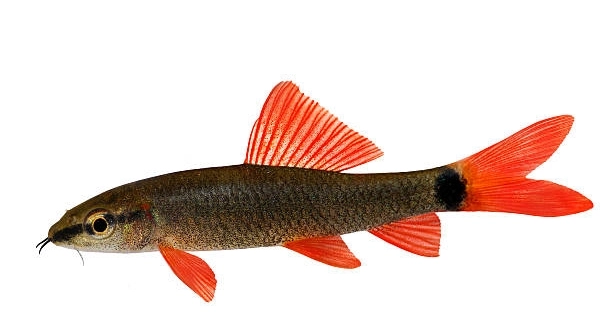
Keeping a Rainbow Shark tank balanced can be challenging for many hobbyists. Overcrowding the tank often leads to stress, health problems, and disrupted ecosystems for these active fish. Proper care requires attention to the number of fish and tank size.
Overcrowding in a Rainbow Shark tank occurs when the fish population exceeds the tank’s capacity, reducing swimming space and increasing waste. This imbalance results in aggressive behavior, poor water quality, and higher risks of disease. Maintaining appropriate stocking levels is essential.
Managing tank population correctly ensures your Rainbow Sharks stay healthy and vibrant. The following tips will help maintain a safe and comfortable environment for your fish.
Choose the Right Tank Size
Choosing the right tank size is crucial to avoid overcrowding your Rainbow Shark tank. These fish need ample space to swim and establish territories. A small tank can cause stress and aggression because the fish feel confined. For one Rainbow Shark, a minimum of 30 gallons is recommended. If you plan to keep multiple sharks, increase the tank size accordingly. A larger tank also helps dilute waste and maintain better water quality, which keeps fish healthier. Remember, providing enough space reduces competition and aggression among the fish, making the environment more peaceful. Investing in a tank that suits the number and size of your fish will pay off in their long-term well-being.
Proper tank size ensures your Rainbow Sharks have room to grow and thrive, minimizing conflicts and health problems related to overcrowding.
Knowing how tank size impacts your fish will help you create a balanced and stress-free environment. It is essential to match your tank dimensions with the number of Rainbow Sharks and other inhabitants to maintain harmony in the aquarium.
Monitor Water Quality Regularly
Maintaining good water quality is essential to prevent overcrowding effects. Poor water conditions can quickly worsen in crowded tanks.
Water quality directly influences fish health and behavior. In overcrowded tanks, waste accumulates faster, increasing ammonia, nitrite, and nitrate levels. These toxins stress fish and weaken their immune systems, making them vulnerable to illness. Regular water tests help detect harmful substances before they reach dangerous levels. Frequent water changes and proper filtration are key to keeping the environment stable. Overcrowding worsens water quality because more fish produce more waste. A well-maintained tank balances waste production and removal, creating a safe habitat. Keeping the tank clean reduces aggression, improves fish coloration, and promotes growth. Using a reliable test kit and following a maintenance schedule will keep water parameters optimal, supporting healthy Rainbow Sharks and tank mates alike.
Consistent monitoring and maintenance are necessary to protect your fish from the effects of overcrowding. This approach helps preserve water quality and prevents health issues related to toxic buildup in the tank.
Avoid Mixing Aggressive Fish
Rainbow Sharks can be territorial, especially in crowded tanks. Avoid housing them with aggressive or similarly territorial fish that might cause fights or stress. Aggression increases when space is limited, making it important to choose peaceful tank mates.
Choosing compatible species reduces stress and injury among fish. Avoid fast-moving or aggressive species that compete for territory or food. Instead, select peaceful fish that occupy different tank levels or have calm temperaments. This balance minimizes conflicts and helps maintain a peaceful tank environment. Aggressive interactions waste energy and can lead to injury or death, which worsens tank conditions. Keeping compatible species together encourages natural behavior and healthy social interactions, improving the overall well-being of your Rainbow Sharks.
Maintaining harmony in the tank requires attention to fish personalities and space needs. Selecting the right companions supports peaceful coexistence and reduces overcrowding stress.
Provide Plenty of Hiding Spots
Rainbow Sharks need hiding spots to feel secure and reduce stress. When space is limited, hiding places help prevent aggressive behavior. Use plants, caves, or decorations to create these areas.
Hiding spots break up open swimming space and create territories. This gives each fish a place to retreat, reducing competition and aggression. Dense plants or rock formations offer shelter and improve the tank’s natural appearance. Well-placed hiding places encourage fish to explore and reduce boredom, which supports healthier behavior. When fish have refuge, they are less likely to fight or chase each other. Avoid overcrowding decorations, as this can reduce swimming space too much. Balancing hiding spots with open areas ensures your Rainbow Sharks can swim freely while feeling safe.
Adding hiding places promotes a calm environment, reducing stress and territorial disputes. This improves fish health and contributes to a more balanced aquarium ecosystem.
Feed Properly and Avoid Overfeeding
Feeding your Rainbow Sharks the right amount is important to avoid overcrowding problems. Overfeeding increases waste, which worsens water quality and stresses fish. Stick to a feeding schedule with appropriate portions.
Excess food decays quickly and pollutes the tank. Feeding small amounts once or twice daily helps maintain clean water and reduces algae growth. Balanced nutrition supports fish health and energy levels. Avoid leftover food by observing how much your fish eat within a few minutes.
Maintain Proper Filtration
A strong filtration system is essential in managing waste from your Rainbow Sharks. Filters remove harmful toxins and keep water clean, helping fish stay healthy.
Control Tank Decorations
Avoid overcrowding the tank with too many decorations. Overloading can reduce swimming space and increase territorial disputes among fish.
How many Rainbow Sharks can I keep in one tank?
The general recommendation is one Rainbow Shark per 30 gallons of water. These fish are territorial and need plenty of space to swim and establish their own area. Keeping more than one in a smaller tank often leads to stress and aggressive behavior. If you want multiple sharks, increase the tank size accordingly to provide enough room for each fish to avoid conflicts.
What tank size is ideal for a Rainbow Shark?
A minimum of 30 gallons is suitable for a single Rainbow Shark. This size provides enough swimming space and helps maintain good water quality. Larger tanks are better if you plan to keep more fish or other species alongside the shark. Proper tank size supports healthy fish behavior and reduces overcrowding problems.
Can Rainbow Sharks live with other fish?
Yes, but careful selection is necessary. Rainbow Sharks can be territorial, so it’s best to avoid aggressive or very active fish. Peaceful tank mates that occupy different parts of the tank work well. Bottom-dwellers and slower swimmers usually coexist peacefully with Rainbow Sharks.
Why is my Rainbow Shark acting aggressive?
Aggression often results from overcrowding or lack of hiding spots. When space is limited, Rainbow Sharks become territorial and defensive. Poor water quality can also cause stress, leading to aggressive behavior. Make sure the tank is large enough and provides hiding places to reduce tension.
How often should I clean the tank?
Regular maintenance is crucial. Partial water changes of 20-30% weekly or biweekly keep water parameters stable. Cleaning the substrate and filter prevents buildup of waste and toxins. Consistent tank care improves fish health and reduces overcrowding effects.
What should I feed my Rainbow Shark?
Rainbow Sharks are omnivores and thrive on a varied diet. Offer high-quality sinking pellets as a staple, supplemented with vegetables like zucchini or peas, and occasional live or frozen foods such as bloodworms. Balanced feeding supports their growth and vibrant colors.
How do I know if my tank is overcrowded?
Signs include frequent fish aggression, poor water quality, stressed or hiding fish, and sluggish behavior. Overcrowding increases waste and competition for space, causing these issues. Regularly assess fish numbers and tank conditions to maintain balance.
What are the risks of overcrowding a Rainbow Shark tank?
Overcrowding leads to poor water quality, stress, increased disease risk, and aggressive behavior. It reduces swimming space and makes it hard for fish to establish territories. These factors combine to harm fish health and shorten their lifespan.
Can decorations affect overcrowding?
Yes. While decorations provide hiding spots, too many can reduce swimming space and increase territorial disputes. It’s important to balance decoration quantity with open areas, allowing fish room to swim freely and feel secure.
How important is filtration for a Rainbow Shark tank?
Filtration is very important. It removes waste, toxins, and debris, maintaining clean water. Good filtration supports healthy fish and reduces the negative effects of overcrowding by managing waste buildup efficiently. Choose a filter rated for your tank size and maintain it regularly.
Maintaining a healthy Rainbow Shark tank requires careful attention to several key factors. Overcrowding is one of the most common problems that can affect the well-being of these fish. When too many Rainbow Sharks or other fish are kept in a tank that is too small, it creates stress, aggressive behavior, and poor water quality. These issues lead to health problems and can shorten the lifespan of the fish. Taking the time to set up an appropriately sized tank, monitor water conditions, and manage the number of fish is essential for creating a balanced environment. Proper care ensures that the fish can live comfortably and display their natural behaviors.
Providing enough space is only one part of maintaining a good tank. Other important factors include choosing compatible tank mates, offering hiding spots, feeding the fish correctly, and keeping the water clean with proper filtration. Each of these elements plays a role in reducing stress and aggression. For example, hiding places give Rainbow Sharks a way to feel secure and reduce conflicts over territory. Feeding the right amount of food prevents excess waste, which can harm water quality. Regular water changes and filter maintenance are needed to keep toxins at safe levels. By addressing these details, tank owners can create a stable habitat that promotes healthy fish.
In summary, avoiding overcrowding is about more than just counting fish. It involves understanding the needs of Rainbow Sharks and how tank conditions affect their health. When these fish have enough space, clean water, peaceful companions, and hiding spots, they are less likely to fight or become stressed. This leads to a more enjoyable aquarium experience and healthier fish. Careful planning and ongoing maintenance are the best ways to ensure a thriving Rainbow Shark tank over time.

Hello,
If you enjoy the content that we create, please consider saying a "Thank You!" by leaving a tip.
Every little bit helps us continue crafting quality advice that supports the health, happiness, and well-being of pets around the world, for pets of all shapes, sizes, and species.
We really appreciate the kindness and support that you show us!