
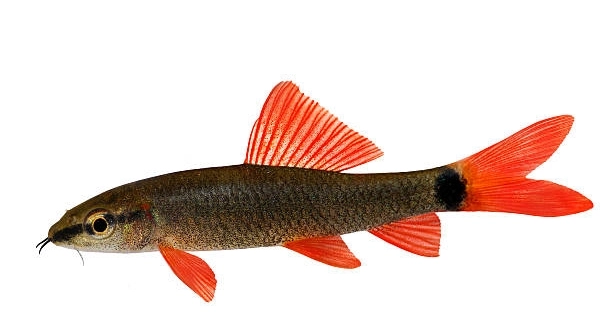
Rainbow sharks are popular aquarium fish known for their bright colors and active behavior. However, they sometimes show aggressive tendencies that can surprise many fish keepers. Understanding what causes this aggression can help maintain a peaceful tank environment.
Rainbow shark aggression often results from overcrowding, territorial disputes, lack of hiding spots, poor water quality, incompatible tank mates, inadequate diet, or stress. These factors can trigger defensive or dominant behavior, leading to frequent clashes and injuries among fish.
Recognizing these common causes is essential for managing your aquarium effectively and ensuring your rainbow sharks thrive in a calm and healthy space.
Overcrowding and Limited Space
Rainbow sharks need enough room to swim and claim their own territory. When the tank is overcrowded, they feel threatened and become aggressive to protect what they see as their space. Small tanks make it harder for them to escape from each other, increasing stress and tension. Crowding also limits oxygen and causes water to become dirty faster, both of which negatively affect their behavior. When rainbow sharks cannot find enough space to move freely, they act out with chasing and biting. Giving them enough swimming room helps reduce these aggressive tendencies. A tank of at least 55 gallons is often recommended for keeping rainbow sharks comfortable and calm. Providing visual barriers like plants or decorations also gives them safe hiding spots.
Crowding restricts their natural behavior, making aggression more likely.
Making sure the tank is large enough and well-structured creates a better environment where rainbow sharks can coexist peacefully.
Territorial Behavior
Rainbow sharks are naturally territorial fish, especially as they mature. They defend their chosen areas vigorously, often chasing away other fish that come too close. This behavior increases if the tank lacks sufficient hiding spaces or visual breaks. A fish that feels its territory is invaded will react with aggression to maintain control. Placing decorations and plants around the tank helps break up open spaces and reduces direct line of sight, which can lower territorial disputes. Separating aggressive individuals or adding fish that are less likely to provoke them can also improve harmony.
Territorial instincts cause most rainbow shark aggression in community tanks.
Understanding their natural need for territory and managing tank layout accordingly helps keep fights to a minimum and promotes a peaceful aquarium environment.
Lack of Hiding Spots
Rainbow sharks feel safer when they have places to hide. Without enough cover, they become stressed and more likely to act aggressively. Providing caves, plants, and decorations gives them safe spaces to retreat and lowers tension in the tank.
When rainbow sharks have hiding spots, their aggression decreases. These shelters allow shy or weaker fish to avoid constant confrontations. In a tank with only open swimming areas, dominant sharks patrol aggressively to claim control. Hiding places also mimic their natural habitat, improving their comfort. Natural or artificial caves and dense plants help create peaceful zones. When fish can rest away from threats, overall stress levels drop. This prevents the aggressive chasing that can cause injury or exhaustion.
Adding a variety of hiding spots encourages natural behavior and helps maintain a calm tank atmosphere. It’s an easy and effective way to reduce conflicts.
Poor Water Quality
Dirty water causes stress that often triggers aggression in rainbow sharks. Ammonia, nitrite, and nitrate levels build up quickly in poorly maintained tanks, hurting fish health. Regular water changes and filtration keep water clean and safe.
Stress from bad water quality weakens fish immune systems and makes them more prone to fighting. Pollutants irritate their skin and gills, causing discomfort and restlessness. This discomfort may lead to more biting and chasing as sharks act out. Proper filtration helps remove waste and toxins. Testing water parameters regularly ensures the environment stays balanced. Keeping water clean improves not only aggression but also fish longevity. Many keepers notice calmer fish after improving their tank maintenance routine.
Maintaining good water quality is critical to reducing rainbow shark aggression and promoting overall health.
Incompatible Tank Mates
Rainbow sharks may become aggressive when housed with fish that do not match their temperament or size. Stress and competition for food or space can increase tensions quickly.
Choosing peaceful, similarly sized fish reduces aggression. Avoid keeping rainbow sharks with overly aggressive or very small species.
Inadequate Diet
A poor diet can cause frustration and increased aggression in rainbow sharks. They need a balanced mix of proteins and vegetables to stay healthy and calm.
Feeding high-quality pellets, flakes, and occasional live or frozen foods meets their nutritional needs. Uneaten food should be removed promptly to keep the tank clean.
Stress
Stress is a major factor that triggers aggression in rainbow sharks. Changes in environment, poor water quality, or constant disturbances can make them irritable and more prone to fights.
What causes rainbow sharks to be aggressive?
Rainbow sharks often show aggression due to territorial behavior, overcrowding, lack of hiding spots, poor water quality, incompatible tank mates, inadequate diet, and stress. These factors create an environment where the fish feel threatened or uncomfortable, prompting defensive or dominant actions. Territorial instincts drive them to protect their space, especially if the tank is too small or lacks visual barriers. Overcrowding increases competition for resources and escalates tension. Without enough places to hide, they cannot escape potential threats, raising stress and aggressive behavior. Poor water conditions cause irritation and weaken their immune system, leading to irritability. Feeding them a poor diet also affects their mood. When combined, these conditions make rainbow sharks more likely to chase, nip, and fight other fish.
How can I reduce aggression in my rainbow shark?
Reducing aggression involves creating a comfortable and spacious environment. Start with a tank of at least 55 gallons to provide enough swimming space. Add plenty of decorations, plants, and caves for hiding spots and visual breaks to reduce territorial disputes. Maintain good water quality by performing regular water changes and using efficient filtration to remove toxins. Choose compatible tank mates that are peaceful and similar in size to avoid stress from bullying or competition. Feed a balanced diet with quality pellets, flakes, and occasional live or frozen foods to meet nutritional needs. Avoid sudden changes in the tank setup and minimize disturbances to keep stress low. These steps help rainbow sharks feel secure and reduce aggressive displays.
Are rainbow sharks aggressive towards all fish?
Rainbow sharks can be aggressive toward many fish, but not all. They tend to be more hostile toward species that invade their territory or resemble rivals. Smaller, slower, or less active fish might be targeted more frequently. Fish that swim in the same tank areas or have similar body shapes can also trigger aggression. However, rainbow sharks usually ignore fast-moving or larger fish that don’t threaten their space. Choosing peaceful, active, and similarly sized tank mates reduces conflict. Keeping tank decorations and hiding places well distributed also helps prevent direct confrontations by allowing fish to avoid each other.
Can aggression cause harm to rainbow sharks?
Yes, aggression can lead to injuries, stress, and even death. When rainbow sharks chase or nip each other or other fish, it can cause torn fins, skin wounds, or infections. Constant fighting also exhausts the fish and weakens their immune system. Stress from aggression may reduce their appetite and lower resistance to disease. In some cases, overly aggressive sharks may become isolated, refusing to eat or hiding excessively. Ensuring proper tank conditions and reducing triggers of aggression helps prevent harm and supports their overall well-being.
How do tank size and layout affect aggression?
Tank size and layout play a crucial role in managing aggression. Small tanks limit space and increase competition for territory, making rainbow sharks more defensive. A larger tank offers enough room for each fish to establish their own area and avoid conflict. The layout should include plenty of hiding spots and visual barriers like plants and decorations to break up open spaces. These elements help reduce direct line of sight between fish, lowering territorial disputes. A well-planned tank layout encourages natural behavior and peaceful coexistence, decreasing aggression.
What signs show that a rainbow shark is stressed or aggressive?
Signs of stress or aggression include chasing, nipping, fin damage, and frequent hiding. Aggressive rainbow sharks may patrol the tank actively, chasing other fish repeatedly. They might show torn fins or red marks from fights. Stress can cause loss of appetite, lethargy, or abnormal swimming patterns such as darting or hiding too much. Increased breathing rates and clamped fins are also common signs. Observing these behaviors early helps address issues before they worsen.
How often should I feed my rainbow shark to avoid aggression?
Feeding rainbow sharks 1–2 times daily with appropriate portions helps prevent hunger-related aggression. Overfeeding should be avoided to keep the water clean and prevent health problems. Balanced meals including protein and vegetable matter satisfy their dietary needs and keep them calm. Remove leftover food to avoid fouling the tank. Regular feeding routines help maintain their health and reduce stress-induced aggressive behavior.
Can adding plants and decorations really reduce aggression?
Yes, adding plants and decorations provides shelter and breaks the tank into smaller territories. This reduces direct confrontations by limiting line of sight between aggressive fish. Hiding spots allow rainbow sharks to retreat and feel safe, lowering stress levels. Natural-looking environments also encourage normal behaviors, which decreases aggression. A well-decorated tank helps keep the community peaceful.
Is it normal for rainbow sharks to be aggressive at night?
Rainbow sharks are more active during dawn and dusk but can show aggression any time. Aggression at night might occur if the tank is overcrowded or stressful. Low lighting may reduce activity but not eliminate territorial disputes. Ensuring enough space and hiding spots helps minimize nighttime aggression.
What should I do if my rainbow shark keeps attacking other fish?
If aggression continues despite adjustments, consider separating the aggressive individual temporarily. Reassess tank size, water quality, and diet. Adding more hiding spots or rearranging decorations can help. Sometimes, aggressive behavior decreases as fish settle in, but persistent aggression may require rehoming the shark or changing tank mates. Always prioritize fish health and safety.
When keeping rainbow sharks, understanding their behavior is key to maintaining a peaceful aquarium. These fish can be aggressive for several reasons, including territorial instincts, lack of space, or stress. Recognizing what makes them act out helps create an environment where they feel safe and comfortable. Giving them enough room to swim and settle into their own territory reduces the chances of fights. It’s important to remember that aggression is often a sign that something in the tank needs to be adjusted, not just a bad habit of the fish.
Maintaining good water quality and a balanced diet also plays a big role in keeping rainbow sharks calm. Dirty water or poor nutrition can make any fish more irritable. Regular water changes and proper filtration keep the tank clean and healthy, while feeding them a mix of quality pellets and occasional live or frozen foods ensures they get the nutrients they need. When these basics are in place, rainbow sharks tend to be less stressed and less aggressive. Adding hiding spots and decorations helps them feel secure and reduces competition for space.
If aggression still happens, it’s helpful to look at tank mates and tank size again. Rainbow sharks do better with fish that are peaceful and about the same size. Overcrowded tanks cause stress and fighting, so giving your fish plenty of space is always a good idea. Sometimes a simple change like rearranging decorations or separating overly aggressive fish can make a big difference. With patience and care, it’s possible to create a tank where rainbow sharks and other fish live together calmly and happily.

Hello,
If you enjoy the content that we create, please consider saying a "Thank You!" by leaving a tip.
Every little bit helps us continue crafting quality advice that supports the health, happiness, and well-being of pets around the world, for pets of all shapes, sizes, and species.
We really appreciate the kindness and support that you show us!