
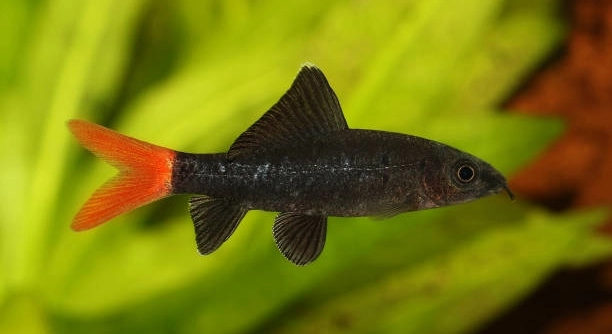
Is your rainbow shark acting differently lately, making you wonder if it’s truly comfortable living with the other fish in your tank?
A rainbow shark that is happy with its tankmates typically displays calm swimming, healthy appetite, and consistent coloring. Aggression, hiding, or faded colors may signal stress. Observing behavior and tank dynamics is essential for their well-being.
By understanding these signs, you can better support a peaceful environment and ensure your rainbow shark lives comfortably among its aquatic companions.
They Swim Calmly Around the Tank
A rainbow shark that feels secure with its tankmates will swim with ease and confidence. You’ll notice them exploring the tank without sudden darting or hiding. Calm swimming indicates they aren’t being chased or stressed by aggressive companions. They often glide along the bottom or middle levels of the tank, maintaining a steady pace. If your rainbow shark spends more time swimming normally and less time hiding behind decorations or rocks, it’s a positive sign. When the tank environment feels safe, rainbow sharks become more active during the day, making them easier to observe. Smooth, uninterrupted swimming patterns also show that they aren’t feeling threatened. Keep an eye on how they interact with others. If they’re not being territorial or overly defensive, your shark likely feels at ease. A peaceful tank encourages better health and allows your rainbow shark to develop a natural routine, leading to a more balanced and happy life.
Swimming without sudden movements shows they aren’t stressed or feeling unsafe in their space.
A relaxed rainbow shark won’t stay glued to hiding spots. Occasional rest is normal, but if they’re always visible and calmly moving, it’s a good sign. A secure shark is curious, even approaching other fish gently. These behaviors reflect harmony in the tank.
They Don’t Show Signs of Aggression
Rainbow sharks that are comfortable rarely act aggressively toward tankmates. If yours is behaving peacefully, it’s a sign of healthy social dynamics.
Aggressive behaviors include chasing, fin nipping, or staking out large areas of the tank as territory. A happy rainbow shark won’t constantly chase others or guard cave-like structures. Instead, they may swim near their preferred spot but won’t act out unless provoked. This kind of balance takes time and proper tank setup. The tank should have enough space and hiding areas for all fish. Rainbow sharks are semi-aggressive by nature, so keeping them in a calm state requires compatible tankmates, such as peaceful bottom dwellers or quick-swimming mid-level fish. Consistent, non-aggressive behavior means the shark isn’t feeling the need to compete for space or dominance. If your rainbow shark shares the tank without issue, it’s a sign that its environment supports healthy interactions. Always monitor for any changes, as sudden aggression may point to growing discomfort or stress.
Their Colors Stay Bright and Consistent
Bright, rich coloring is a good sign your rainbow shark feels at ease. Stress often causes fading, especially around the fins or body. Consistent coloring usually means they are not being harassed or feeling threatened by other fish in the tank.
When a rainbow shark is content, its black and red tones stay sharp and vivid. Dull or faded color may be linked to poor social dynamics, including bullying or overcrowding. Lighting and diet do play a role, but behavior changes should not be ignored. If your shark’s color shifts after new tankmates are added, it may be reacting negatively to its environment. On the other hand, stable, bold coloring along with calm swimming means it likely feels safe. Watch for any pale patches or frequent hiding, as those can signal unease. In general, vibrant coloring is a reliable sign of comfort with both surroundings and fellow tank inhabitants.
Regular feeding and healthy water conditions help maintain color, but a peaceful tank is just as important. If your rainbow shark interacts calmly with others and doesn’t guard areas, that’s a sign of comfort. Bright color often reflects both physical health and mental stability. Be mindful of any sudden dullness, which can reveal early signs of stress.
They Eat Without Hesitation
Feeding time says a lot about how comfortable your rainbow shark feels. A happy one swims out to eat without hesitation, often joining others near the bottom. Skipping meals can mean it’s being bullied or feels unsafe.
A confident rainbow shark will leave its favorite hiding spot when it senses food, swimming directly toward the feeding area. It doesn’t wait too long or hide while the other fish eat. If the tank dynamic is positive, feeding is smooth and quick. There’s little to no fighting or chasing, and the shark calmly eats without rushing. On the other hand, hesitation during feeding—like staying in the corner or watching from a distance—can signal anxiety. A dominant tankmate may be blocking access, which leads to missed meals and stress. A consistent feeding response, especially when the shark is actively searching for food alongside others, shows that it feels secure in the group and not threatened.
They Don’t Spend All Day Hiding
A rainbow shark that feels at ease with its tankmates won’t stay hidden all day. While they enjoy resting in caves, constant hiding often means stress or conflict. Comfortable sharks balance hiding with open swimming and exploring.
If your shark swims freely and only hides occasionally, it’s likely feeling secure. Continuous hiding, especially when others are nearby, can be a sign it doesn’t feel safe. A calm environment and compatible tankmates help reduce the need to hide excessively.
Their Movements Look Natural and Smooth
Jerky or frantic swimming often means something is wrong. A happy rainbow shark will glide smoothly around the tank, pausing now and then to rest or explore. They won’t suddenly dart into corners or chase others aggressively. Natural, calm movement reflects a relaxed state. It also helps prevent injuries and stress-related illness. If your shark swims in loops or constantly patrols one area, it could be reacting to tension in the tank. Watch how it moves near others—if it swims past calmly or shares space peacefully, that’s a strong sign it feels stable and not challenged. Tank layout, tankmates, and water quality all influence swimming behavior, so smooth movement usually points to good conditions overall.
They Don’t Chase Tankmates Constantly
Occasional chasing may happen, but frequent or forceful chasing is a red flag. If your rainbow shark coexists without constantly following others, it’s likely feeling secure and not acting out of stress or fear.
FAQ
How can I tell if my rainbow shark is stressed by its tankmates?
Stressed rainbow sharks may hide all day, lose their bright coloring, skip meals, or swim in quick, sharp bursts. You might also see them chasing other fish constantly or acting territorial, guarding a section of the tank. These signs suggest they’re feeling uneasy or threatened. Stress can come from poor tankmate choices, a tank that’s too small, or overcrowding. Watch how your shark behaves during feeding and while interacting with others. If they don’t appear relaxed or swim smoothly, they might be experiencing stress caused by social imbalance or environmental issues.
What are the best tankmates for a rainbow shark?
Ideal tankmates are peaceful, fast-swimming fish that don’t linger near the bottom. Examples include barbs, danios, and some types of tetras. Avoid slow or long-finned species like angelfish, or other bottom dwellers like red-tailed sharks, which may trigger territorial behavior. Rainbow sharks prefer some space to call their own, so tankmates should stay in the middle or upper parts of the tank. It’s also important to provide plenty of hiding spots and open swimming areas. Compatibility depends on tank size, setup, and individual fish personalities, but avoiding overly aggressive or passive species usually works best.
Can rainbow sharks live in groups?
Rainbow sharks are best kept alone or with other fish that don’t look or act like them. Keeping more than one rainbow shark in the same tank often leads to territorial fights. In very large tanks with lots of cover and space, some experienced fish keepers have success with small groups, but it’s still risky. Most people find that one rainbow shark per tank prevents conflict and stress. If you want to try more than one, the tank should be at least 125 gallons, with multiple caves and plants to block sightlines. Even then, fighting may still happen.
Why does my rainbow shark chase only certain fish?
Rainbow sharks sometimes target specific fish they see as a threat or competition. Fish that hang around the bottom or near the shark’s hiding spots are more likely to be chased. Size can play a role too—if the other fish is smaller or more timid, the rainbow shark might try to push it away. To reduce this, make sure the tank is spacious and well-decorated with rocks, plants, and driftwood. Giving each fish space to claim their own area helps prevent conflict. Rehoming incompatible fish may be needed in some cases.
How big should the tank be for a peaceful community?
A minimum of 55 gallons is recommended for one rainbow shark in a community tank. Smaller tanks increase the risk of territorial behavior and stress. In a larger tank, the shark can claim a section without constantly running into others. Make sure the tank has caves, plants, and open water for swimming. This setup lets each species feel secure and reduces the chances of fighting. A proper layout makes a big difference in behavior. The more space each fish has, the more relaxed the environment will be overall.
Why is my rainbow shark hiding all of a sudden?
Sudden hiding may be a sign of stress, illness, or change in the environment. A new tankmate, changes in water parameters, or even a rearranged layout can make them feel unsure. Check for signs of bullying or chasing, and make sure the water quality is stable. If everything looks normal and the shark continues hiding, it could be reacting to new stress. Watch for color changes, loss of appetite, or erratic swimming. These can help you figure out whether the issue is social or health-related.
Do rainbow sharks get along with bottom feeders like corydoras?
Not always. Corydoras are peaceful bottom feeders, and rainbow sharks often become territorial toward others that stay near the substrate. While some people manage to keep them together in larger tanks with many hiding places, it’s not guaranteed. If your rainbow shark begins to chase or harass the corydoras, it can cause stress or injury. You may need to separate them if the behavior continues. Keeping tank levels balanced with top and mid-swimming fish often creates better harmony than housing multiple bottom dwellers together.
Final Thoughts
Keeping a rainbow shark happy with its tankmates takes time, patience, and attention to detail. These fish have bold personalities and can act territorial, especially in tanks that are too small or crowded. Watching their behavior closely helps you understand how they’re feeling. When your rainbow shark swims calmly, eats well, and doesn’t hide too often, that usually means it feels safe. Bright colors and smooth movements are also good signs. Stress, on the other hand, often shows up through hiding, chasing, or refusing food. If you notice changes in behavior, it’s a good idea to check the tank setup and observe how the other fish are interacting with it.
Choosing the right tankmates is important. Rainbow sharks don’t always get along with other bottom dwellers or slow-moving fish. Tankmates that stay in the middle or upper parts of the tank usually work better. Peaceful species that don’t compete for space or food help keep the tank calm. A well-decorated tank with plants, rocks, and caves gives each fish their own space and reduces the chance of conflict. Size also matters. A larger tank allows for more room to swim and spread out, making it easier for your rainbow shark to share space without feeling stressed. Proper care and planning can go a long way in building a balanced and peaceful tank.
Understanding your rainbow shark’s habits will help you create a better environment for it. No two fish are exactly the same, so what works in one tank may not work in another. The key is to stay consistent with care, keep an eye on behavior, and be willing to adjust things when needed. When your rainbow shark feels comfortable, it becomes more active, displays healthy coloring, and interacts calmly with other fish. These are the things that show your fish is thriving. With the right tankmates, setup, and attention, your rainbow shark can enjoy a peaceful life in a shared tank. Keeping the environment clean, safe, and stable will support both the health and happiness of your rainbow shark and its tankmates for the long term.

Hello,
If you enjoy the content that we create, please consider saying a "Thank You!" by leaving a tip.
Every little bit helps us continue crafting quality advice that supports the health, happiness, and well-being of pets around the world, for pets of all shapes, sizes, and species.
We really appreciate the kindness and support that you show us!