
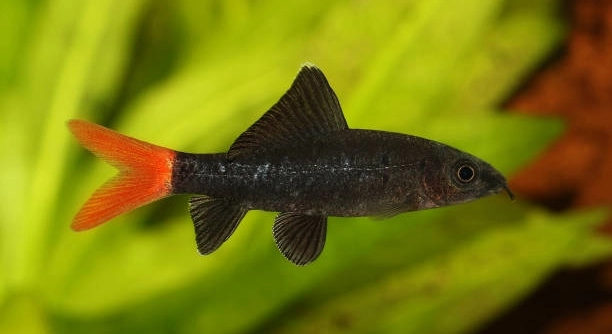
Caring for a Rainbow Shark means more than just keeping it healthy; their social behavior plays a big role in their well-being. Understanding how to encourage positive interaction can make your fish tank a more harmonious environment. Many owners seek ways to improve how these fish engage with their surroundings and tank mates.
Enhancing a Rainbow Shark’s social behavior involves providing proper tank conditions, appropriate companions, environmental enrichment, and consistent care routines. These factors reduce stress and promote natural interactions, leading to a more active and socially balanced fish.
Improving your Rainbow Shark’s social life can make a noticeable difference in its happiness and longevity. The following tips offer practical steps to help you support your fish’s natural behaviors and create a better aquatic community.
Providing Adequate Space and Tank Setup
Rainbow Sharks need enough space to swim freely and establish their territory. A tank of at least 55 gallons is recommended to reduce aggression and allow natural behavior. Decorations such as rocks, plants, and hiding spots help create a varied environment where they feel secure. Open swimming areas alongside sheltered spots let them choose their preferred space, balancing exploration with safety. Maintaining clean water and stable conditions also supports their well-being and social interactions. Overcrowding can increase stress and aggression, so avoid adding too many fish. Ensuring your tank mimics their natural habitat encourages peaceful behavior and reduces conflicts.
Creating the right setup not only benefits your Rainbow Shark but also promotes harmony with other tank inhabitants. A thoughtfully arranged tank fosters healthier interactions and a more enjoyable aquarium.
Taking time to organize your tank properly can make a significant difference. Simple changes like adding hiding places and controlling fish numbers improve social behavior and overall happiness. This approach leads to a calmer and more balanced environment for your fish to thrive.
Choosing Compatible Tank Mates
Rainbow Sharks are territorial and can become aggressive if housed with incompatible species. Selecting peaceful, non-aggressive fish that occupy different tank levels reduces competition. Avoid other bottom-dwellers or similar-looking fish to minimize territorial disputes. Species such as tetras, barbs, or larger schooling fish often coexist well. Observing behavior after introduction helps identify any issues early. Compatibility depends on size, temperament, and activity level. Introducing tank mates slowly and monitoring interactions ensures a balanced community.
To maintain peace, it is important to respect the Rainbow Shark’s territorial nature and carefully plan tank mates. Compatibility plays a key role in improving social dynamics and reducing stress.
When adding new fish, research their habits and compatibility thoroughly. Avoid overcrowding and provide plenty of hiding spots for all species. Sometimes, minor adjustments like rearranging decorations or separating aggressive fish may be necessary. Patience and observation help create a peaceful aquarium where each species can live comfortably. Proper tank mate selection supports your Rainbow Shark’s social behavior by lowering stress and promoting coexistence.
Maintaining Consistent Water Quality
Regular water changes are essential for Rainbow Sharks to stay healthy and calm. Clean water reduces stress and supports natural social behavior. Monitoring parameters like ammonia, nitrite, nitrate, and pH helps avoid harmful spikes that cause aggression or illness.
Keeping water conditions stable requires weekly partial water changes of about 20-30%. Using a good filter and testing water regularly prevents dangerous buildups. Avoid sudden changes in temperature or chemistry to minimize stress. When water quality is optimal, your Rainbow Shark feels secure, which encourages peaceful interactions with tank mates.
In addition to routine maintenance, removing uneaten food and debris keeps the environment clean. Proper feeding habits reduce waste, helping maintain water quality. Regular monitoring ensures problems are caught early, avoiding behavioral issues caused by poor water conditions. A well-maintained tank is the foundation for enhancing social behavior in Rainbow Sharks.
Providing Environmental Enrichment
Rainbow Sharks benefit from stimulation in their tank to reduce boredom and aggression. Adding plants, rocks, and decorations creates a varied environment for exploration. Moving items occasionally can refresh their surroundings and encourage natural activity.
Environmental enrichment prevents stress by offering hiding places and different textures to explore. This variety keeps your fish engaged and reduces territorial disputes. Using live or artificial plants provides shelter and breaks sight lines, which can help lower aggression. Structures that mimic their natural habitat support mental and physical health.
Changing the tank layout every few weeks gives your Rainbow Shark new challenges. This keeps them curious and active while reducing stress from a static environment. Simple additions like floating plants or caves improve overall well-being and promote healthier social behavior. Keeping your tank interesting is a key part of caring for Rainbow Sharks.
Feeding a Balanced Diet
A well-rounded diet supports your Rainbow Shark’s health and social behavior. Providing a mix of high-quality pellets, flakes, and occasional live or frozen foods keeps them nourished. Avoid overfeeding, which can cause aggression and water quality issues.
Consistent feeding times help establish routine and reduce stress. Healthy nutrition promotes energy and interaction, making your fish more active and social.
Monitoring Behavior Regularly
Watching your Rainbow Shark’s daily behavior helps detect early signs of stress or illness. Changes in swimming, appetite, or aggression levels may indicate problems. Early intervention prevents long-term issues and supports positive social interactions.
Avoiding Overcrowding
Too many fish in the tank increases stress and territorial disputes. Keeping populations balanced allows Rainbow Sharks enough space to claim their area peacefully and interact calmly.
Keeping a Stable Lighting Schedule
Maintaining a regular light cycle supports natural rhythms and reduces stress. Consistent lighting encourages normal activity patterns and healthier social behavior in Rainbow Sharks.
FAQ
How can I tell if my Rainbow Shark is stressed?
Signs of stress include erratic swimming, hiding more than usual, loss of appetite, and increased aggression. You might also notice faded colors or clamped fins. Stress often results from poor water quality, overcrowding, or incompatible tank mates. Regular observation helps catch these signs early so you can adjust care.
What tank size is best for a Rainbow Shark?
A minimum of 55 gallons is recommended to give your Rainbow Shark enough room to swim and establish territory. Smaller tanks lead to stress and aggression because they feel cramped and vulnerable. Bigger tanks help reduce conflicts and provide a healthier environment.
Can Rainbow Sharks live with other fish?
Yes, but it’s important to choose compatible species. Avoid other bottom dwellers or fish that look similar, as Rainbow Sharks are territorial. Peaceful mid- and top-level swimmers like tetras, barbs, and some larger schooling fish work well. Always watch for signs of aggression after adding new tank mates.
What should I feed my Rainbow Shark?
A varied diet of high-quality pellets or flakes supplemented with frozen or live foods like bloodworms and brine shrimp is best. Feeding twice a day in small amounts prevents overfeeding and keeps water quality good. A balanced diet supports health and activity.
How often should I change the water?
Weekly partial water changes of 20-30% keep the water clean and stable. Consistent water quality reduces stress and aggression. Avoid drastic water changes, as sudden shifts in temperature or chemistry can cause shock.
Why is my Rainbow Shark chasing other fish?
Chasing is usually a sign of territorial behavior or stress from overcrowding. Ensuring enough space and hiding spots reduces this behavior. Selecting compatible tank mates and maintaining good water quality can also calm your Rainbow Shark.
Do Rainbow Sharks need hiding places?
Yes, they appreciate caves, plants, and decorations to retreat to. Hiding spots give them security and reduce stress. A tank with varied environments supports natural behaviors and peaceful social interactions.
Can lighting affect my Rainbow Shark’s behavior?
Yes, maintaining a consistent day/night cycle helps regulate their activity and stress levels. Too much or too little light can disrupt their routine. About 8-10 hours of light daily mimics natural conditions and supports well-being.
Is it normal for Rainbow Sharks to be aggressive sometimes?
Some aggression is natural because they are territorial fish. However, excessive or constant aggression usually signals stress, poor environment, or overcrowding. Managing tank conditions and companions helps keep aggression at healthy levels.
How do I introduce new fish to a tank with a Rainbow Shark?
Add new fish slowly and monitor interactions closely. Rearranging decorations before introduction can help reduce territorial behavior. If aggression occurs, separating fish temporarily may be necessary. Patience and observation are key to a peaceful community.
These answers cover common concerns and help improve your Rainbow Shark’s social behavior. Proper care and attention make a big difference in creating a calm and active tank environment.
Taking care of a Rainbow Shark’s social behavior requires attention to several important factors. Providing enough space in the tank helps reduce stress and territorial disputes. A well-arranged environment with plants, hiding spots, and open swimming areas supports natural behavior. Keeping water clean and stable is also crucial because poor water quality can cause aggression and illness. Feeding a balanced diet regularly supports their health and activity, making them more sociable with other fish. All these elements together help create a calm and peaceful atmosphere where your Rainbow Shark can thrive.
Choosing compatible tank mates plays a big role in maintaining harmony. Rainbow Sharks are naturally territorial and may not get along with all species, especially other bottom dwellers or similar-looking fish. Selecting peaceful companions that swim in different parts of the tank helps reduce conflicts. It is also important to watch their behavior carefully after introducing new fish to catch any signs of aggression early. Sometimes minor adjustments like rearranging decorations or providing extra hiding places can improve relationships among tank inhabitants. A stable lighting schedule and environmental enrichment like decorations and plants keep your Rainbow Shark mentally stimulated and reduce boredom, which also encourages positive social behavior.
Ultimately, caring for your Rainbow Shark’s social needs takes patience and consistency. Regular observation and maintenance allow you to spot potential problems before they worsen. Simple actions like maintaining clean water, feeding properly, and providing a suitable environment go a long way in supporting their natural behavior. When these basics are met, your Rainbow Shark will be more active, less stressed, and better able to interact peacefully with other fish. This leads to a more enjoyable aquarium experience for both you and your fish. Taking the time to understand and meet these needs ensures your Rainbow Shark lives a healthy and balanced life.

Hello,
If you enjoy the content that we create, please consider saying a "Thank You!" by leaving a tip.
Every little bit helps us continue crafting quality advice that supports the health, happiness, and well-being of pets around the world, for pets of all shapes, sizes, and species.
We really appreciate the kindness and support that you show us!