
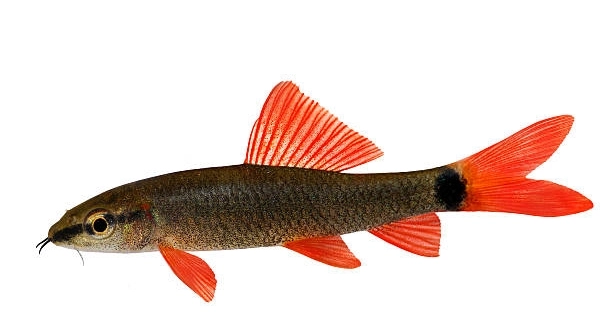
Rainbow Sharks are popular freshwater fish known for their vibrant colors and active behavior. Many aquarium owners enjoy keeping them as part of a community tank. However, these fish can sometimes face threats from other tank mates.
To keep your Rainbow Shark safe, it is essential to provide adequate hiding spaces, maintain proper tank size, avoid aggressive fish, monitor water conditions, and establish a peaceful environment that minimizes stress and territorial disputes.
Knowing how to protect your Rainbow Shark helps maintain a balanced and healthy aquarium for all fish involved.
Provide Plenty of Hiding Spots
Rainbow Sharks feel safer when they have places to hide. Rocks, plants, and decorations can create small shelters where they can retreat if other fish become too curious or aggressive. These hiding spots reduce stress and give your shark a sense of security. Without such places, Rainbow Sharks might feel exposed, making them more vulnerable to bullying from other fish.
Adding caves or dense plants can mimic the shark’s natural environment. Be sure to arrange the tank so these spots are easy to reach but not overcrowded. This balance helps maintain good water flow and keeps the tank clean. It also prevents the tank from looking cluttered while providing necessary protection.
When creating hiding spots, consider your tank’s size and your fish’s behavior. A few well-placed caves or plants are better than many random objects. Observing your Rainbow Shark’s favorite spots can guide you in improving the tank setup for its safety and comfort.
Keep the Tank Spacious
A larger tank reduces territorial conflicts among fish.
More space means less competition for hiding spots and swimming areas. Rainbow Sharks need room to swim actively without feeling threatened. A small, crowded tank can increase aggression from other fish, which may harm your shark. Ideally, a tank for a Rainbow Shark should be at least 30 gallons, allowing enough space for all inhabitants to coexist peacefully. This setup helps maintain a balanced environment where each fish has its own space. Increasing tank size not only supports your Rainbow Shark’s health but also improves overall tank dynamics, making it easier to manage and enjoy your aquarium.
Choose Compatible Tank Mates
Choosing peaceful fish helps reduce stress for your Rainbow Shark. Avoid aggressive or very active species that may challenge its space.
Compatibility matters a lot. Rainbow Sharks can become aggressive if crowded with fish that have similar territorial habits. Good tank mates include tetras, barbs, and catfish that stay in different tank levels or swim calmly. Avoid fin-nippers or overly boisterous fish. Observing how your fish interact early on can help you make changes before conflicts develop. Compatibility creates a more peaceful environment where your Rainbow Shark can thrive without constant threats.
Monitoring your fish regularly allows you to notice any signs of stress or injury quickly. Sometimes, even compatible fish might clash temporarily, so being ready to separate aggressive individuals can protect your Rainbow Shark and maintain harmony.
Maintain Optimal Water Conditions
Stable water quality supports your Rainbow Shark’s health and reduces aggression.
Rainbow Sharks prefer clean, well-filtered water with temperatures between 72°F and 79°F. Regular water changes and testing keep ammonia, nitrite, and nitrate levels safe. Poor water quality can weaken your fish, making them more vulnerable to illness and stress-induced aggression. Keeping parameters stable helps your Rainbow Shark stay healthy and calm. pH should be between 6.5 and 7.5, and hardness moderate. Using a good filtration system and not overfeeding helps maintain this balance. Clear water encourages natural behavior and less fighting among tank mates.
Maintaining water quality is a simple but crucial step in preventing problems. Regular maintenance and monitoring ensure your Rainbow Shark feels safe and comfortable in its environment.
Avoid Overcrowding the Tank
Too many fish cause stress and fights. Overcrowding reduces space, making it harder for your Rainbow Shark to find peace.
A less crowded tank gives each fish enough room to swim and hide. This helps lower aggression and keeps the environment healthy for everyone.
Watch for Signs of Stress
Stress can cause your Rainbow Shark to hide or lose color. Early detection helps prevent serious health issues.
Observing your fish daily is important. Look for changes in behavior, appetite, or appearance. Acting quickly improves your fish’s chances of staying safe and healthy.
Feed a Balanced Diet
A good diet supports your Rainbow Shark’s immune system and overall well-being.
Regular Tank Maintenance
Cleaning and water changes keep the tank healthy and safe for your Rainbow Shark.
FAQ
How can I tell if my Rainbow Shark is stressed or injured?
Signs of stress or injury include hiding more than usual, loss of color, rapid breathing, and reduced appetite. Look for visible wounds, torn fins, or unusual swimming patterns. Stress can also cause your Rainbow Shark to become less active or act more aggressively. Watching your fish daily helps catch these early warning signs so you can take action before problems worsen.
What tank size is best for a Rainbow Shark?
A minimum of 30 gallons is recommended for one Rainbow Shark. This size provides enough swimming space and helps reduce territorial aggression. If you plan to keep more than one or add other fish, increase the tank size accordingly. Larger tanks help maintain stable water conditions and give fish plenty of room to avoid conflicts.
Can Rainbow Sharks live with other aggressive fish?
It’s best to avoid housing Rainbow Sharks with aggressive species. Aggressive fish can bully or injure the Rainbow Shark, causing stress and health problems. Peaceful, fast-swimming fish or bottom dwellers that stay out of the shark’s territory make better tank mates. Choosing compatible fish reduces fights and keeps the tank environment calm.
How often should I clean the tank?
Regular cleaning every one to two weeks is ideal. Partial water changes of 20-30% help keep nitrate and ammonia levels low. Clean the filter media gently without removing beneficial bacteria. Overcleaning or using harsh chemicals can harm your Rainbow Shark’s environment. Maintaining a clean tank prevents disease and stress.
What should I feed my Rainbow Shark?
Feed a balanced diet including sinking pellets, flakes, and occasional live or frozen foods like bloodworms or brine shrimp. Rainbow Sharks are omnivores, so adding some vegetable matter like blanched spinach or peas is beneficial. Feed small amounts two times a day, avoiding overfeeding to prevent water quality issues.
Why is my Rainbow Shark hiding all the time?
Hiding can indicate stress, poor water quality, or aggression from other fish. Ensure the tank has enough hiding spots and proper water conditions. Overcrowding or incompatible tank mates may also cause your fish to retreat. Monitor the tank environment and fish behavior to identify and fix the cause.
How do I reduce aggression in my tank?
Provide plenty of space, hiding places, and compatible tank mates. Avoid overcrowding and keep water quality stable. Sometimes rearranging decorations helps break up territories. If aggression persists, consider separating the aggressive fish to protect your Rainbow Shark.
Is it necessary to have a filter for my Rainbow Shark’s tank?
Yes, a filter is essential for keeping water clean and oxygenated. It removes waste, controls toxins, and supports beneficial bacteria. A good filter improves water quality and reduces stress on your Rainbow Shark. Choose a filter suitable for your tank size and maintain it regularly.
Can Rainbow Sharks tolerate different water temperatures?
Rainbow Sharks thrive between 72°F and 79°F. Temperatures outside this range can stress the fish and increase disease risk. Use a reliable heater and thermometer to keep the temperature steady. Avoid sudden temperature changes to maintain your fish’s health.
What should I do if my Rainbow Shark gets injured?
Isolate the injured fish in a quarantine tank if possible. Treat wounds with aquarium-safe antiseptics and maintain excellent water quality. Avoid aggressive tank mates during recovery. Monitor the injury and provide a calm environment to support healing.
How often should I test the water?
Test the water weekly for ammonia, nitrite, nitrate, pH, and hardness. Regular testing helps detect problems early and ensures stable conditions. Keep parameters within recommended ranges for Rainbow Sharks to stay healthy.
Can Rainbow Sharks live alone?
Yes, Rainbow Sharks can live alone and often do better in solitary setups. They are territorial and may become aggressive with other Rainbow Sharks unless kept in very large tanks. Keeping one Rainbow Shark per tank reduces stress and fights.
What decorations are best for Rainbow Sharks?
Smooth rocks, caves, and live or artificial plants provide good hiding spots and reduce aggression. Avoid sharp or rough decorations that could injure your fish. Arrange decorations to create clear territories and swimming areas for a balanced tank environment.
Taking good care of your Rainbow Shark is important to ensure it stays healthy and safe in your aquarium. These fish need a calm environment with plenty of space and places to hide. By choosing peaceful tank mates and avoiding overcrowding, you reduce stress and aggression. Good water quality is also key because clean, stable water helps your Rainbow Shark feel comfortable and strong. Regular maintenance and careful monitoring will help you notice any problems early so you can act quickly.
Setting up the right tank conditions shows how much attention your Rainbow Shark needs. Providing hiding spots with rocks and plants lets the fish feel secure when other fish swim nearby. A tank size of at least 30 gallons gives enough room for your Rainbow Shark to swim actively and reduces fights with other fish. Avoid aggressive or fin-nipping fish that may harm your Rainbow Shark. Watching how your fish interact can guide you in making changes that support a peaceful environment.
Feeding your Rainbow Shark a balanced diet with quality pellets, flakes, and occasional treats keeps it healthy. Overfeeding should be avoided because it can pollute the water and cause illness. If your fish shows signs of stress or injury, taking action early can make a big difference. Isolating an injured fish and maintaining good water conditions helps it heal. Overall, following these simple care steps will give your Rainbow Shark a safe and happy home. This care benefits not only your Rainbow Shark but also the other fish sharing the tank.

Hello,
If you enjoy the content that we create, please consider saying a "Thank You!" by leaving a tip.
Every little bit helps us continue crafting quality advice that supports the health, happiness, and well-being of pets around the world, for pets of all shapes, sizes, and species.
We really appreciate the kindness and support that you show us!