
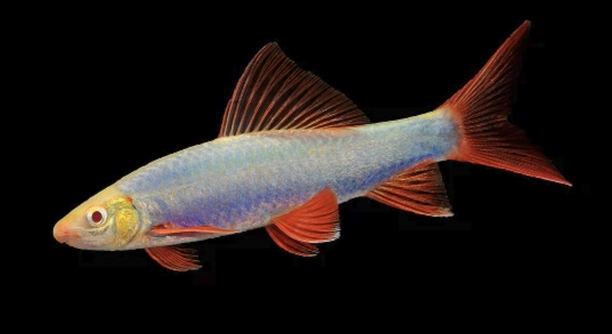
Rainbow sharks are popular freshwater fish known for their bright colors and active swimming. Many fishkeepers enjoy having them in community tanks. However, these fish can sometimes be shy, which affects their behavior and well-being in the aquarium.
Rainbow sharks often hide or remain still when feeling shy or stressed in their tanks. Limited swimming, staying in corners, and avoiding other fish are common signs of shyness. Understanding these behaviors is important for maintaining a healthy environment for your rainbow shark.
Recognizing these signs early can help you create a more comfortable space for your fish. This article will guide you through the key indicators to watch for and how to support your shy rainbow shark.
Hiding in Corners or Behind Decorations
Rainbow sharks often hide in corners or behind plants and decorations when they feel shy or stressed. This behavior is usually a way for them to feel safe from perceived threats. In some tanks, overcrowding or aggressive tank mates can push the rainbow shark to seek shelter more frequently. The lighting level also plays a role—bright lights may make the fish uncomfortable, causing it to retreat. When a rainbow shark spends most of its time out of sight, it can miss out on swimming and feeding opportunities. Over time, this can affect its health and coloration. To help, make sure the tank has plenty of hiding spots but also open areas for swimming. Observing the tank’s layout and the behavior of other fish can reveal if something needs adjustment to reduce the rainbow shark’s shyness. Proper tank maintenance and water quality are essential to reduce stress as well.
Hiding is a clear sign your rainbow shark feels insecure in its environment.
Providing a balanced space with calm tank mates and gentle lighting can help your rainbow shark feel more comfortable and come out more often.
Reduced Appetite and Eating Habits
A shy rainbow shark often shows changes in eating habits. It might eat less or avoid food when other fish are nearby. This can happen because the fish feels threatened or insecure, making it unwilling to compete for food. Sometimes, the rainbow shark may wait until the tank is quieter to approach the food. In other cases, stress from the tank environment may suppress its appetite altogether. When appetite decreases, the fish can become weak or develop health issues over time. Feeding smaller amounts more frequently can encourage eating without overwhelming the fish. Using sinking pellets or placing food near the hiding spots can also help. It is important to monitor the fish closely and separate it if the appetite loss becomes severe. Ensuring stable water conditions and reducing tank stress are vital for restoring healthy eating habits. Adjusting the tank setup and feeding routine can make a big difference for a shy rainbow shark’s comfort and health.
Lack of Interaction with Other Fish
A shy rainbow shark tends to avoid interacting with other tank mates. It often stays separate, swimming alone or hiding while other fish explore or feed. This behavior is a way to reduce stress and protect itself from perceived threats.
When a rainbow shark avoids social interaction, it may miss out on important behaviors like establishing territory or finding food easily. This separation can also mean the fish feels bullied or overwhelmed by more aggressive or active tank mates. Ensuring peaceful companions and providing enough space can help improve social comfort. Creating areas where the rainbow shark can retreat safely without isolation encourages gradual interaction over time.
Over time, the fish may become more confident and start joining others when it feels secure. Offering a calm environment and respecting its need for space are key to helping it feel part of the community.
Staying Still for Long Periods
Rainbow sharks that stay still for long periods usually feel insecure or frightened. This inactivity can be a sign of stress or poor water conditions affecting the fish’s health.
Prolonged stillness limits exercise, which can affect muscle tone and overall vitality. Stress-related inactivity also weakens the immune system, making the fish more vulnerable to disease. Checking water quality, temperature, and tank mates helps identify causes of stress. Improving these factors often restores normal activity levels. Sometimes, the fish needs extra time to adjust to a new environment or tank setup. Patience and careful observation are essential to support recovery. If the fish remains inactive despite improvements, consulting a specialist might be necessary to rule out illness or injury. Maintaining a stable, peaceful tank environment encourages natural swimming and reduces fear-induced stillness.
Excessive Flashing or Rubbing
Excessive flashing or rubbing against tank surfaces can indicate stress in a shy rainbow shark. This behavior often signals irritation or discomfort.
It might be caused by poor water quality, parasites, or the fish feeling unsafe. Watching for this sign helps prevent health problems early.
Staying at the Bottom of the Tank
Rainbow sharks that remain near the bottom often feel insecure or threatened. Staying low gives them a sense of safety but may limit their activity and feeding.
Fading Colors
A shy or stressed rainbow shark often shows dull or faded colors. This loss of vibrancy can signal poor health or anxiety caused by the tank environment. Maintaining good water quality and reducing stress helps restore their bright colors.
FAQ
Why does my rainbow shark hide all the time?
Rainbow sharks hide when they feel stressed, scared, or insecure. This can happen because of aggressive tank mates, poor water conditions, or lack of hiding spots. Hiding helps them feel safe but can lead to less activity and health issues if it continues for long periods. Make sure your tank has plenty of plants and decorations to provide shelter. Also, check that water quality is stable and tank mates are peaceful. Sometimes, shy behavior improves as the fish gets used to its environment.
How can I help my rainbow shark come out of hiding?
Create a calm environment with gentle lighting and plenty of hiding places. Avoid overcrowding the tank and keep aggressive fish away. Feeding your rainbow shark near its hiding spots or with sinking pellets can encourage it to eat and explore gradually. Regular water changes and good filtration reduce stress. Be patient, as it can take time for the fish to feel comfortable enough to swim openly.
Is it normal for rainbow sharks to be shy?
Yes, rainbow sharks can be naturally shy, especially when introduced to a new tank or if their environment is stressful. They are territorial and may feel threatened by more active or aggressive fish. With time and the right conditions, many rainbow sharks become more confident and active.
What tank conditions cause shyness in rainbow sharks?
Poor water quality, too bright lighting, small tanks, or lack of hiding spaces can all cause a rainbow shark to be shy. Aggressive or fast-moving tank mates also increase stress. Stable water temperature, clean water, and a well-planted tank with places to retreat reduce fear and encourage natural behavior.
Can diet affect my rainbow shark’s behavior?
Yes, a poor diet or irregular feeding can weaken a rainbow shark and increase stress, causing it to hide more. Feeding a balanced diet of pellets, flakes, and occasional live or frozen foods helps maintain good health and energy levels. Feeding smaller amounts more frequently is also helpful.
How do I know if my rainbow shark is sick or just shy?
Shyness usually shows as hiding, staying still, or avoiding food without other physical symptoms. If your fish shows signs like flashing, rubbing against surfaces, clamped fins, or visible spots, it could be sick. Monitor closely and test water parameters. If illness is suspected, consult an expert for treatment options.
What tank mates are best for a shy rainbow shark?
Choose peaceful, non-aggressive fish that won’t compete for the same space or food. Avoid large or territorial fish that might intimidate the rainbow shark. Good tank mates include small tetras, peaceful catfish, and gouramis. Giving the rainbow shark enough space and hiding spots helps reduce stress from social interactions.
Can shyness cause long-term problems for rainbow sharks?
Yes, prolonged stress and hiding can lead to poor appetite, weakened immune systems, and dull colors. This can make the fish more vulnerable to disease and shorten its lifespan. Addressing the causes of shyness early helps ensure your rainbow shark stays healthy and active.
How often should I check my rainbow shark’s behavior?
Regular observation, at least daily during feeding times, helps spot changes early. Noticing if your fish swims less, hides more, or changes eating habits allows you to respond quickly. Keeping a consistent routine for feeding and tank maintenance supports stable behavior.
Is it okay if my rainbow shark stays at the bottom of the tank?
Occasional resting at the bottom is normal, but constant bottom-dwelling can indicate stress or illness. Ensure the tank environment is suitable and monitor for other signs of discomfort. Encouraging activity through proper tank setup and diet helps keep your fish healthy.
Taking care of a rainbow shark requires attention to its behavior and environment. Shyness is common with these fish, especially when they first enter a tank or face stressful conditions. Noticing signs like hiding, staying still, or avoiding food helps you understand when your fish might be feeling insecure. Early detection is important because a shy fish can develop health problems if its stress is not addressed. Maintaining clean water, proper lighting, and a good tank setup can reduce fear and encourage your rainbow shark to swim and explore more confidently.
Creating a comfortable space is key to helping a shy rainbow shark adjust. Providing hiding spots such as plants, rocks, or decorations allows the fish to feel safe when it needs to retreat. At the same time, open areas for swimming give it room to move freely when it feels secure. Choosing peaceful tank mates and avoiding overcrowding also reduces competition and stress. Feeding routines matter too; offering food near hiding places or using sinking pellets can help the fish eat better without feeling threatened. Small changes to the tank and routine often improve a shy rainbow shark’s behavior over time.
Patience is essential when dealing with a shy rainbow shark. These fish may take days or weeks to become comfortable and active in their tank. Watching their behavior closely and adjusting conditions as needed shows care and helps build trust. Avoid sudden changes or loud disturbances that could make the fish more nervous. If health problems arise, seeking advice from experienced hobbyists or professionals can be helpful. Overall, a quiet and stable environment combined with good care supports the well-being of your rainbow shark and helps it live a longer, healthier life.

Hello,
If you enjoy the content that we create, please consider saying a "Thank You!" by leaving a tip.
Every little bit helps us continue crafting quality advice that supports the health, happiness, and well-being of pets around the world, for pets of all shapes, sizes, and species.
We really appreciate the kindness and support that you show us!