
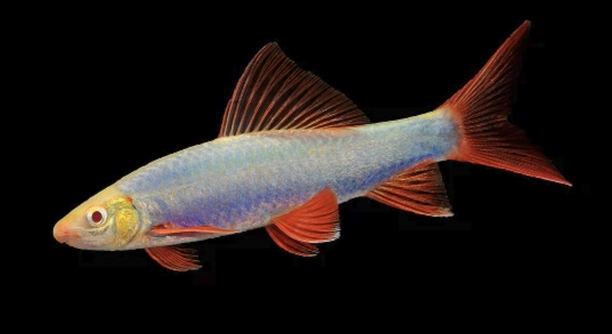
Rainbow shark fish tanks are a popular choice for many aquarium enthusiasts. Setting up the perfect environment for these colorful fish requires some important knowledge to ensure they thrive. This article covers key points to help you create a healthy and attractive tank.
Setting up a rainbow shark tank involves choosing the right tank size, maintaining proper water conditions, providing suitable tank mates, and creating a balanced environment with adequate hiding spots and a well-planned diet to support the fish’s health and behavior.
Knowing these basics will help you avoid common mistakes and create a beautiful home for your rainbow sharks. The following sections explain the most important factors for a successful setup.
Choosing the Right Tank Size
A suitable tank size is essential for rainbow sharks to live comfortably. These fish grow up to six inches and need enough space to swim freely. A tank smaller than 30 gallons will cause stress and limit their movement. Larger tanks provide better water quality and more room for decorations and plants. It also reduces territorial disputes since rainbow sharks can be somewhat aggressive. When picking a tank, consider adding more space than the minimum requirement to support their active nature. Along with tank size, it is important to have a reliable filtration system. Proper filtration keeps the water clean and balanced, helping to maintain fish health. Remember to perform regular water changes to keep nitrate levels low and prevent toxins from building up. The tank should have a secure lid, as rainbow sharks are known to jump occasionally.
Choosing the right tank size prevents health problems and supports the fish’s natural behavior. A larger tank helps maintain stability in water conditions.
Providing ample swimming space and clean water creates a comfortable habitat. This reduces stress and promotes long-term health for your rainbow sharks.
Maintaining Proper Water Conditions
Rainbow sharks need clean, well-oxygenated water with stable temperature and pH levels. Their ideal temperature range is between 74°F and 81°F, and the pH should be slightly acidic to neutral, around 6.5 to 7.5. Frequent testing of water parameters is necessary to ensure they remain within these limits. Sudden changes in temperature or pH can cause stress and illness. Aeration helps maintain oxygen levels, especially in warmer water. It’s also important to avoid overcrowding, which can lead to poor water quality and aggressive behavior. Use a high-quality water conditioner to remove harmful chemicals from tap water before adding it to the tank. Regular partial water changes, about 20% every week, keep the environment stable. Keeping a consistent routine helps rainbow sharks adapt well and stay healthy. Water conditions are one of the most critical factors in successful rainbow shark care.
Providing Suitable Tank Mates
Rainbow sharks can be territorial, so choosing compatible tank mates is crucial. Avoid other bottom dwellers with similar shapes or aggressive fish that might cause fights. Peaceful fish that occupy different tank levels work best.
Tank mates should include species like danios, tetras, and barbs. These fish are active swimmers and generally keep to the middle or upper parts of the tank. Keeping the tank spacious reduces competition for territory. Avoid slow-moving or long-finned fish, as rainbow sharks may nip at them. Adding plenty of hiding places helps all fish feel secure and reduces aggression. Monitoring behavior closely during the first few weeks ensures no conflicts develop. If aggression occurs, separating the fish might be necessary to maintain peace.
Proper selection of tank mates promotes harmony and a balanced aquarium environment. It also protects the rainbow shark and other fish from unnecessary stress or injury.
Creating Hiding Spots and Decorations
Rainbow sharks appreciate having places to hide and explore. Rocks, caves, and plants provide shelter and break up their territory. These decorations make the tank feel natural and reduce stress.
Choose smooth decorations to avoid injuries since rainbow sharks have delicate fins. Live plants are beneficial but should be sturdy enough to withstand some nibbling or digging. Driftwood and PVC pipes also work well as hiding spots. Arranging decorations to create several separate areas helps minimize territorial disputes. It encourages natural behavior, such as exploring and resting. Be careful not to overcrowd the tank with too many decorations, as this limits swimming space. Cleaning decorations regularly prevents algae buildup and keeps the environment healthy. A balanced tank setup with enough hiding places leads to happier, more active fish.
Feeding Your Rainbow Shark
Rainbow sharks are omnivores and need a balanced diet. Feed them high-quality flakes, pellets, and occasional live or frozen foods.
Provide food that sinks since rainbow sharks eat mostly at the bottom. Feed small amounts twice daily to avoid overfeeding and maintain water quality.
Monitoring Behavior and Health
Regular observation helps detect early signs of illness or stress. Look for changes in swimming, appetite, or appearance.
Promptly address any unusual behavior to prevent worsening conditions. Healthy fish are active, bright, and responsive.
Avoiding Overcrowding
Too many fish in one tank cause stress and poor water quality. Follow tank size recommendations strictly to keep the environment stable.
Cleaning and Maintenance
Clean the tank regularly and perform water changes to maintain healthy conditions. Use gentle methods to avoid stressing the fish.
FAQ
How large should my tank be for a rainbow shark?
A minimum tank size of 30 gallons is recommended for one rainbow shark. They need space to swim actively and establish territories. Larger tanks reduce stress and aggression, providing a better environment for your fish. Adding more fish means increasing tank size accordingly to avoid overcrowding.
What water temperature is best for rainbow sharks?
The ideal temperature range is between 74°F and 81°F. Maintaining stable water temperature within this range keeps rainbow sharks comfortable and healthy. Sudden temperature changes can cause stress and lead to illness.
Can rainbow sharks live with other fish?
Yes, but tank mates should be chosen carefully. Avoid other bottom-dwelling or aggressive species. Suitable companions include fast-moving mid-to-top swimmers like tetras, danios, and barbs. Provide plenty of hiding spots to reduce territorial disputes.
What do rainbow sharks eat?
Rainbow sharks are omnivores and require a balanced diet. Feed them sinking pellets or flakes, supplemented with live or frozen foods like bloodworms and brine shrimp. Vegetables like blanched spinach or peas can also be offered occasionally.
How often should I feed my rainbow shark?
Feed small amounts twice a day. Overfeeding can pollute the tank and harm water quality. Only provide what your fish can eat in a few minutes. Adjust feeding based on activity levels and water conditions.
Why does my rainbow shark hide so much?
Hiding is normal behavior, especially during tank setup or after introducing new tank mates. It can also indicate stress from poor water conditions or aggression. Ensure the tank has enough hiding places and stable water parameters to help your fish feel secure.
How often should I change the water?
Perform partial water changes of about 20% once a week. This keeps nitrate levels low and maintains clean water. Avoid large, sudden water changes as they can shock the fish. Always treat tap water with a conditioner before adding it to the tank.
What signs indicate my rainbow shark is sick?
Look for faded colors, clamped fins, loss of appetite, erratic swimming, or white spots. These symptoms may indicate stress, infection, or parasites. Quarantine sick fish and consult a vet or fish expert for treatment advice.
Can rainbow sharks jump out of the tank?
Yes, they are known to jump occasionally. Keep a tight-fitting lid on your tank to prevent escapes. Ensure the lid has ventilation to maintain air circulation without risking fish jumping out.
Is it necessary to provide live plants in the tank?
Live plants are beneficial but not essential. They improve water quality and provide hiding spots. Choose sturdy plants that tolerate digging or nibbling. Artificial plants can be used if live ones are difficult to maintain.
How long do rainbow sharks live?
With proper care, rainbow sharks can live up to 8-10 years. Maintaining clean water, proper diet, and a peaceful environment helps extend their lifespan. Regular monitoring and care are essential for their long-term health.
Are rainbow sharks aggressive?
Rainbow sharks can be territorial and display aggression, especially in smaller tanks or during breeding periods. Providing ample space and hiding places helps reduce aggressive behavior. Choosing compatible tank mates also prevents conflicts.
Can I breed rainbow sharks at home?
Breeding rainbow sharks is challenging. They need specific water conditions and ample space to breed successfully. It is recommended for experienced aquarium keepers. Separate breeding tanks and careful monitoring are often necessary to raise fry.
Setting up and caring for a rainbow shark tank requires attention to several important factors. From choosing the right tank size to maintaining clean water and proper temperature, each step plays a vital role in the fish’s health. Rainbow sharks need space to swim and territory to feel comfortable, so a minimum of 30 gallons is recommended. Smaller tanks can cause stress and aggression, which affects their wellbeing. Along with size, water quality must be monitored regularly through testing and routine water changes. Stable temperature and pH levels create an environment where rainbow sharks can thrive. Providing good filtration and aeration also helps maintain a balanced tank.
Another key point is selecting suitable tank mates. Rainbow sharks can be territorial, so peaceful fish that swim at different levels work best. Adding plenty of hiding spots like caves, plants, and decorations helps reduce conflicts and provides shelter. When it comes to feeding, a balanced diet of sinking pellets, flakes, and occasional live or frozen foods keeps them healthy. Overfeeding should be avoided to maintain water quality and prevent health issues. Observing your fish regularly is important to catch any signs of illness or stress early. Healthy rainbow sharks will be active, alert, and display bright colors.
Taking care of rainbow sharks is manageable with consistent maintenance and understanding their needs. Clean tanks, proper diet, and peaceful surroundings contribute to their long-term happiness and vitality. It’s essential to create a stable environment with enough space and resources to support their behavior. With attention to these details, rainbow sharks can become a lively and attractive addition to your aquarium. The effort spent in setting up and caring for them pays off in a beautiful, balanced tank where the fish can flourish.

Hello,
If you enjoy the content that we create, please consider saying a "Thank You!" by leaving a tip.
Every little bit helps us continue crafting quality advice that supports the health, happiness, and well-being of pets around the world, for pets of all shapes, sizes, and species.
We really appreciate the kindness and support that you show us!