
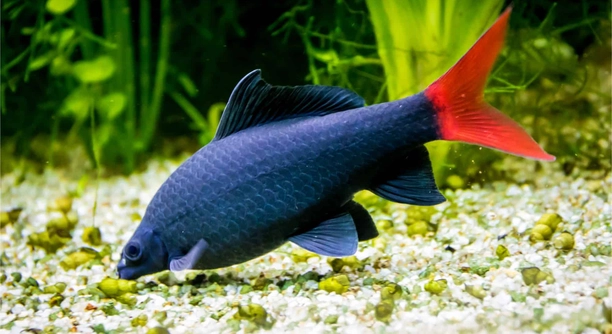
Are your rainbow sharks constantly chasing other fish and creating stress in your aquarium, leaving you unsure how to manage their behavior?
The best way to handle rainbow shark territorial issues is by creating a suitable environment with ample hiding spots, limiting the number of tankmates, and maintaining ideal tank size. These steps help reduce aggression and promote peaceful cohabitation.
Learn how small changes in your aquarium setup can make a big difference in managing rainbow shark behavior and reducing tank stress.
Choose the Right Tank Size
A tank that’s too small can quickly lead to tension between your rainbow shark and other fish. These fish need space to establish their own territory, and cramped conditions will only make things worse. A single rainbow shark needs at least a 50-gallon tank, but more space is always better. Providing room to swim, hide, and avoid constant interaction with other tankmates helps reduce aggressive behavior. A long tank layout is ideal, as it gives the shark horizontal room to claim a section of its own. You’ll also want to avoid overstocking your aquarium. Too many fish in one space increases competition, stress, and conflict. Keeping things balanced with space and numbers makes the environment healthier overall. When your rainbow shark feels like it has enough territory, it’s more likely to remain calm. A larger tank is one of the most effective ways to prevent territorial issues from escalating over time.
Keeping your tank size appropriate supports better behavior and reduces ongoing stress for all your fish.
If your rainbow shark seems agitated or is chasing tankmates, upgrading to a larger aquarium might be the key to fixing the issue. Focus on horizontal space, and give your shark room to feel secure and independent.
Add Plenty of Hiding Spots
Hiding places help reduce tension in the tank and give fish somewhere to retreat when they feel threatened.
Rainbow sharks are territorial by nature, but having caves, plants, and decorations placed strategically throughout the tank helps them feel more secure. These spots serve as visual barriers and allow other fish to break the line of sight when chased. It’s best to spread out hiding places in all sections of the tank to divide the space and discourage your rainbow shark from trying to control the entire area. Use natural decorations like driftwood or smooth rocks to create little shelters. Live plants can also add texture and serve as additional cover. When other fish can escape and avoid constant contact, your rainbow shark is less likely to act aggressively. Keep in mind that even rainbow sharks like to hide occasionally, especially when they feel stressed. Making sure every fish has access to its own retreat area helps balance the tank and maintain peaceful behavior.
Avoid Keeping Multiple Rainbow Sharks
Keeping more than one rainbow shark in the same tank often leads to fights. These fish are naturally aggressive toward others of their kind, especially in confined environments. It’s best to keep only one per tank to prevent constant chasing and injury.
When housed together, rainbow sharks typically become territorial and hostile. Even in large tanks, they tend to clash over space. Unlike shoaling species, rainbow sharks don’t benefit from being in groups. Juveniles may tolerate each other temporarily, but aggression increases as they mature. Fighting can result in damaged fins, stress, and even death. If you want to keep other bottom dwellers, choose peaceful species that don’t resemble rainbow sharks in shape or behavior. This reduces the chances of your shark seeing them as a threat. Managing this fish’s tendency toward dominance starts with understanding its solitary nature and setting up your tank to respect those boundaries.
In community tanks, rainbow sharks can coexist with other species if space, layout, and compatibility are well planned. Avoid fish that are similar in appearance, like red-tailed sharks or bala sharks. Stick with mid- to top-level swimmers, and ensure that hiding spots are available for all tankmates. One rainbow shark per tank keeps the balance peaceful.
Monitor Water Conditions Closely
Poor water conditions can make rainbow sharks more aggressive than usual. Stress caused by ammonia spikes, temperature swings, or low oxygen levels may increase their territorial behavior and irritability toward other fish in the tank.
Keep your tank’s temperature between 75°F and 81°F, and maintain a steady pH between 6.5 and 7.5. Test ammonia, nitrite, and nitrate levels weekly to catch problems early. Use a good filtration system that provides both mechanical and biological support. Overfeeding leads to waste buildup, so feed in moderation and remove uneaten food. Performing 25–30% water changes weekly helps maintain consistency, which rainbow sharks need. Stress from poor water quality often causes them to act out. Healthy conditions encourage more balanced behavior and reduce the chances of aggression. Small changes in your maintenance routine can make a big difference in how your fish behave and interact.
Pick Peaceful Tankmates Only
Avoid adding aggressive or territorial fish to the same tank as your rainbow shark. Choose peaceful species that swim in different zones, like rasboras, danios, or tetras. This lowers the chance of confrontation and stress for both the shark and its tankmates.
Bottom dwellers with similar body shapes, such as red-tailed sharks or albino sharks, should be avoided. These fish often trigger territorial behavior and fights. Focus on species that don’t resemble your rainbow shark to prevent unnecessary tension in the tank and maintain better harmony.
Rearrange the Tank Layout Occasionally
Changing the tank’s layout can disrupt established territories and help reduce aggression. Move decorations, caves, and plants around every few weeks to confuse territorial boundaries. This gives other fish a better chance to settle without immediately entering claimed areas. A fresh layout helps reset territorial behavior in a subtle, stress-free way.
Use Proper Lighting
Bright lighting for long periods can increase stress and aggression. Keep lighting moderate and limit it to 8–10 hours daily. Providing shaded areas with plants or decorations also gives fish a break from the light and creates a more calming environment.
FAQ
Can rainbow sharks live with other bottom dwellers?
Yes, but with careful planning. Avoid fish that resemble rainbow sharks in shape or behavior, such as red-tailed sharks, albino sharks, or other territorial bottom dwellers. Instead, choose peaceful options like corydoras catfish or kuhli loaches. Make sure the tank is large enough, ideally 55 gallons or more, with plenty of hiding places and separated territories. Each fish should have space to escape and relax without constant interaction. Monitoring their behavior closely is essential, especially during the first few weeks of introducing new tankmates. If you see constant chasing or fin nipping, you may need to separate them.
Do rainbow sharks get more aggressive as they grow older?
Yes, rainbow sharks usually become more territorial and aggressive as they mature. Juvenile sharks may seem peaceful early on, but this typically changes once they reach about 4 inches in length. That’s when they begin to claim sections of the tank and defend them aggressively. This behavior is natural, but it becomes a problem in tanks that are too small or crowded. Aggression often worsens when they don’t have enough space or feel that their territory is being invaded. Providing hiding spots, keeping only one rainbow shark per tank, and choosing non-threatening tankmates helps manage this behavior long-term.
What tank size is best for a rainbow shark?
A 50-gallon tank is the bare minimum for a single rainbow shark. However, a 55-gallon or larger tank is better, especially if the tank will house other fish. These sharks are active swimmers and need horizontal space to roam and claim territory. A cramped tank causes stress, aggression, and poor health. Long tanks are better than tall ones because they give more side-to-side movement, which suits rainbow shark behavior. Keep decorations low and spread out so the shark can swim freely without obstruction. A well-sized tank not only improves your shark’s mood but also creates a healthier environment for all your fish.
Why is my rainbow shark chasing other fish?
Chasing is usually a territorial response. Rainbow sharks chase fish they see as a threat to their space. This can also happen if the tank is too small, poorly decorated, or overcrowded. Fish that swim near the bottom or look similar to the shark are more likely to be chased. Fixing this issue often involves increasing the tank size, adjusting the layout to break sightlines, and removing any aggressive or competing fish. Some chasing is natural, but if it becomes constant or leads to injury, you’ll need to make changes quickly. Balanced space and peaceful tankmates usually reduce this behavior.
Can rainbow sharks be kept in community tanks?
Yes, but only under the right conditions. Rainbow sharks can live in community tanks if the setup supports their needs. You’ll need a large tank, peaceful tankmates, and plenty of hiding areas. Avoid other aggressive or territorial fish. Mid- and top-dwelling species are better companions because they stay out of the shark’s way. Watch for signs of stress or conflict, especially during the first few weeks. If your rainbow shark seems overly dominant or other fish are hiding constantly, you may need to separate them. A well-designed community tank can work, but it takes effort and careful planning.
How do I know if my rainbow shark is stressed?
Signs of stress include hiding constantly, faded colors, refusing food, or erratic swimming. Aggression may also increase. Poor water quality, tank size, or incompatible tankmates are common causes. Make sure the water parameters are stable and within the recommended range. Add hiding places and keep the lighting soft. Avoid tapping on the glass or sudden movements near the tank. If stress continues, evaluate the overall setup. Something in the tank environment may need to be adjusted to make the shark feel safer. When properly cared for, rainbow sharks usually show bright colors, steady swimming, and healthy eating habits.
What do rainbow sharks eat?
Rainbow sharks are omnivores. They eat algae, pellets, flakes, and frozen or live food like bloodworms and brine shrimp. A balanced diet helps maintain their health and color. Algae wafers are a good staple, and you can rotate protein-rich treats a few times a week. Don’t overfeed—only give what they can finish in a few minutes. Uneaten food can foul the water, leading to stress and aggression. Feeding at the same time daily helps create routine. Adding some blanched vegetables, like zucchini or spinach, adds variety and supports digestion. A varied, high-quality diet keeps your rainbow shark active and healthy.
Final Thoughts
Rainbow sharks can be beautiful and active additions to a freshwater tank, but they require the right care and setup to keep their behavior in check. Their territorial nature is normal, especially as they grow older, and it doesn’t always mean something is wrong. What matters most is how you respond to their needs. Giving them enough space, adding hiding spots, and choosing peaceful tankmates can reduce stress and make the tank more balanced. One of the most important steps is understanding that rainbow sharks are best kept alone when it comes to their own kind. Keeping multiple in one tank usually leads to ongoing problems, no matter how large the space.
Simple changes to the tank environment can make a big difference. Rearranging decorations, maintaining stable water conditions, and keeping the lighting moderate all help to reduce stress and aggressive behavior. Watching your fish closely and responding quickly to signs of tension can prevent injuries and long-term damage. Rainbow sharks are active swimmers and will often patrol their area, but if they are constantly chasing others, that may be a sign the setup needs adjustment. Try to keep the environment peaceful and avoid overcrowding. Giving each fish its own space will help lower the chances of conflict.
Taking the time to plan out your tank and care routine will benefit both your rainbow shark and its tankmates. These fish can thrive in a well-managed community tank if their needs are met. Regular maintenance, consistent feeding, and careful selection of compatible fish are all part of keeping things balanced. Rainbow sharks don’t ask for anything fancy, but they do need space, structure, and stability. When they have those things, they tend to settle into a routine and cause fewer problems. With patience and the right setup, you can enjoy the beauty and personality of your rainbow shark without constant issues. The key is being observant and willing to adjust when needed. Over time, this will lead to a healthier, calmer aquarium for everyone.

Hello,
If you enjoy the content that we create, please consider saying a "Thank You!" by leaving a tip.
Every little bit helps us continue crafting quality advice that supports the health, happiness, and well-being of pets around the world, for pets of all shapes, sizes, and species.
We really appreciate the kindness and support that you show us!