
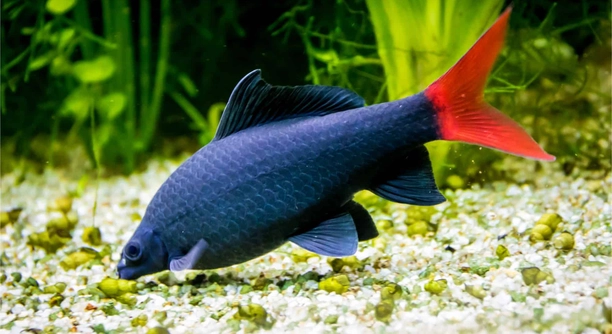
Keeping a Rainbow Shark as a pet can be rewarding but requires proper care to ensure its well-being. These fish need specific conditions to thrive in a home aquarium. Understanding their needs helps maintain a healthy and happy environment.
Rainbow Sharks require a clean tank, balanced diet, appropriate tank mates, and proper water conditions to stay healthy and active. Regular monitoring and maintenance are essential for their overall well-being and stress reduction.
Knowing these basics can improve your Rainbow Shark’s quality of life and help you enjoy watching its vibrant colors and lively behavior.
Provide a Spacious and Well-Filtered Tank
Rainbow Sharks are active swimmers that need plenty of room to explore. A tank size of at least 30 gallons is recommended to accommodate their movement and reduce territorial behavior. Without enough space, they may become stressed or aggressive. Using a reliable filtration system is also important because these fish produce a moderate amount of waste. A good filter keeps the water clean and oxygen-rich, which helps prevent illness. Regular water changes are necessary to maintain water quality and remove harmful toxins. Keeping the tank environment stable will support the fish’s health and vibrant colors.
A large, clean tank encourages natural behavior and reduces stress in Rainbow Sharks.
When setting up a tank, choose a long aquarium rather than a tall one because Rainbow Sharks prefer horizontal swimming space. Include hiding spots like plants or caves to give them safe areas. Avoid overcrowding the tank with too many fish to minimize aggression. Good filtration combined with routine maintenance creates a stable habitat, essential for keeping your Rainbow Shark lively and healthy over time.
Feed a Balanced Diet
Feeding your Rainbow Shark a balanced diet is key to its health.
They eat a variety of foods, including flakes, pellets, and live or frozen options like bloodworms and brine shrimp. Providing a mix of protein and vegetable matter ensures they get proper nutrition. Overfeeding can lead to water pollution and health problems, so feeding small amounts twice a day is best.
Rainbow Sharks are omnivores and benefit from diverse food choices that meet their nutritional needs. Feeding them too much or too little can cause issues like obesity or malnutrition. It’s helpful to observe their eating habits and adjust portions accordingly. Supplementing with occasional live foods encourages natural hunting behavior and keeps them active. Including some plant-based food supports digestion and adds variety. Proper feeding supports growth, coloration, and energy levels, making your Rainbow Shark a more vibrant addition to your aquarium.
Maintain Stable Water Conditions
Rainbow Sharks need consistent water conditions to stay healthy. Sudden changes in temperature or pH can stress them and cause illness.
The ideal temperature for Rainbow Sharks is between 72 and 79 degrees Fahrenheit. The pH should be kept near neutral, around 6.5 to 7.5. Regularly test the water to catch any shifts early. Stability in these parameters helps reduce stress and promotes a longer lifespan. Avoid placing the tank in direct sunlight or near heat sources that can cause fluctuations. Maintaining proper water hardness and ensuring ammonia and nitrite levels are zero is also important for their health.
Using a reliable heater and water testing kit makes it easier to monitor these factors. Consistent water quality reduces disease risk and helps your Rainbow Shark remain active and colorful.
Choose Compatible Tank Mates
Rainbow Sharks can be territorial, especially as they mature. Choosing the right tank mates helps prevent conflicts and stress.
Avoid housing them with other bottom dwellers or very small fish, which may provoke aggression or get bullied. Ideal companions are larger, peaceful species that occupy different tank levels. Fish like danios, barbs, or tetras work well. Providing plenty of hiding spaces and a spacious tank also reduces competition. Observe interactions closely after introducing new fish to ensure harmony.
Selecting compatible tank mates ensures a calm environment where your Rainbow Shark can thrive. A peaceful community tank encourages natural behaviors and reduces the risk of injury or stress. Proper planning and monitoring help maintain balance in the aquarium and create a pleasant setting for all species involved.
Provide Hiding Spots
Rainbow Sharks need places to hide and feel secure. Without shelter, they may become stressed or hide constantly.
Use plants, rocks, or aquarium decorations to create safe spaces. These hiding spots help reduce aggression and give your fish a comfortable environment.
Monitor Behavior Regularly
Watching your Rainbow Shark’s behavior helps catch problems early. Changes in activity, eating habits, or color can signal health issues.
Regular observation allows timely action, improving the chances of recovery and keeping your fish happy and healthy.
Avoid Overcrowding
Too many fish in one tank causes stress and fights. Keep the number of fish reasonable for your tank size.
Overcrowding leads to poor water quality and makes it hard for Rainbow Sharks to claim their territory, affecting their well-being.
FAQ
How often should I clean my Rainbow Shark’s tank?
Cleaning the tank regularly is important to keep your Rainbow Shark healthy. You should perform partial water changes of about 20-25% every one to two weeks. Remove any uneaten food and waste to prevent toxin buildup. Clean the filter monthly but avoid washing it with tap water to preserve beneficial bacteria. Keeping the tank clean helps maintain stable water conditions and reduces the risk of disease.
What signs show that my Rainbow Shark is stressed?
Stress signs include hiding too much, loss of color, rapid breathing, or reduced appetite. Aggression or sudden lethargy may also indicate stress. Causes often involve poor water quality, overcrowding, or incompatible tank mates. Addressing these factors quickly improves your fish’s comfort and health.
Can Rainbow Sharks live with other fish?
Yes, but tank mates must be chosen carefully. Peaceful mid to upper-level swimmers like tetras, barbs, or danios usually get along well. Avoid other bottom dwellers or small, timid fish, as Rainbow Sharks can be territorial and aggressive toward them. Providing hiding spots helps reduce conflicts.
What do Rainbow Sharks eat?
Rainbow Sharks are omnivores. They eat flakes, pellets, and live or frozen foods like bloodworms or brine shrimp. Include some vegetable matter such as blanched spinach or zucchini. Feed small amounts twice daily to prevent overfeeding and maintain water quality.
How big do Rainbow Sharks get?
Rainbow Sharks grow up to 6 inches in length. They require adequate tank space to swim freely and avoid stress or territorial aggression. A tank of at least 30 gallons is recommended for one adult Rainbow Shark.
Why is my Rainbow Shark losing color?
Loss of color may result from stress, poor water quality, insufficient nutrition, or illness. Ensuring proper diet, stable water conditions, and minimal stress helps maintain their bright, vibrant colors. If color loss continues, consult a specialist.
How can I prevent aggression in my Rainbow Shark?
Provide enough space, hiding spots, and compatible tank mates. Avoid overcrowding and maintain stable water conditions. Regularly monitor fish behavior and separate aggressive individuals if needed. Reducing stress lowers aggression levels.
Can Rainbow Sharks live in community tanks?
They can, with careful planning. Choose peaceful fish that don’t compete for the same territory or food. Keep the tank spacious and well-maintained to reduce stress and territorial disputes. Watching fish interactions closely is important after introducing new tank mates.
What temperature is best for Rainbow Sharks?
Keep the water between 72°F and 79°F. Use a reliable heater and thermometer to maintain this range. Sudden temperature changes can stress the fish and lead to health problems.
How long do Rainbow Sharks live?
With proper care, Rainbow Sharks live about 5 to 8 years. Providing a spacious, clean tank, good diet, and compatible tank mates contributes to a longer, healthier life. Regular monitoring and maintenance are key to their well-being.
Taking care of a Rainbow Shark requires attention to several important factors. Providing a spacious tank with good filtration is essential for their health. These fish are active swimmers and need room to move freely without feeling crowded. A clean tank helps prevent illnesses and keeps water conditions stable. Regular maintenance like water changes and filter cleaning supports a healthy environment where your Rainbow Shark can thrive.
Feeding a balanced diet is another key part of care. Rainbow Sharks eat a variety of foods, so offering flakes, pellets, and occasional live or frozen treats keeps them healthy and energetic. Overfeeding should be avoided since it can harm water quality and cause health problems. Watching their eating habits helps ensure they get the right amount of food and nutrition. Including plant matter in their diet supports digestion and overall well-being.
Choosing the right tank mates and providing hiding spots can reduce stress and aggression. Rainbow Sharks are territorial and prefer tanks with enough space and safe places to retreat. Compatible fish that swim in different areas of the tank help maintain peace. Monitoring water temperature and quality regularly also keeps them comfortable. Following these basic steps will help maintain your Rainbow Shark’s health, color, and lively behavior for years to come.

Hello,
If you enjoy the content that we create, please consider saying a "Thank You!" by leaving a tip.
Every little bit helps us continue crafting quality advice that supports the health, happiness, and well-being of pets around the world, for pets of all shapes, sizes, and species.
We really appreciate the kindness and support that you show us!