
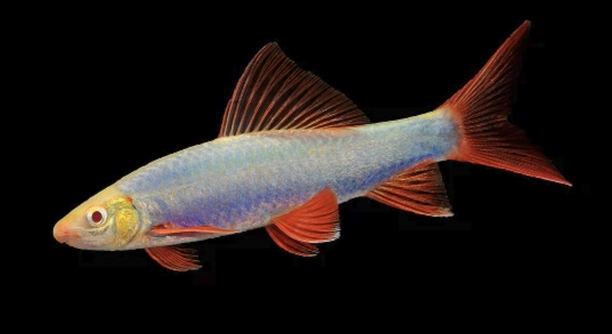
Setting up a tank for Rainbow Sharks requires careful planning to ensure a healthy environment. Many beginners make avoidable mistakes that can harm these fish. Understanding what to avoid can help maintain a balanced and thriving aquarium.
Avoiding common errors like overcrowding, poor water quality, inadequate hiding spaces, and incompatible tank mates is essential. Each factor directly impacts the wellbeing of Rainbow Sharks, influencing their behavior, health, and lifespan in a controlled habitat.
Knowing these pitfalls will help you create a safe and comfortable home for your Rainbow Sharks. The following points provide clear guidance for a successful setup.
Overcrowding the Tank
Overcrowding is one of the biggest mistakes when setting up a Rainbow Shark tank. These fish need enough space to swim freely and establish territories. When too many fish share a small tank, it leads to stress and aggression. Overcrowding also causes poor water quality because waste builds up faster than filtration can handle. This makes it harder to maintain stable conditions for your Rainbow Sharks. A good rule of thumb is to provide at least 20 gallons for one Rainbow Shark, with additional space for other tank mates. Giving them enough room helps reduce stress and supports their natural behavior. Overcrowded tanks often result in unhealthy fish and shorter lifespans. Prioritize tank size and stocking levels to avoid these issues.
Keeping the tank properly stocked ensures healthier fish and a more peaceful environment for everyone.
Balanced stocking helps maintain water quality and reduces territorial conflicts among Rainbow Sharks.
Poor Water Quality
Water quality is crucial for Rainbow Sharks. These fish require clean, well-oxygenated water with stable parameters. Frequent water changes and proper filtration are necessary to keep ammonia, nitrite, and nitrate levels low. Neglecting water quality can cause illness and stress, leading to faded colors or disease. Testing water regularly helps catch problems early. The ideal water temperature is between 74°F and 80°F, with a pH level near neutral (6.5–7.5). Avoid sudden changes in temperature or chemistry, as Rainbow Sharks are sensitive to fluctuations. Maintaining consistent water conditions promotes vibrant colors and active behavior. Filters should be sized appropriately, and regular maintenance is needed to prevent buildup of waste. Setting up a water care routine is one of the most important steps for successful fishkeeping. Proper water quality supports the health and longevity of your Rainbow Sharks.
Incompatible Tank Mates
Choosing the wrong tank mates can cause stress and aggression in Rainbow Sharks. Avoid housing them with slow or very small fish that can become targets. Aggressive or territorial species may also provoke conflicts.
Rainbow Sharks are semi-aggressive and prefer peaceful but robust companions. Ideal tank mates include larger tetras, danios, and barbs that can handle themselves. Avoid slow-moving fish like bettas or goldfish, as Rainbow Sharks may chase or nip them. It’s also important not to add too many bottom dwellers, since they compete for the same space. A well-planned community tank reduces stress for all fish and helps Rainbow Sharks show their best behavior. Proper compatibility keeps the tank peaceful and healthy.
Observing fish behavior after introducing new tank mates can help identify any early signs of trouble. Adjusting the mix may be necessary for long-term harmony.
Lack of Hiding Spaces
Rainbow Sharks need places to hide to feel secure. Without adequate shelter, they become stressed and shy. Hiding spots also help reduce territorial disputes by offering refuge.
Providing caves, plants, and decorations gives Rainbow Sharks spaces to retreat when threatened or resting. Natural or artificial caves and dense plants create these secure zones. Without these, Rainbow Sharks may become overly aggressive or hide constantly in corners, which affects their health. Multiple hiding places spread throughout the tank help distribute territories and lower aggression levels. The tank setup should balance open swimming areas with enough shelter to meet their needs. A thoughtful layout encourages natural behavior and reduces stress-related problems. Proper hiding spots make your tank more comfortable and enjoyable for your Rainbow Sharks.
Overfeeding
Overfeeding can quickly harm Rainbow Sharks. Excess food leads to poor water quality and health issues. Feeding small amounts once or twice a day is best.
Uneaten food decomposes and raises ammonia levels in the tank, stressing your fish. It also promotes algae growth, which can disrupt the balance of the tank. Rainbow Sharks are not greedy eaters and will be healthier with controlled feeding. Using a feeding schedule and removing leftovers helps maintain clean water and reduces disease risks.
Incorrect Substrate
Rainbow Sharks prefer smooth, soft substrates to protect their delicate barbels. Sharp gravel can cause injuries and infections. Sand or fine gravel is ideal.
Insufficient Tank Size
Rainbow Sharks need room to swim and establish territories. A tank smaller than 20 gallons is inadequate for one fish. Crowding causes stress and aggression.
FAQ
How often should I feed my Rainbow Shark?
Feeding your Rainbow Shark once or twice a day with small amounts is sufficient. They don’t require large portions, and overfeeding can quickly pollute the tank. Remove any uneaten food after a few minutes to maintain water quality and avoid harmful buildup.
What is the ideal tank size for a Rainbow Shark?
A minimum of 20 gallons is recommended for one Rainbow Shark. They are active swimmers and need space to establish territories. Larger tanks help reduce aggression and improve water stability, creating a healthier environment for the fish.
Can Rainbow Sharks live with other fish?
Yes, but it’s important to choose compatible species. Peaceful, medium-sized fish like tetras, danios, or barbs work well. Avoid slow, small, or very aggressive fish, as these can cause stress or fights. Monitor interactions carefully after introducing new tank mates.
What type of substrate should I use?
A soft, smooth substrate like sand or fine gravel is best. Rainbow Sharks have sensitive barbels that can get injured on sharp or rough surfaces. Using the right substrate helps prevent infections and keeps your fish comfortable.
How often should I change the water?
Regular water changes are vital. Aim for 20-30% water replacement weekly to keep ammonia and nitrate levels low. This supports good water quality and fish health. Adjust frequency if water tests show rising toxins or cloudiness.
What temperature should I keep my tank at?
Rainbow Sharks thrive between 74°F and 80°F (23°C to 27°C). Keep the temperature stable to avoid stress. Sudden fluctuations can weaken their immune systems and lead to illness. Use a reliable heater and thermometer to maintain consistent conditions.
Why does my Rainbow Shark hide a lot?
Hiding is normal if your fish feels threatened or stressed. Lack of hiding spots, aggressive tank mates, or poor water quality can increase this behavior. Adding shelters and ensuring a peaceful environment usually helps them become more active and confident.
How do I prevent aggression in my Rainbow Shark?
Provide ample space, hiding places, and compatible tank mates. Overcrowding and competition for territory are common causes of aggression. Keeping water clean and stable also reduces stress-related behavior. Regular observation helps catch problems early.
What should I feed my Rainbow Shark?
Feed a varied diet including high-quality flakes or pellets designed for omnivores. Supplement with occasional live or frozen foods like bloodworms or brine shrimp to add nutrition and encourage natural feeding habits. Avoid overfeeding to maintain water quality.
Can Rainbow Sharks live alone?
Yes, Rainbow Sharks can live alone and may even be less aggressive without other Rainbow Sharks competing for space. However, they still need a well-maintained tank with enough space and stimulation to thrive.
These answers cover common concerns about caring for Rainbow Sharks. Following these guidelines helps create a healthy and balanced aquarium that supports their wellbeing.
Setting up a tank for Rainbow Sharks requires attention to detail and careful choices. Avoiding common mistakes is key to keeping these fish healthy and happy. Overcrowding, poor water quality, incompatible tank mates, and lack of hiding places can cause stress and health problems. Feeding the right amount and maintaining proper tank conditions are also important factors. By understanding these basics, you give your Rainbow Sharks the best chance to thrive in captivity.
Rainbow Sharks are active and sometimes territorial fish, so their environment needs to match their natural behaviors. Providing enough space and appropriate companions helps reduce aggression and stress. Clean water with stable parameters supports their immune system and vibrant colors. The right substrate and plenty of hiding spots allow them to feel secure and comfortable. Paying attention to these details makes the aquarium a safe and inviting home.
Taking the time to set up and maintain a well-balanced tank shows in the long-term health and behavior of your Rainbow Sharks. Regular monitoring of water quality and tank conditions helps catch potential issues early. A thoughtful approach to care creates a rewarding experience with these beautiful fish. Keeping these points in mind ensures that your Rainbow Shark tank is both enjoyable and sustainable.

Hello,
If you enjoy the content that we create, please consider saying a "Thank You!" by leaving a tip.
Every little bit helps us continue crafting quality advice that supports the health, happiness, and well-being of pets around the world, for pets of all shapes, sizes, and species.
We really appreciate the kindness and support that you show us!