
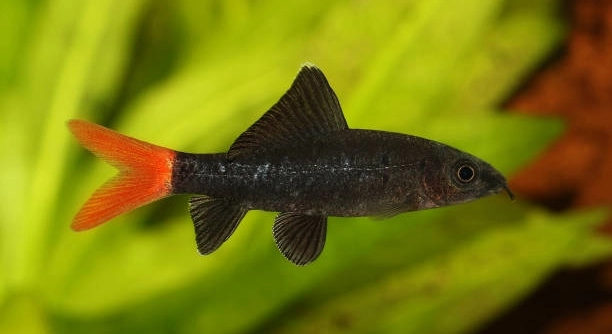
Rainbow sharks are popular freshwater fish often kept in home aquariums. Many fishkeepers are interested in understanding how these colorful creatures reproduce. Knowing about their breeding habits can help create a better environment for them.
Rainbow shark reproduction involves egg-laying, where females deposit eggs on flat surfaces. Males then fertilize the eggs externally. Successful breeding requires specific water conditions and hiding places for the eggs to develop safely.
Learning about these key details will support healthier care and improve your chances of witnessing rainbow shark breeding in your tank.
Understanding the Breeding Environment
Rainbow sharks need the right environment to reproduce successfully. They prefer tanks with plenty of hiding spots, like caves or plants, where females can lay their eggs safely. The water should be clean, well-oxygenated, and kept at a temperature between 75 and 80 degrees Fahrenheit. Slightly acidic to neutral pH levels are ideal. Bright lighting isn’t necessary; dimmer conditions help encourage spawning. Maintaining stable water parameters is important because sudden changes can stress the fish and reduce breeding chances. Providing a separate breeding tank often improves results, as it limits disturbances from other fish.
Having a well-prepared environment makes it easier for rainbow sharks to breed naturally.
If you want to increase your chances of seeing eggs, try setting up a tank that mimics their natural habitat. Include smooth surfaces like broad leaves or flat stones for egg-laying. Keeping water conditions steady and feeding the adults high-quality food also supports healthy reproduction.
Spawning Behavior and Egg Care
Rainbow sharks spawn by scattering eggs on surfaces. The female lays sticky eggs, which the male fertilizes externally. After spawning, the adults may become territorial and sometimes eat the eggs. Removing the adults from the breeding tank soon after spawning helps protect the eggs.
The eggs take about 3 to 5 days to hatch. During this time, they need to be kept in clean water with gentle aeration. The fry are very small and delicate when they hatch, so the tank should be free from predators. Feeding newly hatched brine shrimp or finely crushed fish food helps support their early growth. Regular water changes and careful monitoring will increase the survival rate of the young rainbow sharks.
Feeding During Breeding
Rainbow sharks need nutritious food to support breeding. A diet rich in protein helps both males and females stay healthy and ready for spawning.
Providing live or frozen foods such as bloodworms, brine shrimp, or daphnia encourages spawning behavior. Supplement with high-quality flakes or pellets to keep them balanced. Feeding small amounts several times a day improves their condition.
Avoid overfeeding, as poor water quality can result from leftover food. Clean tanks and good nutrition go hand in hand for successful breeding. Proper feeding not only boosts the adults’ health but also improves the survival rate of the fry once hatched.
Timing and Frequency of Spawning
Rainbow sharks usually spawn during warmer months when water temperatures rise slightly. They may breed multiple times a year if conditions are favorable. In captivity, breeding frequency depends largely on stable water conditions and proper care.
If you keep the environment consistent and provide enough hiding spots, you can expect several spawning events. However, stress or poor water quality will reduce the chances. Observing changes in behavior such as increased activity or chasing signals that spawning is near. Keeping track of these signs helps prepare for egg care and fry protection.
Identifying Male and Female Rainbow Sharks
Male rainbow sharks tend to have slimmer bodies and longer fins than females. Females usually appear rounder, especially when carrying eggs.
Differences can be subtle, so watching their behavior during breeding season helps confirm their sex. Males often chase females in spawning rituals.
Handling Aggression During Breeding
Aggression can increase when rainbow sharks spawn, particularly from males protecting their chosen territory. Providing plenty of space and hiding spots reduces conflicts. Separating overly aggressive fish may be necessary to prevent injury and stress.
Raising Fry Successfully
Once hatched, fry need very small, frequent feedings of specialized food like infusoria or liquid fry food. Keep the tank clean and monitor water quality closely to ensure healthy growth.
What is the best tank setup for breeding rainbow sharks?
A separate breeding tank is ideal for rainbow sharks. It should have plenty of hiding places like caves or plants and flat surfaces for egg laying. Water temperature should be between 75 and 80°F, with stable pH around 6.5 to 7.5. Good filtration and gentle aeration keep the water clean but not too turbulent. Keeping other fish out reduces stress and aggression, improving breeding success.
How can I tell when my rainbow sharks are ready to spawn?
Look for changes in behavior such as males chasing females or increased activity. Males may display brighter colors and erect fins. Females often become fuller in the abdomen as eggs develop. These signs usually appear when water conditions are stable and food is abundant.
How long does it take for rainbow shark eggs to hatch?
Eggs generally hatch in 3 to 5 days, depending on water temperature. Warmer water speeds up development, but temperatures should stay consistent to avoid stressing the eggs. During this period, it’s important to keep the tank clean and free of predators.
Do adult rainbow sharks eat their eggs or fry?
Yes, adults sometimes eat eggs and fry. This behavior is common during breeding because they become territorial or stressed. Removing adults after spawning or using a breeding tank helps protect eggs and fry from being eaten.
What should I feed rainbow shark fry?
Fry need very small, frequent feedings of specially prepared foods. Infusoria, liquid fry food, or finely crushed flakes work well at first. As they grow, introduce newly hatched brine shrimp and finely ground pellets to support their development.
Can rainbow sharks breed in a community tank?
It’s possible but less reliable. Community tanks usually lack the quiet, controlled conditions rainbow sharks need. Other fish may disturb spawning or eat eggs and fry. Using a separate breeding tank is recommended for better success.
How often do rainbow sharks spawn?
They can spawn multiple times a year under the right conditions. Breeding frequency depends on stable water parameters, nutrition, and low stress. Warmer water months encourage more frequent spawning events.
What water parameters support rainbow shark breeding?
Ideal conditions include a temperature between 75-80°F, pH from 6.5 to 7.5, and clean, well-oxygenated water. Regular water changes and gentle filtration help maintain these conditions. Sudden shifts in water chemistry can stop spawning or harm eggs.
How can I reduce aggression during breeding?
Provide enough space and hiding spots to help reduce conflicts. Avoid overcrowding and separate overly aggressive fish if needed. Keeping stress low by maintaining good water quality also helps keep aggression down.
Are there any signs that eggs are not fertilized?
Unfertilized eggs usually turn white or cloudy and may fungus over. Fertilized eggs stay clear or slightly yellowish and develop visible embryos before hatching. Removing unhealthy eggs improves water quality and protects the healthy ones.
What temperature is best for raising rainbow shark fry?
Maintaining around 78°F is best for fry growth. Temperatures too low slow development, while too high can cause stress. Stable temperature and clean water improve survival rates during the early stages.
How long until rainbow shark fry become independent?
Fry start swimming freely and eating on their own within a week of hatching. By 4 to 6 weeks, they grow enough to handle normal aquarium food. At this point, they can gradually be introduced to a larger tank with other fish.
Can rainbow sharks breed without a specific male and female pair?
Breeding requires at least one male and one female. Mixed-sex groups increase chances of spawning because males compete and display behaviors that encourage females to lay eggs. Keeping several fish together supports natural breeding habits.
Is it necessary to condition rainbow sharks before breeding?
Conditioning helps improve breeding success. Feeding a varied diet rich in protein for several weeks prepares the fish for spawning. Clean water and stable conditions during conditioning also support their health and readiness.
What common problems affect rainbow shark reproduction?
Poor water quality, lack of hiding spots, and overcrowding are the main issues. Stress from other fish or unstable temperatures can prevent spawning. Monitoring conditions and providing a quiet breeding area are essential to avoid these problems.
How can I tell if my rainbow sharks are stressed during breeding?
Signs include hiding excessively, loss of appetite, or erratic swimming. Aggression may increase but also signs of weakness can show. Keeping the tank clean, stable, and peaceful reduces stress and supports reproduction.
Breeding rainbow sharks can be a rewarding experience if you understand their basic needs and behaviors. These fish require specific conditions to reproduce successfully, such as clean water, stable temperatures, and plenty of hiding spaces. Providing the right environment helps reduce stress and encourages natural spawning behaviors. It is important to prepare a separate breeding tank where the adults feel safe and the eggs are protected. Watching these fish go through their reproductive cycle can teach a lot about their care and biology.
Taking care of rainbow shark eggs and fry needs patience and attention. Eggs are fragile and must be kept in clean, well-oxygenated water to prevent fungus or decay. After hatching, fry require special food that is very small and easy to eat. Feeding them regularly and maintaining good water quality will help them grow into healthy young fish. It is normal for adult rainbow sharks to become aggressive during breeding, so separating them after spawning helps protect the eggs. Keeping a close eye on the tank and being ready to intervene will improve the survival rates of the young fish.
Overall, understanding rainbow shark reproduction makes it easier to care for these fish and support their natural behaviors. The process takes some effort, but the results can be satisfying for any aquarium keeper. With proper care, you can help your rainbow sharks reproduce safely and raise healthy fry. Following the right steps and staying patient will increase your chances of success. This knowledge also contributes to better long-term care, ensuring your rainbow sharks remain happy and healthy in their home tank.

Hello,
If you enjoy the content that we create, please consider saying a "Thank You!" by leaving a tip.
Every little bit helps us continue crafting quality advice that supports the health, happiness, and well-being of pets around the world, for pets of all shapes, sizes, and species.
We really appreciate the kindness and support that you show us!