
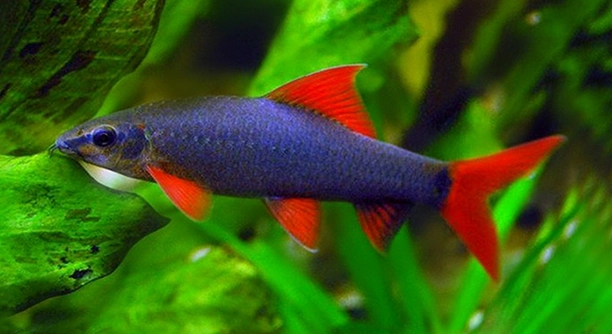
Do you ever find yourself wondering how to keep your rainbow shark healthy and stress-free in a shared aquarium environment? These vibrant fish have specific needs that can be easy to overlook.
Caring for a rainbow shark requires avoiding common mistakes such as housing them with incompatible tank mates, using a tank that’s too small, or neglecting proper water conditions. These issues can lead to stress, aggression, or illness.
Knowing what not to do helps create a peaceful and healthy tank where your rainbow shark can thrive without unnecessary stress or conflict.
Avoid Housing Rainbow Sharks with Other Bottom-Dwellers
Rainbow sharks are territorial and prefer having their own space, especially near the bottom of the tank. When they’re forced to share that space with other bottom-dwellers like loaches, plecos, or catfish, they can become aggressive and stressed. This can lead to fighting, injuries, or the other fish hiding constantly. Even peaceful bottom-dwellers may struggle when placed with rainbow sharks because of this territorial behavior. Choosing the right tank mates is important for creating a balanced environment. Fish that prefer the upper or middle levels of the tank, such as barbs or danios, are usually a better match. It’s not about isolating your rainbow shark but rather giving it the right companions who won’t challenge its need for territory. This helps reduce conflict and supports a more relaxed aquarium. Avoiding incompatible tank mates makes a noticeable difference in the shark’s behavior and overall health.
Bottom space is limited, and rainbow sharks don’t share it well. Choosing fish that swim higher up makes life easier for everyone.
Aggression can quickly become a daily issue in tanks with poor compatibility. Even if things seem peaceful at first, territorial behavior tends to show up over time. Scratches, torn fins, or hiding behaviors are all signs that tank mates aren’t getting along. These signs can go unnoticed if you’re not watching closely, but they can seriously impact the well-being of your fish. You might also find that your rainbow shark becomes more aggressive during feeding times or when other fish come near its chosen hiding spot. Providing plenty of space and adding decor that breaks the line of sight can help, but avoiding bottom-dwellers altogether is usually the safest choice. This not only helps protect other fish but also allows your rainbow shark to establish a secure area without feeling threatened or needing to defend it constantly.
Don’t Keep Them in a Small Tank
Small tanks don’t provide enough space for a rainbow shark’s active swimming habits and strong territorial instincts.
Rainbow sharks need space to swim and establish their own territory. A tank that’s too small can cause stress, aggression, and poor water quality. At minimum, they need a 55-gallon tank, though bigger is always better. Cramped tanks make it harder for them to avoid other fish, which increases the chances of conflict. They also need room to claim a spot for themselves, which they tend to defend fiercely. Smaller tanks fill with waste faster and are more difficult to maintain, putting your fish at greater risk for illness. Even with good filtration, poor circulation and limited swimming room can affect both their health and behavior. Providing a large enough tank with clear zones and plenty of hiding spots reduces tension and allows your rainbow shark to thrive. More space equals fewer problems, both for them and any tank mates you choose.
Avoid Sudden Changes in Water Conditions
Rainbow sharks are sensitive to shifts in water quality. Sudden changes in temperature, pH, or ammonia levels can stress them and lead to health problems. Consistency in water conditions helps support their immune system and reduce aggressive or erratic behavior.
Temperature should be kept between 75°F and 81°F, with a pH range of 6.5 to 7.5. Use a heater and thermometer to monitor changes and prevent rapid fluctuations. Test the water weekly for ammonia, nitrites, and nitrates to ensure the environment remains safe. Changes should always be gradual—never adjust the temperature or pH quickly. Even small shifts can lead to stress-related illness or trigger aggression in an otherwise peaceful fish. If you need to make adjustments, do it over a few days and always monitor your fish closely during the transition. Stability is key to maintaining the shark’s health and avoiding unnecessary issues.
Clean the tank regularly, but avoid replacing too much water at once. A 20–25% weekly water change is ideal. This helps maintain water quality without overwhelming your fish. Using a dechlorinator and letting new water reach the same temperature as the tank water before adding it can prevent shock. Make sure your filter is working properly and not clogged. Poor water circulation and buildup of waste can lead to dangerous spikes in ammonia or nitrites. Pay close attention after feeding—uneaten food can quickly pollute the water. A consistent cleaning routine, along with steady parameters, keeps your rainbow shark comfortable and less likely to show signs of stress or aggression.
Do Not Overcrowd the Tank
Too many fish in one tank will lead to stress, territorial fights, and poor water quality. Rainbow sharks need space and don’t do well in crowded environments. Overcrowding makes them feel threatened, which increases the chance of aggression.
A crowded tank puts unnecessary pressure on both the rainbow shark and any tank mates. Fish compete for space, food, and hiding spots, which raises tension. It also increases waste buildup, which makes water conditions harder to manage. Rainbow sharks in overcrowded tanks often become aggressive, pacing or chasing other fish constantly. Even peaceful tank mates may react poorly under crowded conditions. To avoid this, keep your fish count in check based on your tank size. A 55-gallon tank should not be filled to capacity. Make sure there are open swimming areas and enough decor or plants to break the line of sight. Giving each fish enough space reduces stress and creates a healthier environment overall.
Avoid Bright Lighting with No Hiding Spots
Rainbow sharks need places to retreat, especially when the lights are bright. A tank with strong lighting and no cover can make them feel exposed. This stress can lead to hiding, aggression, or even health issues over time.
Use caves, driftwood, or plants to create shaded areas and secure hiding spots. These help reduce stress and allow your rainbow shark to rest undisturbed. Proper cover also helps manage territorial behavior, giving them their own space to claim without feeling constantly threatened or overstimulated by lighting.
Do Not Feed Them Infrequently or Inconsistently
Rainbow sharks should be fed once or twice daily with a varied diet that includes sinking pellets, vegetables, and occasional protein treats like brine shrimp or bloodworms. Inconsistent feeding can lead to poor nutrition and aggression, especially during feeding times. They may chase or bite other fish out of frustration. Skipping meals weakens their immune system and increases the risk of illness. Sticking to a set feeding schedule helps regulate behavior and maintain overall health. Watch their eating habits and adjust portion sizes if leftovers are visible, as overfeeding can quickly ruin water quality.
Avoid Sharp or Rough Decorations
Rough or jagged tank decorations can injure rainbow sharks as they swim or try to hide. Cuts and scrapes can easily become infected. Choose smooth rocks, soft plants, and rounded decor to keep them safe from harm.
How often should I feed my rainbow shark?
Feeding your rainbow shark once or twice a day is ideal. They thrive on a balanced diet that includes sinking pellets formulated for omnivorous fish, supplemented by vegetables like zucchini or spinach. Occasional protein treats like bloodworms or brine shrimp can be added to their meals. Avoid overfeeding, as leftover food pollutes the tank and harms water quality. Stick to a consistent feeding schedule to maintain their health and behavior.
Can rainbow sharks live with other fish?
Yes, but tank mates should be carefully selected. Rainbow sharks are territorial, especially with other bottom dwellers. Avoid fish that share the same tank zones or have aggressive tendencies. Suitable companions include fast-swimming species that occupy upper or middle tank levels, such as danios or barbs. Always observe behavior when introducing new fish and be prepared to separate if aggression occurs.
What size tank do rainbow sharks need?
A minimum of 55 gallons is recommended. Rainbow sharks are active swimmers and need space to establish territory and explore. Smaller tanks cause stress and aggression, often leading to health problems. Larger tanks allow better water quality control and more space for hiding spots, which reduce territorial conflicts. Bigger is always better for their well-being.
What water conditions do rainbow sharks prefer?
Rainbow sharks thrive in water temperatures between 75°F and 81°F, with a pH range of 6.5 to 7.5. They are sensitive to rapid changes in temperature and water chemistry, so maintaining stable conditions is essential. Regular testing for ammonia, nitrites, and nitrates helps prevent toxic build-up. Gradual water changes and proper filtration ensure a healthy environment.
How can I reduce aggression in my rainbow shark?
Providing plenty of hiding spots and breaking the tank’s line of sight helps reduce aggression. Decor like caves, plants, and driftwood allow them to claim territory without constant confrontation. Avoid overcrowding and select compatible tank mates. Consistent feeding schedules also reduce stress-related aggression, especially during meal times.
Is it normal for rainbow sharks to hide a lot?
Yes, hiding is natural, especially when the tank environment feels stressful or lighting is too bright. Providing shaded areas and shelters encourages healthy behavior. However, excessive hiding might indicate poor water quality, illness, or bullying by other fish. Regular monitoring of water parameters and tank dynamics helps identify issues early.
What should I avoid feeding rainbow sharks?
Avoid feeding exclusively flakes or floating foods since rainbow sharks are bottom dwellers and may miss their meals. Also, avoid overfeeding high-fat or processed foods, which can lead to obesity and water pollution. Stick to sinking pellets and fresh vegetables, with occasional protein supplements to ensure balanced nutrition.
How often should I clean the tank for a rainbow shark?
Weekly water changes of 20-25% are recommended. This helps maintain water quality without stressing your fish. Clean filter media regularly but avoid replacing it all at once to preserve beneficial bacteria. Remove uneaten food and debris daily to prevent ammonia spikes. Regular cleaning supports the health and longevity of your rainbow shark.
Can rainbow sharks be kept alone?
Yes, rainbow sharks can live alone and often do well without tank mates. They are territorial fish that may become aggressive if crowded. Keeping one in a spacious tank with proper decor often reduces stress and aggression. However, if you want a community tank, careful planning is needed to avoid conflicts.
What signs indicate my rainbow shark is unhealthy?
Look for changes in behavior such as lethargy, loss of appetite, excessive hiding, or unusual swimming patterns. Physical signs include faded color, torn fins, white spots, or sores. These symptoms often point to stress, poor water quality, or illness. Immediate action, such as testing water and adjusting care, is necessary to prevent worsening conditions.
Caring for a rainbow shark requires attention to several important details. These fish have specific needs that, when met, allow them to live healthy and peaceful lives in an aquarium. Avoiding common mistakes like overcrowding, poor tank mate choices, and sudden water changes is essential. These factors can cause stress and aggressive behavior, which negatively affect the fish’s well-being. Providing enough space, stable water conditions, and a suitable environment helps your rainbow shark thrive. The care involved is straightforward once you understand what to avoid and how to create the right conditions.
Consistency plays a key role in keeping your rainbow shark healthy. Regular feeding with a balanced diet, stable water temperature, and proper tank maintenance make a big difference. The right tank size and hiding spots also contribute to reducing stress and aggression. Monitoring the tank regularly for signs of illness or discomfort will help catch problems early. This approach to care is both practical and effective, ensuring that your rainbow shark remains an active and colorful addition to your aquarium.
Overall, keeping a rainbow shark is rewarding when done correctly. By paying attention to their natural behaviors and environmental needs, you create a safe and comfortable home for them. Avoiding common pitfalls prevents many issues that could arise. With patience and careful observation, your rainbow shark can live a long, healthy life. Understanding and meeting their requirements makes the experience more enjoyable for both you and your fish.

Hello,
If you enjoy the content that we create, please consider saying a "Thank You!" by leaving a tip.
Every little bit helps us continue crafting quality advice that supports the health, happiness, and well-being of pets around the world, for pets of all shapes, sizes, and species.
We really appreciate the kindness and support that you show us!