
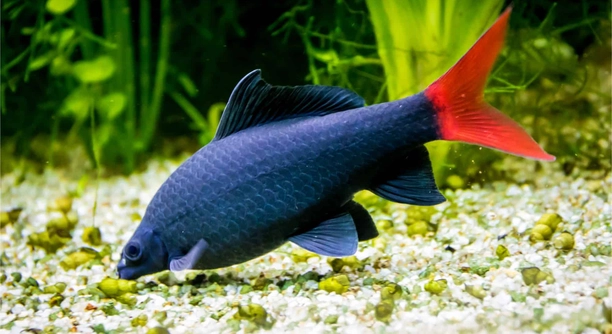
Rainbow sharks are popular freshwater fish known for their vibrant colors and peaceful nature. Many aquarium owners enjoy keeping them because they add life and movement to tanks. Proper care is essential to ensure these fish remain healthy and happy in home environments.
Raising a happy rainbow shark involves providing a spacious tank with clean, well-oxygenated water and maintaining stable temperature and pH levels. Adequate hiding spots and a balanced diet are also critical to their well-being and to reduce stress or aggression.
Understanding the basic needs of rainbow sharks will help you create a supportive environment where they can thrive and display their natural behaviors. This article offers practical tips to guide you in their care.
Choosing the Right Tank Size
Rainbow sharks need plenty of space to swim and explore. A tank that is at least 40 gallons is recommended for one adult rainbow shark. Smaller tanks can cause stress and aggression because these fish like to establish their own territory. Keeping them in a larger tank helps reduce conflicts with other fish and allows for more natural behavior. Along with size, the tank should have a secure lid to prevent jumping, as rainbow sharks are known to leap out of water when startled. Regular cleaning and filtration are important to maintain good water quality. It is also helpful to include smooth decorations and plants, giving the fish places to hide and feel safe. Avoid sharp objects that might injure the shark. Proper tank size combined with good setup supports a healthier and calmer fish.
A larger tank size helps reduce stress and aggression, allowing the rainbow shark to live comfortably with other fish.
Selecting a suitable tank is a foundational step in keeping your rainbow shark happy. The tank’s size influences the water’s stability and the fish’s comfort level. When a tank is too small, waste builds up quickly, which affects water quality and fish health. A bigger tank offers a more stable environment and allows more plants and hiding spots. These elements reduce territorial disputes and give your fish space to swim actively. Consider adding floating plants or caves to break lines of sight, which lowers stress. Testing water regularly for ammonia, nitrite, and nitrate levels is crucial in any tank size but especially in smaller ones. Overall, investing in the right tank setup makes daily care easier and supports the long-term well-being of your rainbow shark.
Providing a Balanced Diet
A rainbow shark’s diet should be varied and nutritious. Feeding them high-quality pellets or flakes designed for omnivores is a good start. They also enjoy live or frozen foods like bloodworms, brine shrimp, and daphnia, which provide essential proteins and nutrients. Including some vegetable matter, such as blanched spinach or zucchini, helps with digestion and overall health. Feeding small amounts twice a day prevents overfeeding and keeps water cleaner. Uneaten food should be removed after a few minutes to avoid contamination. A balanced diet helps maintain the rainbow shark’s bright colors and energy levels.
Offering diverse food sources keeps your rainbow shark healthy and active.
Feeding your rainbow shark the right mix of foods is essential for its vitality. These fish are omnivores, so they need both animal proteins and plant materials. High-quality pellets can serve as the main food, but supplementing with live or frozen options mimics their natural feeding habits. Including vegetables ensures they receive fiber and nutrients that pellets alone may lack. Feeding should be controlled to avoid obesity and water pollution. It is best to feed small portions twice daily and watch for signs of picky eating or stress. If your fish refuses food or appears lethargic, check the water quality and adjust feeding habits. A well-fed rainbow shark is more resistant to disease and shows better coloration, making your tank more vibrant.
Maintaining Water Quality
Regular water changes are essential for keeping your rainbow shark healthy. Changing about 25% of the tank water weekly helps remove toxins and keeps the environment stable. Use a water conditioner to neutralize chlorine and chloramine in tap water before adding it to the tank.
Keeping water parameters stable is key to preventing stress and disease in rainbow sharks. These fish thrive in water with a temperature between 74°F and 80°F, a pH level around 6.5 to 7.5, and low ammonia and nitrite levels. Test your water regularly using a reliable test kit. Consistent filtration and aeration are important to keep oxygen levels high and waste levels low. Overfeeding and overcrowding can quickly degrade water quality, so manage both carefully. A clean and stable tank environment reduces health risks and supports natural behavior in your fish.
Using a good filter helps maintain clean water and provides circulation. Avoid sudden water changes, which can shock your fish and cause health problems. Gradually adjusting water conditions keeps your rainbow shark comfortable and happy over time.
Creating Suitable Hiding Places
Rainbow sharks appreciate having places to hide. Providing caves, plants, and decorations gives them shelter and reduces stress. Hiding spots allow the fish to feel secure and retreat when needed.
Natural decorations like smooth rocks and driftwood can be arranged to form safe areas in the tank. Live plants not only offer hiding spots but also improve water quality by absorbing nitrates. Avoid sharp or rough decorations that may injure your fish. Position hiding places to create separate territories if you keep more than one rainbow shark, which helps limit aggressive encounters. Make sure hiding spots are easy to clean to prevent buildup of waste and algae. Proper shelter supports your fish’s natural instincts and contributes to a peaceful aquarium environment.
Monitoring Behavior Regularly
Observing your rainbow shark daily helps catch early signs of illness or stress. Changes in activity or appetite can signal a problem.
Healthy rainbow sharks are active and curious but may become withdrawn or hide excessively if unwell. Prompt action improves their chances of recovery.
Managing Tank Mates Carefully
Rainbow sharks can be territorial, especially with fish of similar shape or size. Choosing peaceful and different species helps reduce aggression. Avoid overcrowding the tank to limit stress and territorial disputes, keeping the environment calm and balanced.
Keeping the Tank Clean
Regular cleaning removes waste and algae buildup, supporting a healthier environment. Use a gravel vacuum during water changes to clean the substrate without disturbing the fish.
FAQ
How often should I feed my rainbow shark?
Feeding your rainbow shark twice a day with small portions is ideal. This schedule prevents overfeeding, which can lead to poor water quality and health issues. Remove any uneaten food after a few minutes to keep the tank clean. A varied diet helps maintain their bright colors and energy.
Can rainbow sharks live with other fish?
Yes, but tank mates should be chosen carefully. Rainbow sharks are territorial and may become aggressive toward similar-shaped or smaller fish. Peaceful species like tetras, barbs, or danios usually coexist well. Avoid overcrowding to reduce stress and fights.
What water temperature do rainbow sharks need?
Rainbow sharks thrive in water temperatures between 74°F and 80°F (23°C to 27°C). Keeping the temperature stable is important to avoid stress or illness. Use a reliable aquarium heater and thermometer to maintain consistent warmth.
How big do rainbow sharks get?
Adult rainbow sharks typically grow up to 6 inches (15 cm) long. They need enough space in the tank to swim comfortably and establish territory. A tank of at least 40 gallons is recommended to accommodate their size.
Why is my rainbow shark hiding all the time?
Frequent hiding can mean stress, illness, or poor water conditions. Check water parameters and tank setup. Lack of hiding places or aggressive tank mates can also cause this behavior. Ensure the tank offers sufficient shelter and peaceful companions.
How often should I change the water?
Changing 20–25% of the tank water once a week is a good practice. This helps remove toxins, waste, and keeps water parameters stable. Always use a water conditioner to treat tap water before adding it to the tank.
Do rainbow sharks need live plants?
Live plants are beneficial but not required. They improve water quality by absorbing nitrates and offer natural hiding spots. If live plants are not possible, use artificial plants or decorations that provide shelter.
What signs indicate my rainbow shark is sick?
Look for changes in behavior, such as lethargy, loss of appetite, unusual swimming, or visible spots and wounds. Rapid breathing or clamped fins are also warning signs. Test water quality and consider treatment if symptoms persist.
Can rainbow sharks jump out of the tank?
Yes, they can jump, especially if startled or stressed. Always use a secure tank lid to prevent escapes. Keeping the water quality good and providing hiding spots reduces sudden movements and jumping behavior.
Is it okay to keep more than one rainbow shark together?
Keeping multiple rainbow sharks in the same tank can be challenging. They are territorial and may fight if the tank is too small or lacks hiding places. If you want more than one, use a large tank (over 75 gallons) and provide plenty of shelter to reduce aggression.
What should I do if my rainbow shark becomes aggressive?
Aggression can come from territorial disputes or overcrowding. Increasing tank size, adding hiding spots, and separating aggressive fish are effective solutions. Avoid keeping similar-looking species together to reduce competition.
How do I clean the tank without stressing my rainbow shark?
Perform partial water changes and use a gravel vacuum carefully to avoid disturbing the fish too much. Clean decorations and glass gently during water changes. Keep the tank environment stable to minimize stress during maintenance.
Can rainbow sharks live without a heater?
They prefer warm water, so a heater is usually necessary unless your room temperature stays within their ideal range consistently. Without proper heat, they can become weak or ill.
How long do rainbow sharks live?
With proper care, rainbow sharks can live 5 to 8 years in captivity. Good water quality, proper diet, and a well-maintained tank are key to reaching their full lifespan.
Are rainbow sharks aggressive toward smaller fish?
They can show aggression toward smaller fish, especially if they feel threatened. Providing enough space and hiding spots helps limit aggressive behavior. Choose tank mates carefully to avoid conflicts.
What type of filter is best for rainbow shark tanks?
A filter that provides good mechanical, biological, and chemical filtration is best. Canister filters or hang-on-back filters are popular choices. Strong water flow is beneficial, but avoid currents that are too powerful.
Final Thoughts
Taking care of a rainbow shark requires attention to several important details. Providing a large enough tank with clean, well-oxygenated water is essential for their health. Regular water changes and a good filtration system help maintain water quality, which reduces the risk of illness. Keeping the water temperature stable within the ideal range supports their comfort and natural behavior. Small changes or neglect can quickly affect the well-being of these fish, so consistency in tank maintenance is key.
Feeding your rainbow shark a balanced diet is another important aspect of care. Offering a variety of foods such as quality pellets, live or frozen protein sources, and some vegetables ensures they get the nutrients they need. Feeding small portions twice a day helps avoid overfeeding and keeps the tank cleaner. Paying attention to their appetite and behavior can help detect problems early. A well-fed rainbow shark will show brighter colors and be more active in the tank.
Creating a peaceful environment with proper hiding spots and suitable tank mates helps reduce stress and aggression. Rainbow sharks are territorial, so giving them space to establish their own areas makes a difference. Providing natural decorations and plants offers shelter and comfort. Observing their behavior regularly allows for quick action if signs of stress or illness appear. By following these basic care steps, you can enjoy watching your rainbow shark thrive and bring life to your aquarium for many years.

Hello,
If you enjoy the content that we create, please consider saying a "Thank You!" by leaving a tip.
Every little bit helps us continue crafting quality advice that supports the health, happiness, and well-being of pets around the world, for pets of all shapes, sizes, and species.
We really appreciate the kindness and support that you show us!