
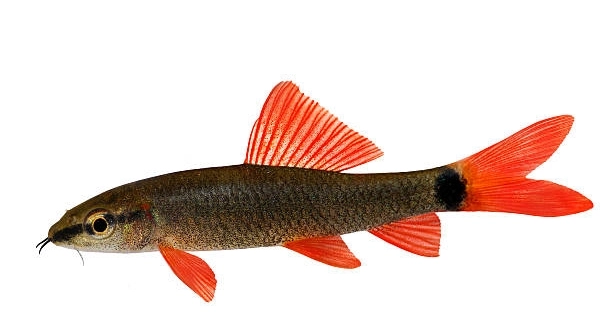
Keeping multiple rainbow sharks in a home aquarium can be rewarding but challenging. These fish are active and need enough space and proper care to thrive together. Understanding their behavior and environment is important for success.
Successfully keeping multiple rainbow sharks requires maintaining adequate tank size, stable water conditions, and a balanced diet. Proper tank setup minimizes aggression and stress, while regular monitoring ensures the health of each fish in the community.
Managing a group of rainbow sharks takes careful attention to their needs and interactions. This article will guide you through practical tips to create a peaceful and healthy aquarium.
Provide Enough Space for Each Rainbow Shark
Rainbow sharks need plenty of room to swim and establish their territories. When you keep multiple sharks, the tank size should be larger than usual to prevent overcrowding. A minimum of 55 gallons is recommended for two or three rainbow sharks, with an additional 10 gallons per extra fish. This space helps reduce stress and aggression among them. A crowded tank leads to fighting, which can cause injuries or even death. Adding hiding spots like plants, rocks, and decorations allows each shark to claim a space and retreat when needed. Proper tank size and layout encourage natural behavior and keep the fish active and healthy.
Providing sufficient space keeps rainbow sharks comfortable and less likely to compete aggressively. It also supports their overall health by maintaining better water quality in a larger tank.
Careful planning of tank size and décor can make a big difference. Creating separate areas with hiding spots lets each shark feel secure. This reduces conflicts and helps maintain peace in the aquarium. Proper space is the foundation for successfully keeping multiple rainbow sharks together.
Maintain Stable Water Conditions
Stable water parameters are essential for rainbow sharks. They thrive in temperatures between 74°F and 80°F, with a pH level around 6.5 to 7.5. Regularly checking water quality helps prevent sudden changes that can stress the fish. Frequent water changes of 20-30% weekly keep ammonia, nitrite, and nitrate levels low. Using a reliable filtration system supports clean and oxygen-rich water, which is vital for their health. Avoid drastic temperature or pH shifts, as these can lead to disease or aggressive behavior. Monitoring and adjusting water conditions consistently is key to keeping rainbow sharks calm and healthy.
Maintaining consistent water quality prevents many common health problems. It also reduces stress, which lowers the chance of aggressive interactions. Keeping water stable creates a safer environment for all fish in the tank.
Feed a Balanced Diet Regularly
Rainbow sharks need a diet rich in nutrients to stay healthy. Feeding them a mix of pellets, flakes, and occasional live or frozen foods provides balanced nutrition. Avoid overfeeding to prevent water pollution and health issues.
A balanced diet supports growth, color, and energy levels. High-quality sinking pellets are ideal because rainbow sharks are bottom feeders. Supplementing with bloodworms, brine shrimp, or vegetable matter helps meet their varied nutritional needs. Feeding small amounts two or three times daily prevents leftover food from fouling the tank. Overfeeding can cause obesity and poor water quality, increasing stress and disease risk.
Consistency in feeding routines helps maintain stable water conditions and keeps the sharks active. Providing a variety of foods mimics their natural diet, improving their well-being and reducing aggressive behavior caused by hunger.
Monitor Behavior and Health Closely
Watching your rainbow sharks closely helps detect early signs of illness or stress. Regular observation allows quick action if problems arise, preventing worsening conditions.
Changes in swimming patterns, loss of appetite, or visible injuries indicate health concerns. Aggression beyond normal territorial behavior may signal overcrowding or poor conditions. Quarantine new fish before adding them to the tank to avoid introducing diseases. Keeping a log of feeding, behavior, and water changes can help identify patterns or triggers for problems. Early intervention increases the chance of recovery and keeps the community peaceful.
Regularly checking health and behavior ensures a safe environment for multiple rainbow sharks. It also helps maintain a balanced aquarium where all fish can thrive together.
Avoid Overcrowding the Tank
Overcrowding causes stress and increases aggression among rainbow sharks. It also leads to poor water quality, which affects their health and behavior.
Keeping too many fish in one tank limits swimming space and increases territorial fights. A spacious tank helps maintain harmony and reduces stress.
Provide Plenty of Hiding Spots
Rainbow sharks need places to hide and feel secure. Adding plants, rocks, and decorations creates territories and reduces conflict.
Hiding spots help shy or weaker sharks avoid aggression. This also makes the aquarium more natural and comfortable for all fish. A well-decorated tank supports peaceful coexistence.
Regularly Clean the Aquarium
Maintaining cleanliness is essential for rainbow sharks’ health. Regular water changes and removing waste prevent toxins from building up.
A clean tank supports better water quality and reduces disease risks. This simple routine keeps the fish active and stress-free.
How many rainbow sharks can I keep together?
The number of rainbow sharks you can keep depends mainly on your tank size. A good rule is one rainbow shark per 20 to 30 gallons of water. For example, a 55-gallon tank can comfortably house two or three sharks. Overcrowding causes stress and increases aggression, so giving each fish enough space is crucial for their health and peaceful behavior.
What tank size is best for multiple rainbow sharks?
For multiple rainbow sharks, a tank of at least 55 gallons is recommended. Larger tanks of 75 gallons or more are even better if you want to keep more than three. Bigger tanks provide more swimming space and allow you to add decorations and hiding places, which help reduce territorial disputes and stress.
What water conditions do rainbow sharks need?
Rainbow sharks prefer water temperatures between 74°F and 80°F, with a pH level from 6.5 to 7.5. They need clean, well-filtered water with low ammonia, nitrite, and nitrate levels. Regular water testing and partial water changes help maintain these conditions, keeping your fish healthy and active.
What should I feed rainbow sharks?
Rainbow sharks eat sinking pellets as their staple diet since they are bottom feeders. Supplement their food with live or frozen treats like bloodworms or brine shrimp. Including some vegetable matter, like blanched spinach or zucchini, also helps provide balanced nutrition. Feed small amounts two to three times a day to avoid overfeeding.
Why are my rainbow sharks fighting?
Rainbow sharks can be territorial and aggressive if they feel crowded or stressed. Fighting often happens in tanks that are too small or lack hiding spots. Adding more space, decorations, and plants can reduce aggression. Sometimes introducing more fish at once can spread aggression, but this works only if there is enough room.
How can I reduce aggression in my tank?
To reduce aggression, provide plenty of hiding places and enough space for each shark to claim a territory. Keep the tank clean and stable to reduce stress. Avoid overcrowding and feed your fish well to prevent hunger-driven fights. Watching their behavior closely helps you intervene early if problems start.
Can rainbow sharks live with other fish?
Rainbow sharks can live with other peaceful fish that occupy different parts of the tank, like middle or top swimmers. Avoid slow-moving or delicate species since rainbow sharks may chase or stress them. Good tank mates include danios, barbs, and some types of tetras, but always watch interactions carefully.
How often should I change the water?
Changing 20-30% of the water weekly is ideal for rainbow sharks. Regular water changes keep ammonia and nitrate levels low, which helps prevent stress and disease. Use a water conditioner to remove chlorine or chloramine from tap water before adding it to the tank.
What signs show that a rainbow shark is sick?
Signs of illness include lethargy, loss of appetite, faded colors, clamped fins, or unusual swimming patterns. Physical symptoms like white spots, sores, or swollen areas also indicate problems. Early detection and treatment are essential to prevent disease spread and improve recovery chances.
How do I quarantine new rainbow sharks?
Quarantining new fish means keeping them separate from your main tank for at least two weeks. This helps prevent diseases from spreading. Use a smaller tank with similar water conditions and observe the new fish for signs of illness. Treat any problems before introducing them to your established aquarium.
Is lighting important for rainbow sharks?
Moderate lighting is best. Too much bright light can stress rainbow sharks, making them hide more often. Adding plants or decorations that create shaded areas helps them feel secure. A regular day and night cycle supports their natural behavior and health.
Can rainbow sharks breed in home aquariums?
Breeding rainbow sharks in home tanks is difficult and rare. They require specific conditions and space that are hard to replicate. Most keepers focus on providing good care for adult fish rather than breeding. If you want to try breeding, separate males and females and provide plenty of hiding spots.
What should I do if my rainbow shark gets injured?
If you notice injuries, isolate the affected fish in a quarantine tank to prevent infection. Clean the main tank and check water quality. Treat wounds with appropriate medications if needed. Keeping the tank clean and stress low helps injuries heal faster.
How long do rainbow sharks live?
Rainbow sharks typically live 5 to 8 years with proper care. Good tank conditions, balanced diet, and low stress contribute to a longer life. Regular monitoring and maintenance increase their chances of staying healthy over time.
Can I keep rainbow sharks alone?
Rainbow sharks can live alone, but they are active and benefit from a larger community tank if space allows. Keeping just one shark in a smaller tank reduces aggression issues. However, some people enjoy the activity and colors of multiple sharks in a well-managed tank.
What are common mistakes to avoid when keeping rainbow sharks?
Common mistakes include overcrowding, poor water quality, overfeeding, and lack of hiding spots. Ignoring water testing or introducing fish without quarantine can cause diseases. Avoid sudden changes in temperature or pH. Regular care and attention prevent these problems and keep rainbow sharks happy.
Keeping multiple rainbow sharks can be a rewarding experience when done carefully. These fish are active and territorial, so they need enough space and a well-planned tank setup to live peacefully together. Providing a large tank with plenty of hiding spots helps reduce aggression and stress. Paying attention to water quality and maintaining stable conditions are also very important. Rainbow sharks thrive in clean, well-filtered water with the right temperature and pH range. By following these simple guidelines, you create a comfortable environment that supports the health and natural behavior of your fish.
Feeding your rainbow sharks a balanced diet is another key factor for their well-being. Offering sinking pellets as a staple food, along with occasional live or frozen treats and some vegetable matter, helps meet their nutritional needs. Avoiding overfeeding prevents water pollution and health issues. Regular monitoring of your fish’s behavior and health can catch problems early, making treatment easier. Watching for signs of stress, illness, or unusual aggression allows you to adjust care routines or tank conditions before things get worse. Consistency and attention to detail play a big role in successful fishkeeping.
Overall, keeping multiple rainbow sharks requires patience and effort, but the results are worth it. A peaceful community tank with healthy, colorful sharks can be very satisfying to watch. Remember that every tank and group of fish is different, so adjusting your care to your specific setup is important. When you provide enough space, proper diet, stable water, and hiding places, you reduce stress and aggression. This creates a balanced environment where rainbow sharks can thrive together. With the right care, your rainbow sharks will remain healthy and lively for many years.

Hello,
If you enjoy the content that we create, please consider saying a "Thank You!" by leaving a tip.
Every little bit helps us continue crafting quality advice that supports the health, happiness, and well-being of pets around the world, for pets of all shapes, sizes, and species.
We really appreciate the kindness and support that you show us!