
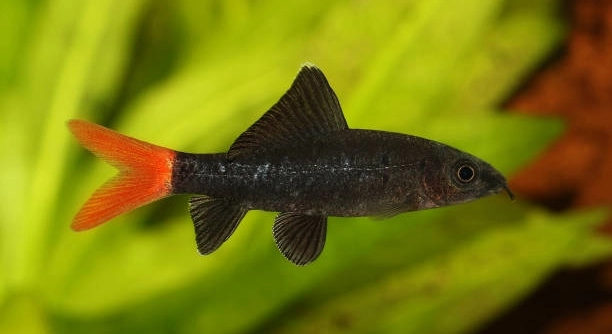
Rainbow sharks are popular aquarium fish known for their vibrant colors and active swimming. Many owners find them shy or withdrawn when first introduced to a new tank environment. Helping these fish become more social can improve their well-being and enjoyment.
Encouraging social behavior in rainbow sharks involves creating a comfortable environment with adequate hiding spaces, maintaining consistent water conditions, offering varied diets, and gradual acclimation to tank mates. Regular interaction and gentle observation can reduce their stress and promote activity.
Understanding these basic steps can make a significant difference in your rainbow shark’s behavior. Small changes often lead to a more engaging and lively pet experience.
Provide Plenty of Hiding Spots
Rainbow sharks feel safer when they have places to hide. Adding caves, plants, and decorations in your tank gives them shelter from bright lights and other fish. These hiding spots reduce stress and help the fish feel more secure. When they feel safe, they are more likely to explore and interact with their environment. Be sure to arrange these spots carefully so the fish have room to swim freely. Avoid overcrowding the tank, which can make the fish nervous and less social. Using natural-looking decorations also helps the fish blend in and feel at ease. Over time, your rainbow shark will become more comfortable moving around and showing its true colors.
A well-decorated tank that mimics their natural habitat encourages social behavior. This simple change can boost their confidence and activity.
Once your rainbow shark feels secure, it will start swimming openly and engaging with other tank mates more often. Regularly changing the tank layout slightly can keep the environment interesting for your fish, preventing boredom and encouraging interaction. Observing how your fish use the hiding spots helps you understand their comfort level and adjust the setup as needed. This approach not only supports their social behavior but also improves their overall health and happiness.
Maintain Stable Water Conditions
Stable water quality is essential for your rainbow shark’s well-being. Sudden changes in temperature, pH, or cleanliness can stress the fish and cause it to hide or become aggressive. Regular testing and careful adjustments help keep the water environment steady. Using a reliable filter and doing partial water changes weekly support cleanliness and stability. Consistency in water parameters creates a calm setting where your fish can relax and socialize naturally.
Gradual Introduction to Tank Mates
Introducing tank mates slowly helps reduce stress. Adding new fish one at a time allows your rainbow shark to adjust and prevents territorial behavior.
Taking time to introduce new fish gradually gives your rainbow shark a chance to get used to the newcomers. Sudden additions can make it feel threatened or shy. Start by placing new fish in a separate container within the tank or a divided section. This allows your rainbow shark to see and smell the new arrivals without direct contact. Over several days, monitor their behavior and look for signs of aggression or fear. If all goes well, slowly remove the barrier and let the fish interact. Keeping an eye on them ensures a peaceful tank environment.
Patience during introductions builds trust between your rainbow shark and other fish. This careful approach reduces fighting and encourages social behavior. Gradually expanding the community makes the tank more lively and balanced. Maintaining this slow process will help your fish feel safe and confident in their home.
Consistent Feeding Schedule
A regular feeding schedule helps your rainbow shark feel secure. Consistency in timing and type of food reduces stress and promotes healthy social habits.
Feeding your rainbow shark at the same times each day creates a predictable routine, which helps lower anxiety. Providing a variety of foods such as sinking pellets, algae wafers, and occasional live or frozen treats encourages natural foraging behaviors. Avoid overfeeding, as excess food can pollute the tank and harm water quality. Watching your fish eat can also help you notice changes in appetite or behavior, indicating health issues. A consistent diet combined with proper feeding practices supports their energy levels and social activity.
Regular feeding times encourage your rainbow shark to be active around other fish, reducing aggression. A well-fed fish is calmer and more likely to engage positively with tank mates. Maintaining this routine will support their long-term health and social development.
Gentle Interaction
Spend quiet time near the tank to help your rainbow shark get used to your presence. Avoid sudden movements to prevent startling the fish.
Over time, your rainbow shark will recognize you and feel less threatened. Speaking softly and moving slowly can encourage curiosity and calm behavior.
Provide Varied Enrichment
Adding items like floating plants or small driftwood pieces offers mental stimulation. These enrichments encourage exploration and reduce boredom in your fish.
Avoid Overcrowding
Too many fish in the tank can cause stress and aggression. Keep your tank population balanced to promote peaceful social interactions.
FAQ
How can I tell if my rainbow shark is stressed?
Signs of stress in rainbow sharks include hiding for long periods, loss of color, erratic swimming, or aggression toward tank mates. They may also refuse food or show physical symptoms like torn fins. Monitoring behavior regularly helps catch stress early before it affects health.
What types of tank mates work best with rainbow sharks?
Rainbow sharks prefer tank mates that are peaceful but active enough to share the space. Avoid slow-moving or overly timid fish that could be bullied. Good companions include danios, barbs, and larger tetras. Always introduce new fish slowly to avoid conflict.
Can I handle my rainbow shark to make it more social?
Handling rainbow sharks is not recommended as it causes stress and can injure them. Instead, interact by spending quiet time near the tank and offering food by hand. This builds trust without physical contact.
How often should I clean the tank?
Partial water changes of 20-25% should be done weekly to keep water quality high. Cleaning filters and removing debris regularly prevents toxins from building up. Stable water conditions are key to social and healthy fish.
What should I feed my rainbow shark for best health?
A varied diet is important. Use sinking pellets formulated for bottom feeders as the base. Supplement with algae wafers, vegetables like zucchini, and occasional live or frozen foods such as bloodworms. Balanced nutrition supports energy and activity.
Why does my rainbow shark hide all the time?
Hiding is natural when the fish feels insecure or stressed. Lack of hiding spots, sudden tank changes, or aggressive tank mates can cause this. Providing plenty of cover and stable conditions helps your fish feel safe and more likely to explore.
Is it normal for rainbow sharks to be aggressive sometimes?
Rainbow sharks can be territorial, especially in small tanks or without enough hiding places. Mild aggression is normal, but constant fighting indicates overcrowding or poor tank setup. Ensuring adequate space and enrichment reduces aggression.
How big should my tank be for a rainbow shark?
A minimum of 30 gallons is recommended for one rainbow shark. Larger tanks help reduce territorial behavior and give room for other compatible fish. Proper space supports healthier and more social fish.
Can lighting affect my rainbow shark’s behavior?
Bright or sudden lighting can stress your rainbow shark. Use dimmed or adjustable lights and provide shaded areas. A consistent day-night cycle helps regulate their activity and social behavior.
What if my rainbow shark refuses to eat?
Refusal to eat may indicate stress, illness, or poor water conditions. Check water parameters first and look for signs of disease. Try offering favorite foods or warming the water slightly to encourage appetite. Persistent refusal requires veterinary advice.
Helping your rainbow shark become more social takes patience and attention to its needs. Creating a safe and comfortable environment is the first step. Providing plenty of hiding spots and maintaining stable water conditions helps reduce stress. When your fish feels secure, it will be more likely to explore the tank and interact with other fish. It is important to observe your rainbow shark regularly to understand how it behaves and adjust its surroundings accordingly. Small changes in the tank setup can have a big impact on the fish’s comfort and social behavior.
Introducing new tank mates slowly is also key to promoting social interaction. Sudden changes can cause your rainbow shark to become shy or aggressive. Gradual introductions allow the fish to get used to each other without stress. Keeping a consistent feeding schedule supports your fish’s health and energy levels, which in turn encourages activity. Providing varied food and enriching the tank with plants or decorations helps prevent boredom. These steps work together to create a balanced and peaceful environment where your rainbow shark can thrive.
Finally, building a relationship with your rainbow shark through gentle interaction strengthens trust. Spending quiet time near the tank and avoiding sudden movements helps the fish become familiar with your presence. Avoid handling the fish, as this can cause unnecessary stress. Instead, focus on creating a calm and stable habitat with proper tank maintenance and clean water. Following these practices will support your rainbow shark’s social growth and overall well-being. Consistency and care are essential for a healthy and happy fish.

Hello,
If you enjoy the content that we create, please consider saying a "Thank You!" by leaving a tip.
Every little bit helps us continue crafting quality advice that supports the health, happiness, and well-being of pets around the world, for pets of all shapes, sizes, and species.
We really appreciate the kindness and support that you show us!