
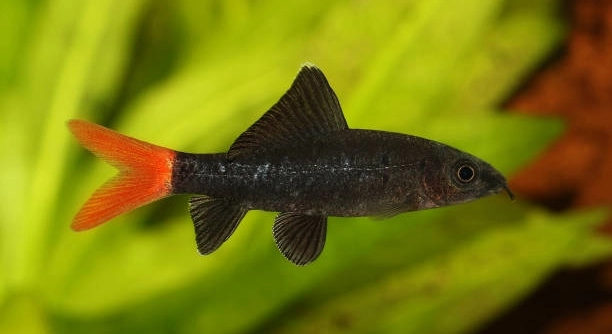
Many people enjoy keeping rainbow sharks as colorful additions to their aquariums. When moving these fish to a new tank, their behavior and health can change. Knowing the signs of adjustment helps ensure their well-being.
Rainbow sharks show clear signs when adapting to a new environment. These include changes in activity levels, appetite, coloration, and interaction with tank mates. Recognizing these behaviors allows owners to support their fish through the transition effectively.
Learning these signs can make the process smoother for both the fish and the owner. It helps maintain a healthy tank and promotes a peaceful environment for all aquatic life.
Changes in Activity Levels
When your rainbow shark is settling into a new tank, one of the first things you may notice is a shift in how active it is. At first, it might seem restless, swimming quickly or hiding more often than usual. This behavior is normal as the fish tries to learn its new environment. Over time, the shark usually becomes calmer and starts exploring the tank more confidently. Sometimes, reduced activity can also mean stress or discomfort, so it’s important to watch closely. If the fish remains inactive for long periods or stops eating, it might be a sign of a problem. Providing plenty of hiding spots and keeping the water clean helps the rainbow shark feel secure. Consistent tank conditions will encourage normal behavior and help the fish regain its usual energy.
Activity changes are a reliable early sign of adjustment. Noticing this helps you act quickly if something is wrong.
Being patient during this phase is important. The shark needs time to feel safe and comfortable before returning to its typical swimming and feeding habits.
Appetite Variations
Appetite changes often go hand in hand with tank adjustments. Your rainbow shark might eat less or skip meals during the first few days after moving. This behavior is common and usually temporary. The stress from relocation or new tank mates can affect its desire to eat. As the fish becomes familiar with its surroundings, its appetite should return to normal. It’s best to offer small, frequent meals rather than large portions, to encourage eating without overwhelming the fish. Watching what and when the shark eats helps you understand how well it’s settling. If appetite loss continues for more than a week, it could indicate illness or poor water conditions. Regular water testing and gentle care will support your rainbow shark’s recovery and comfort.
Pay attention to feeding habits early on to ensure your fish stays healthy.
Adjusting your feeding routine during this time can prevent further stress and promote a smooth transition for your rainbow shark.
Changes in Coloration
Color shifts in your rainbow shark often signal how it’s adjusting. A dull or faded color can mean stress, while brighter hues usually show comfort and good health. These changes help you gauge how well your fish is adapting.
When a rainbow shark moves to a new tank, it might lose some of its vibrant colors. This is a natural response to stress or changes in water conditions. Over time, as the fish settles and the environment stabilizes, colors typically return to their usual brightness. Watching these shifts closely can give you clues about the fish’s well-being and if the tank conditions need improvement. Ensuring the water quality is stable and the environment is calm will support color recovery.
Sometimes, color changes might also come from illness or poor diet. If the fish remains dull despite good care, consider checking for disease or adjusting its nutrition. Providing a balanced diet rich in nutrients helps maintain the rainbow shark’s bright appearance and overall health.
Interaction with Tank Mates
Rainbow sharks may behave differently around other fish when new to a tank. They can be shy or, on the opposite, display territorial behavior. These reactions show how they are coping with the change.
Aggressive or defensive behavior often decreases as the rainbow shark grows more confident in its space. Providing enough hiding places and space reduces conflicts and helps all fish coexist peacefully. Over time, your rainbow shark will likely establish a routine with its tank mates, showing less stress and more natural interaction. Monitoring these behaviors allows you to adjust the tank setup or fish selection to ensure a calm, healthy environment.
Restlessness or Hiding
Restlessness or hiding is common when your rainbow shark first arrives. It may swim quickly or stay hidden to feel safe in the new surroundings.
This behavior usually lessens as the fish becomes more comfortable. Providing hiding spots helps reduce stress and supports its adjustment process.
Increased Gill Movement
Rapid gill movement often signals stress or poor water quality. It means the fish is working harder to breathe.
Check water parameters like ammonia, nitrites, and oxygen levels immediately. Improving water quality often resolves this issue quickly, helping your rainbow shark breathe easier and feel calmer.
Tank Exploration
Rainbow sharks explore their new tanks slowly. They will gradually swim through different areas, checking out hiding spots and territories.
This behavior shows growing confidence and comfort. Watching how your fish explores can help you understand when it feels secure and ready to settle into its new home.
Appetite Loss
A decrease in appetite is normal at first. The rainbow shark might not eat much while adjusting.
How long does it take for a rainbow shark to adjust to a new tank?
Most rainbow sharks start to settle within one to two weeks after being introduced to a new tank. During this time, they may show signs of stress such as hiding, changes in activity, or loss of appetite. However, full adjustment varies depending on tank size, water quality, and the presence of other fish. Patience is key during this period, as rushing the process or making sudden changes can prolong stress. Maintaining stable conditions and minimizing disturbances help the fish feel secure and speed up the adjustment.
What are the best ways to reduce stress for a new rainbow shark?
To reduce stress, keep the tank environment stable and consistent. Avoid sudden changes in water temperature or pH, and provide plenty of hiding spots with plants, rocks, or decorations. Soft lighting can also help the fish feel more comfortable. Feeding small, frequent meals encourages eating without overwhelming the fish. Minimizing loud noises or vibrations near the tank helps as well. Quarantining new fish before introducing them to the main tank prevents disease spread and lowers stress. These simple steps create a calm space that supports your rainbow shark’s transition.
Why is my rainbow shark hiding so much?
Hiding is a natural behavior when rainbow sharks face new surroundings or feel threatened. It is their way of staying safe while they adjust. Lack of hiding places, aggressive tank mates, or poor water quality can increase hiding. To encourage your fish to come out, ensure there are enough shelters and monitor water parameters closely. Avoid overcrowding and watch for any signs of bullying by other fish. Over time, as your rainbow shark feels more secure, it will spend more time swimming openly.
Can changes in water quality affect my rainbow shark’s behavior?
Yes, poor water quality is a major cause of stress and abnormal behavior in rainbow sharks. High ammonia, nitrite, or nitrate levels can cause lethargy, rapid gill movement, or loss of appetite. Changes in pH or temperature outside their preferred range also affect their health. Regular water testing and partial water changes are essential to maintain a healthy environment. Keeping the tank clean and well-filtered helps your rainbow shark adjust and thrive. Always research the ideal water parameters for rainbow sharks and stick to them.
How can I tell if my rainbow shark is healthy after moving to a new tank?
A healthy rainbow shark will gradually return to normal swimming patterns, show vibrant colors, and eat regularly. Bright eyes and smooth, intact fins are good signs. If the fish is active but not aggressive, it indicates comfort. Watch for any unusual spots, swelling, or signs of disease like clamped fins or rapid breathing. Consistent behavior over days suggests good adjustment. If problems persist beyond two weeks, it’s worth consulting a vet or experienced aquarist to rule out illness.
Should I isolate my rainbow shark when introducing it to a new tank?
Isolating your rainbow shark for a few days in a quarantine tank can reduce stress and prevent disease spread. This practice allows you to observe the fish for any signs of illness before mixing it with others. After the quarantine period, slowly introduce the fish to the main tank to minimize shock. However, long-term isolation isn’t recommended, as rainbow sharks are social and benefit from a community environment once healthy and acclimated.
What should I feed my rainbow shark during the adjustment period?
During adjustment, offer small amounts of high-quality sinking pellets or flakes suitable for omnivores. Supplement with occasional live or frozen foods like bloodworms or brine shrimp to encourage eating. Feeding smaller meals multiple times a day helps reduce waste and stress. Avoid overfeeding, as uneaten food can degrade water quality, adding more stress. Once your fish settles, maintain a balanced diet to keep it healthy and vibrant.
Can tank decorations affect my rainbow shark’s adjustment?
Yes, tank decorations play a big role in helping your rainbow shark feel secure. Plenty of hiding spots made from rocks, plants, or caves give the fish places to retreat and reduce stress. Avoid sharp or rough decorations that can injure your shark. Smooth surfaces and natural-looking elements encourage exploration without fear. Changing or rearranging decorations too often can cause stress, so keep the layout stable once the fish begins to settle. A well-decorated tank supports natural behavior and comfort.
Adjusting to a new tank can be a big change for your rainbow shark. It takes time for the fish to feel safe and comfortable in its new home. Watching for signs like changes in activity, color, appetite, and behavior will help you understand how well your fish is adapting. These signs are important clues that tell you if your rainbow shark is settling in or if something might need attention. By paying close attention, you can help your fish stay healthy and happy during this transition.
Creating a stable and calm environment is key to helping your rainbow shark adjust. Consistent water quality, proper temperature, and a good tank setup with hiding spots all make a difference. Avoiding sudden changes and keeping stress levels low will support the fish’s natural behavior and recovery. Feeding small, frequent meals and observing how your rainbow shark responds will also encourage it to eat and regain strength. Taking these steps shows care and patience, which are important to successful fishkeeping.
Remember that each rainbow shark adjusts at its own pace. Some may settle quickly, while others need more time to feel secure. Being patient and giving your fish a safe space to explore helps build trust and confidence. If you notice prolonged stress or health issues, it is important to check water quality and tank conditions, and seek advice if needed. With steady care and attention, your rainbow shark can thrive and become a beautiful part of your aquarium for years to come.

Hello,
If you enjoy the content that we create, please consider saying a "Thank You!" by leaving a tip.
Every little bit helps us continue crafting quality advice that supports the health, happiness, and well-being of pets around the world, for pets of all shapes, sizes, and species.
We really appreciate the kindness and support that you show us!