
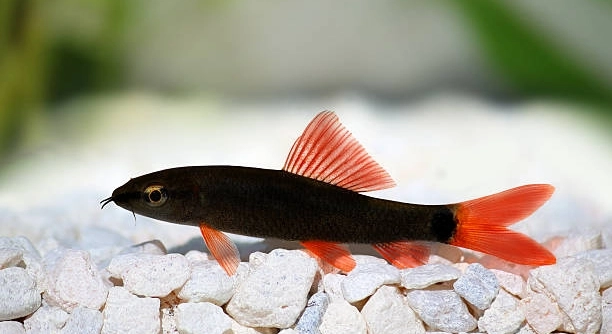
Is your rainbow shark acting aggressive every time a new tankmate is introduced, leaving you unsure of what to do next?
The key to improving your rainbow shark’s tankmate compatibility lies in careful tank planning, appropriate species selection, and consistent monitoring. Creating a balanced environment reduces stress and allows for peaceful coexistence among your aquatic pets.
Learning how to support your rainbow shark’s natural behavior can lead to better tank harmony and a healthier home for all your fish.
Choose the Right Tank Size
Rainbow sharks can be territorial, especially in tanks that are too small. A larger tank helps reduce aggression by giving each fish enough room to establish its own space. A 55-gallon tank or bigger is often recommended, even if you’re only keeping one rainbow shark. The more room there is, the easier it becomes to avoid direct conflict. Proper tank layout also matters—use decorations, caves, and plants to break up the line of sight. This helps fish avoid each other when needed and lowers tension in the tank. Avoid overcrowding, as limited space can stress your fish and trigger defensive behavior. When rainbow sharks feel like their area is being invaded, they often lash out. Keeping the tank spacious, organized, and calm makes it easier for different species to live together peacefully. It’s a simple step that can make a big difference in tankmate compatibility over time.
Smaller tanks force more interactions between fish, which often leads to stress and fighting, especially with semi-aggressive species like rainbow sharks.
Larger tanks not only reduce aggression but also help maintain water quality. More water volume means waste is diluted more easily, which keeps the environment cleaner. A cleaner tank helps keep fish healthier and less prone to stress-related behavior like chasing or nipping.
Select Peaceful and Fast Swimmers
Slow-moving or long-finned fish are often targeted by rainbow sharks, as they can trigger the shark’s instinct to chase. Stick with fish that are quick, peaceful, and prefer to occupy different areas of the tank.
A good tankmate for a rainbow shark is one that stays out of its territory and can avoid confrontation when necessary. Mid- to top-level swimmers like danios, barbs, and some types of rasboras are typically good options. These fish tend to be fast, active, and non-aggressive, which helps prevent conflicts. Avoid bottom-dwellers that may compete with the rainbow shark for space. If you do want to add a bottom-dweller, pick a species that’s quick and assertive enough to stand its ground without being aggressive. Compatibility also depends on the number of hiding spots and how balanced the environment feels. Providing options for retreat and maintaining a peaceful group dynamic can greatly reduce aggressive behavior.
Introduce Tankmates at the Right Time
Adding new tankmates all at once can overwhelm your rainbow shark. Introduce them gradually, allowing the shark to adjust to changes without feeling like its territory is being taken over too quickly. This lowers the chance of territorial outbursts.
Start by rearranging decorations before introducing new fish. This removes any sense of ownership your rainbow shark may have developed and creates a “new” space for all fish. Turn off the tank lights during introductions to reduce visual stress, and keep a close eye on behavior for the first few days. If aggression becomes noticeable, have a backup tank or divider ready to separate fish quickly. Adding tankmates during feeding time may also help distract the shark. These small steps give your rainbow shark less reason to feel threatened and make transitions smoother.
Introducing tankmates while your rainbow shark is still young can also improve compatibility. Younger sharks are usually less territorial and more adaptable to new tankmates. As they grow, they become more set in their ways, so early socialization tends to go more smoothly. That said, monitor behavior regularly, even if things seem calm. Fish behavior can shift over time, especially as they mature or if the tank setup changes.
Maintain a Balanced Male-to-Female Ratio
In tanks where multiple semi-aggressive species live together, a poor male-to-female ratio can increase competition. Too many males may lead to chasing and stress, particularly when space is limited or hiding areas are scarce.
While rainbow sharks are typically kept solo, many compatible tankmates—like barbs or danios—do better in groups with a proper gender ratio. Having more females than males in these schooling species spreads out any unwanted attention and reduces squabbles. This helps maintain a calm tank environment. Observe group dynamics and be ready to rehome or separate fish if aggression increases. It’s also helpful to research each species’ social behavior before purchasing. Some fish thrive best in odd-numbered groups, while others need specific ratios to keep peace. These details make a noticeable difference in how well tankmates interact, especially when one of them is naturally territorial. Keeping things balanced supports long-term harmony in the tank.
Reduce Visual Stress in the Tank
Bright lighting and lack of hiding places can make your rainbow shark feel exposed, leading to more defensive behavior. Use plants, rocks, and caves to break up sightlines and help fish avoid constant visual contact with each other.
Dim lighting and natural decor help create a calmer setting. A peaceful environment lowers stress levels and makes it easier for tankmates to share the space. Adding floating plants or background covers can also soften the tank’s look and help reduce aggression.
Avoid Overfeeding and Maintain a Schedule
Feeding time can quickly become chaotic, especially if fish start competing for food. Overfeeding leads to leftover waste, poor water quality, and higher stress levels. Stick to a consistent feeding schedule and only offer what the fish can eat in a few minutes. Use sinking pellets or separate feeding areas when needed to keep things fair. Balanced feeding keeps your rainbow shark and its tankmates calm, healthy, and less likely to become territorial over food. Consistency makes the environment feel safe and predictable, which helps reduce aggressive outbursts.
Keep the Water Parameters Stable
Fluctuating water conditions can make any fish more irritable. Stable temperature, pH, and ammonia levels are essential for keeping aggression in check. Test the water regularly and make small adjustments as needed to maintain balance.
FAQ
Can rainbow sharks live with other rainbow sharks?
No, rainbow sharks should not be kept together unless the tank is very large—usually over 100 gallons—with plenty of hiding spots and broken sightlines. In most home aquariums, keeping more than one leads to intense aggression. They become territorial as they grow and will often fight, sometimes to the point of injury. Even siblings that were peaceful while young can turn on each other as they mature. If you want a similar-looking fish, consider species that are more community-friendly.
What fish should be avoided as tankmates for rainbow sharks?
Avoid fish that are slow, have long flowing fins, or occupy the same bottom areas of the tank. Bettas, angelfish, and gouramis are often targeted. Rainbow sharks may chase these fish, nip at fins, or stress them until they become ill. You should also avoid other aggressive bottom-dwellers, like red-tail sharks or cichlids, which may compete for space and cause fights. Peaceful but fast-swimming species that occupy the top or middle areas are usually safer choices.
Can rainbow sharks live with bottom-dwellers?
It’s possible but requires careful planning. Choose bottom-dwellers that are fast, confident, and can hold their own without starting fights. Loaches are a common choice, especially species like the yoyo loach or zebra loach. Avoid timid or slow-moving bottom feeders like kuhli loaches or certain types of catfish, as they may be bullied. Make sure there are enough hiding spots and territories to go around. Even with the right setup, close monitoring is important, especially early on.
How do I know if my rainbow shark is stressed?
Look for signs like constant chasing, hiding, refusing to eat, faded color, or erratic swimming. Stressed rainbow sharks may also become more aggressive than usual or retreat into one area of the tank and not move much. Poor water quality, overcrowding, or sudden changes in environment can trigger this behavior. If you notice stress signs, test your water, check the temperature, and review your tank’s layout and stocking levels. Making small adjustments can help return the shark to normal behavior.
Is it okay to add new fish once my rainbow shark is established?
It can be done, but it should be done carefully. Rearranging the tank first helps reset territory boundaries. Introduce new fish during feeding time or with the lights off to reduce stress. Avoid placing the new fish directly near the rainbow shark’s favorite area. If possible, use a tank divider to help them adjust to each other without physical contact. Monitor closely for the first few days and be prepared to remove or isolate fish if aggression becomes an issue.
Do rainbow sharks ever become less aggressive with age?
Not usually. As they mature, rainbow sharks often become more territorial and less tolerant of new tankmates. That’s why it’s best to plan the community while the shark is still young. Early exposure to other species in a peaceful setting may help, but it’s not guaranteed. Older sharks that have lived alone for a while are especially likely to react negatively to new fish.
How can I safely remove an aggressive rainbow shark?
Use a tank divider or net to isolate the shark in one section of the tank. Move slowly and avoid chasing the fish around, which increases stress for everyone. Turn off the lights, remove a few decorations, and guide the shark toward the net gently. If needed, transfer it to a temporary holding tank until you find a better long-term home. Always prepare the new tank with proper water conditions and allow time for acclimation.
Final Thoughts
Caring for a rainbow shark can be rewarding, but it takes planning and patience. These fish are active, unique, and full of personality, but they also need the right environment to live peacefully with others. Tankmate compatibility doesn’t come from chance. It comes from setting up the tank properly, choosing suitable species, and watching how the fish interact. Understanding the rainbow shark’s natural behavior is a big part of keeping the peace in your aquarium. They are territorial by nature, and that instinct becomes stronger as they grow. This is why tank size, layout, and species choice all play an important role.
Even small changes can have a big impact. Rearranging decorations, dimming the lights, or adjusting the feeding routine may help reduce stress and aggression. Simple steps like these help your rainbow shark feel secure without becoming overly dominant. At the same time, they make it easier for other fish to move around without feeling threatened. When things feel calm and balanced, everyone in the tank benefits. Health, behavior, and water quality are all connected. Keeping the tank clean, feeding the right amount, and staying on top of water parameters helps create a stable environment where your fish can thrive.
There’s no perfect rule for every situation, and some trial and error may be necessary. That’s normal. Just be sure to monitor closely when introducing new fish, especially if your rainbow shark is already well-established. Watch for chasing, nipping, or signs of stress, and don’t wait too long to make adjustments if something feels off. Having a backup plan or a temporary tank setup is always a good idea, just in case. With careful observation and a bit of effort, it’s possible to create a tank where your rainbow shark can live comfortably with others. The key is staying aware and making decisions that support a peaceful environment—for the shark and all its tankmates.

Hello,
If you enjoy the content that we create, please consider saying a "Thank You!" by leaving a tip.
Every little bit helps us continue crafting quality advice that supports the health, happiness, and well-being of pets around the world, for pets of all shapes, sizes, and species.
We really appreciate the kindness and support that you show us!