
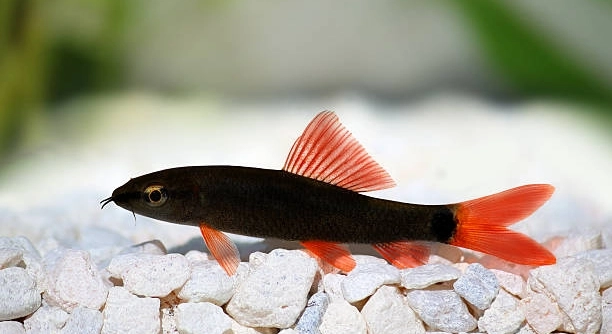
Rainbow Sharks are popular aquarium fish known for their striking colors and active nature. However, these fish can become timid if they feel stressed or insecure in their environment. Many owners struggle with keeping their Rainbow Sharks confident and lively.
The key to preventing a Rainbow Shark from becoming too timid lies in providing a proper tank setup, maintaining stable water conditions, offering hiding spots, avoiding overcrowding, and minimizing sudden disturbances. These factors collectively support the fish’s natural behavior and well-being.
Learning how to create a balanced environment will help your Rainbow Shark feel safe and comfortable. This guide will offer practical tips to keep your fish active and happy in your aquarium.
Provide Plenty of Hiding Spots
Rainbow Sharks feel safer when they have places to hide. In a tank without enough shelter, they may become shy or stressed. Using decorations like caves, plants, and rocks helps create a natural environment. These spots give the fish a break from bright light and sudden movements. When your Rainbow Shark can retreat, it feels more secure and will show more active behavior. Hiding spots also reduce aggressive encounters by giving shy fish space to avoid dominant tank mates. Make sure hiding places are spread out evenly to help all fish in the tank. Clean and arrange these spots carefully to keep the tank healthy. Over time, your Rainbow Shark will explore more once it feels confident in its safe zones.
Creating these areas in your tank will greatly improve your fish’s comfort and reduce timid behavior.
Using a variety of hiding places keeps your Rainbow Shark calm and encourages natural activity. It helps balance their social interactions and reduces stress in the aquarium.
Maintain Stable Water Conditions
Stable water quality is essential for Rainbow Sharks to thrive. These fish are sensitive to changes in temperature, pH, and ammonia levels. Sudden shifts can cause stress and lead to timid behavior or illness. It is important to regularly test water parameters and perform partial water changes to keep conditions consistent. A filter suited for your tank size will help remove waste and maintain clean water. Avoid overcrowding, as too many fish can quickly degrade water quality. A steady environment allows your Rainbow Shark to feel secure and display natural behaviors. Monitoring water conditions also prevents diseases that might make your fish hide more than usual.
Keeping the water stable means your Rainbow Shark stays healthy and confident.
Maintaining steady water conditions is one of the most important ways to reduce stress for your Rainbow Shark. Frequent testing and care keep your tank safe for all fish. Fluctuations in water temperature or chemistry can cause your fish to retreat into hiding. Ensure your tank is well-filtered and free from harmful chemicals by doing regular water changes. It helps to introduce any new fish slowly to avoid sudden changes in water quality. Remember, your fish depend on a balanced habitat, so avoid rushing maintenance tasks. This steady care will support a lively and less timid Rainbow Shark in your aquarium.
Avoid Overcrowding
Too many fish in one tank create stress and competition, making your Rainbow Shark more timid. Overcrowding can lead to poor water quality and increase aggression among fish. Keeping the right number of fish helps maintain balance.
A crowded tank leaves little room for swimming or hiding, which Rainbow Sharks need. These fish are territorial and may feel threatened if space is tight. When stressed, they hide more and become less active. It’s important to research the ideal tank size and stocking levels before adding fish. A larger tank allows each fish enough space to establish its territory and reduces conflicts. Proper spacing also makes it easier to maintain water quality, which benefits all your fish.
Regularly check your tank’s population and consider rehoming extra fish if needed. This will help your Rainbow Shark feel secure and behave naturally.
Minimize Sudden Movements and Noise
Rainbow Sharks are easily startled by quick movements and loud noises near the tank. Frequent disturbances cause stress, leading to shyness or hiding. Reducing sudden activity helps your fish stay calm.
Keep the area around your aquarium quiet and avoid tapping the glass or sudden lighting changes. If your tank is in a busy room, consider moving it to a quieter spot. Gentle interaction is best, like slowly approaching the tank when feeding. Consistent calm environments make your Rainbow Shark more comfortable and willing to explore. This reduces timid behavior and improves overall health.
By managing noise and movement around the tank, you create a peaceful habitat where your Rainbow Shark feels safe and secure. This care allows the fish’s natural colors and personality to shine through.
Feed a Balanced Diet
A healthy diet keeps your Rainbow Shark energetic and confident. Providing varied food helps meet nutritional needs and prevents boredom. Avoid overfeeding, as it can cause health problems.
Quality flakes, pellets, and occasional live or frozen foods work well. Feeding small amounts twice daily maintains good health. Balanced nutrition supports vibrant colors and active behavior.
Keep Tank Lighting Moderate
Bright lighting can stress Rainbow Sharks, making them hide. Use dim or adjustable lights to mimic natural conditions. Moderate lighting helps them feel secure and more visible.
Too much light may cause anxiety, while too little can reduce activity. Finding the right balance supports natural rhythms and comfort in the aquarium.
Regular Tank Cleaning
Maintaining a clean tank is vital for your Rainbow Shark’s health. Remove uneaten food and waste to keep water clear and safe. Clean tanks reduce stress and prevent illness.
Regular partial water changes and substrate cleaning keep conditions stable. This encourages your fish to be active and less shy.
Why does my Rainbow Shark hide all the time?
Rainbow Sharks often hide because they feel stressed or threatened. This can happen if the tank is too small, crowded, or lacks hiding spots. Sudden changes in water conditions or aggressive tank mates can also cause them to seek shelter. Providing a calm environment with enough space and places to hide helps reduce this behavior.
How can I help my Rainbow Shark become less shy?
To help your Rainbow Shark feel more confident, create plenty of hiding places and maintain stable water conditions. Avoid sudden noises or movements near the tank, and keep the lighting moderate. Feeding a balanced diet regularly also improves their health and activity levels, encouraging them to explore rather than hide.
What tank size is best for a Rainbow Shark?
A tank of at least 30 gallons is recommended for one Rainbow Shark. These fish are active swimmers and need room to roam. Bigger tanks reduce stress by giving them space to establish territories and avoid conflicts. Overcrowding in smaller tanks often leads to timid or aggressive behavior.
Can Rainbow Sharks live with other fish?
Yes, but choose tank mates carefully. Rainbow Sharks can be territorial and aggressive toward smaller or similar-shaped fish. Peaceful, larger species that occupy different tank levels, like catfish or danios, usually get along well. Avoid keeping multiple Rainbow Sharks in a small tank, as this often causes stress.
What are signs that my Rainbow Shark is stressed?
Signs include hiding often, loss of color, reduced appetite, and sluggish movement. Stress can weaken their immune system, making them more prone to disease. If you notice these behaviors, check water quality, tank mates, and environmental conditions immediately.
How often should I clean my Rainbow Shark’s tank?
Partial water changes of about 20-30% every week or two help keep the tank clean and the water stable. Remove uneaten food and waste regularly to prevent buildup. Avoid full water changes, as sudden shifts can stress your fish.
What is the best diet for a Rainbow Shark?
Rainbow Sharks are omnivores. Provide a mix of high-quality flakes or pellets designed for tropical fish, supplemented with live or frozen foods like bloodworms or brine shrimp. Occasionally offering vegetables like zucchini or spinach can also be beneficial. Feed small amounts twice daily to avoid overfeeding.
Why does my Rainbow Shark chase other fish?
Chasing is often a sign of territorial behavior, especially if the tank is too small or crowded. Rainbow Sharks defend their space to feel secure. Increasing tank size or adding more hiding spots can reduce this aggressive behavior.
Can lighting affect my Rainbow Shark’s behavior?
Yes, intense lighting can cause stress, making your Rainbow Shark hide more. Use moderate or dim lighting to create a comfortable environment. Simulating a natural day-night cycle helps maintain normal activity patterns.
How do I introduce a new Rainbow Shark to my tank?
Quarantine new fish for a few weeks to prevent disease spread. When adding a Rainbow Shark, do it slowly by floating the bag in the tank to match water temperature. Rearrange decorations to break existing territories and reduce aggression.
What water parameters are ideal for Rainbow Sharks?
Maintain water temperature between 72°F and 79°F (22°C–26°C). pH should be between 6.5 and 7.5, with low ammonia and nitrite levels. Stable conditions prevent stress and promote natural behavior.
How can I tell if my Rainbow Shark is healthy?
A healthy Rainbow Shark has bright colors, clear eyes, smooth fins, and steady swimming. It should actively search for food and interact with its environment. Lethargy, faded colors, or torn fins may indicate illness or stress.
Why is my Rainbow Shark not eating?
Loss of appetite often signals stress, illness, or poor water quality. Check tank conditions and look for signs of disease. Offering varied foods or feeding at different times may help stimulate eating.
Is it normal for Rainbow Sharks to be more active at certain times?
Yes, Rainbow Sharks are typically more active during the day and may rest at night. However, sudden inactivity or hiding outside these times could indicate problems.
How can I reduce aggression in my Rainbow Shark?
Provide enough space and hiding spots to allow fish to establish territories. Avoid overcrowding and choose compatible tank mates. Reducing stressors like sudden noises and maintaining good water quality also helps limit aggressive behavior.
Taking care of a Rainbow Shark can be very rewarding, especially when you see it swim confidently and show its bright colors. These fish are known to become timid if their environment is not well suited to their needs. By paying attention to factors like tank size, water quality, hiding spots, and the right diet, you can help your Rainbow Shark feel secure and active. Keeping a calm and balanced environment is key to preventing shyness and stress in these fish.
Rainbow Sharks need enough space to swim and places to hide. Overcrowded tanks or those without shelter make the fish nervous. Stable water conditions also play a big role in their comfort. Frequent water tests and regular cleaning help keep the water safe and healthy. Loud noises or sudden movements can startle your fish, so it is important to create a peaceful setting around the tank. Feeding your Rainbow Shark a balanced diet keeps it strong and energetic, which reduces timid behavior.
By following these simple steps, you encourage your Rainbow Shark to behave naturally and enjoy its surroundings. Remember that patience is important because fish may take time to adjust to new changes. Watching your Rainbow Shark grow more confident is a good sign that you are meeting its needs. A well-cared-for Rainbow Shark can live happily for many years, adding life and color to your aquarium.

Hello,
If you enjoy the content that we create, please consider saying a "Thank You!" by leaving a tip.
Every little bit helps us continue crafting quality advice that supports the health, happiness, and well-being of pets around the world, for pets of all shapes, sizes, and species.
We really appreciate the kindness and support that you show us!