
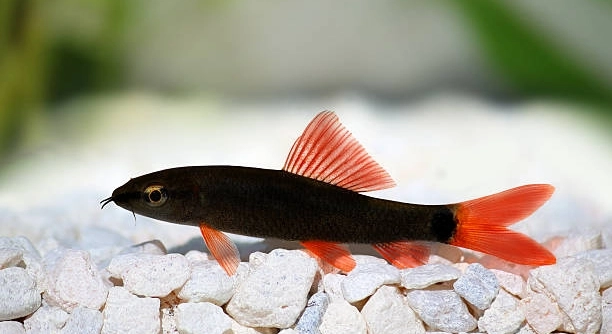
Rainbow sharks are popular freshwater fish in many home aquariums. They have a sleek body and bright colors that catch attention easily. Knowing about their lifespan helps owners care for them better over time.
Rainbow sharks typically live between 5 and 8 years in captivity, with proper care being essential to reach their full lifespan. Factors like water quality, diet, and tank conditions significantly influence their longevity and overall health.
Learning these facts can improve how you care for your rainbow shark and keep it healthy for years. The details behind their lifespan hold useful tips for every fish enthusiast.
Factors Affecting Rainbow Shark Lifespan
Several key factors influence how long a rainbow shark can live. Water quality is crucial; these fish need clean, well-oxygenated water with stable temperature and pH. Poor water conditions cause stress and illness, reducing their lifespan. Diet also matters—a balanced, varied diet rich in protein keeps them healthy and active. Tank size is another important consideration. Rainbow sharks are active swimmers that need ample space to move. Crowded tanks can lead to aggression and stress, shortening their life. Finally, compatible tank mates help reduce stress, as rainbow sharks can become territorial if housed with aggressive or overly passive species. Understanding and managing these elements will improve their chances of living longer and healthier.
Proper tank maintenance and a good diet are essential. Regular water changes and testing keep conditions stable. Feeding a mix of pellets, flakes, and occasional live or frozen food supports their nutrition.
Knowing these details helps you provide a better environment. Small changes can have a big impact on their lifespan and happiness.
Signs of Aging in Rainbow Sharks
Rainbow sharks show clear signs as they age. Their colors may fade and activity levels slow down. Older fish often rest more and swim less actively. You might also notice minor changes in their body shape or fins. These signs are normal but should prompt closer attention to their care. Providing a calm, clean environment becomes even more important to support their health during aging.
Observing these changes helps you adjust their care to fit their needs better.
Taking note of these signs allows you to act early. Older rainbow sharks need gentle handling and a stable environment to avoid unnecessary stress. Adjust feeding amounts and keep their habitat clean to support their declining health. Regular check-ups will also help spot any developing health problems. Being aware of their aging process ensures they live comfortably in their later years. This way, you can enjoy watching your rainbow shark thrive for as long as possible.
Common Health Issues
Rainbow sharks can face health problems that affect their lifespan. Common issues include fin rot, ich, and swim bladder disorders. These illnesses often come from poor water quality or stress. Early detection and treatment improve their chances of recovery.
Fin rot causes the fins to appear ragged and can worsen if untreated. Ich shows as white spots on the body and fins, making fish scratch against objects. Swim bladder problems affect balance and swimming ability. Maintaining clean water and avoiding overcrowding help prevent these conditions. If symptoms appear, quick action with proper medication is necessary to keep your fish healthy.
Preventive care like regular tank cleaning and monitoring water parameters is essential. Good nutrition strengthens their immune system, helping fight off infections and stress-related illnesses. Being proactive will reduce the risk of serious health problems and support a longer life for your rainbow shark.
Tank Size and Environment
Tank size plays a crucial role in rainbow shark health. A minimum of 30 gallons is recommended to provide enough swimming space. Small tanks cause stress and increase aggression, which shortens their lifespan.
A proper environment includes hiding places like plants and rocks to reduce stress and provide shelter. Lighting should mimic natural conditions but avoid harsh or constant brightness. Consistent temperature, ideally between 74-80°F, supports their well-being. Keeping water clean with regular filtration and partial water changes prevents toxic buildup that harms fish. This setup ensures your rainbow shark stays active and healthy, promoting a longer life.
Diet and Nutrition
Rainbow sharks need a balanced diet to stay healthy. High-quality pellets or flakes designed for omnivores work well. Supplementing with live or frozen foods like bloodworms or brine shrimp adds variety and essential nutrients.
Avoid overfeeding, which can pollute the tank and harm their health. Feeding small amounts two to three times daily keeps them active and nourished without causing water issues.
Stress and Behavior
Stress shortens rainbow sharks’ lives significantly. They are territorial and can become aggressive if overcrowded or kept with incompatible tank mates. Providing enough space and suitable companions reduces stress and improves their well-being.
Minimizing sudden changes in the environment also helps keep stress low. A calm, stable setting supports a healthier, longer life.
Water Parameters
Maintaining stable water parameters is vital. pH should stay between 6.5 and 7.5, and temperature between 74-80°F. Sudden shifts cause stress and health issues.
Regular testing and adjustments ensure the environment remains safe for your rainbow shark.
Breeding Impact
Breeding can affect rainbow shark lifespan. Frequent breeding stresses the fish and may reduce their longevity. It is best to avoid constant breeding to maintain health and vitality.
FAQ
How long do rainbow sharks usually live?
Rainbow sharks typically live between 5 and 8 years in a well-maintained aquarium. Proper care, including good water quality, a balanced diet, and enough space, helps them reach their full lifespan. Poor conditions can shorten their life significantly.
What is the ideal tank size for a rainbow shark?
A tank of at least 30 gallons is recommended. This size gives them enough room to swim actively and reduces stress caused by crowding. Larger tanks are even better if you plan to keep multiple fish.
Can rainbow sharks live with other fish?
Yes, but careful selection is important. Rainbow sharks are territorial, so tank mates should be fast swimmers and not too aggressive. Avoid small, slow, or shy fish to prevent conflicts.
What should I feed my rainbow shark?
A varied diet including high-quality pellets, flakes, and occasional live or frozen foods like bloodworms or brine shrimp is best. This variety provides the nutrients they need to stay healthy and active.
How often should I feed them?
Feeding two to three small meals a day works well. Avoid overfeeding as leftover food pollutes the tank and can cause health problems.
What water conditions do rainbow sharks need?
Keep the water temperature between 74-80°F and pH between 6.5 and 7.5. Stable water parameters reduce stress and help prevent diseases. Regular water testing is important.
What are common diseases in rainbow sharks?
Fin rot, ich, and swim bladder problems are common. These often result from poor water quality or stress. Early treatment improves recovery chances.
How can I reduce stress for my rainbow shark?
Provide enough space, suitable tank mates, and hiding places. Avoid sudden changes in water conditions or tank setup. A stable environment promotes well-being.
Do rainbow sharks need hiding spots?
Yes, plants, rocks, and caves help them feel secure. Hiding places reduce stress and prevent territorial fights.
How do I know if my rainbow shark is aging?
Signs include faded colors, slower movement, and less activity. Older fish may rest more and show minor body changes.
Can breeding affect their lifespan?
Yes, frequent breeding stresses rainbow sharks and can shorten their lifespan. Limiting breeding helps maintain their health.
How often should I clean the tank?
Partial water changes of 20-30% every week or two keep the water clean. Regular filter maintenance also prevents toxic buildup.
Can poor diet shorten their life?
Definitely. A poor diet leads to weakened immune systems and makes fish vulnerable to diseases. A balanced diet supports longevity.
Is overcrowding harmful?
Overcrowding increases stress, aggression, and waste buildup, all of which harm rainbow sharks. Providing enough space is key.
What temperature fluctuations are safe?
Keep temperature changes minimal, ideally within one or two degrees. Sudden shifts can stress fish and cause illness.
How long can a rainbow shark live in the wild?
In natural habitats, their lifespan is often shorter due to predators and environmental changes. Captive care usually allows them to live longer.
Can rainbow sharks recognize their owners?
They may recognize movement and feeding routines but are not known for strong social bonds with humans.
Is it necessary to quarantine new fish?
Yes, quarantining new tank mates prevents introducing diseases. It protects your rainbow shark’s health.
What should I do if my fish shows signs of illness?
Isolate the sick fish if possible and test water parameters. Consult a vet or aquarium specialist for proper treatment. Early action improves survival chances.
Taking good care of a rainbow shark means understanding its needs and habits well. Their lifespan depends on many factors, including water quality, tank size, diet, and stress levels. Keeping these factors in check helps the fish stay healthy and live longer. Clean water is very important because poor water conditions can quickly lead to illness. Changing part of the water regularly and using a good filter will keep the tank safe and comfortable for your rainbow shark. Also, keeping the water temperature stable and within the right range helps the fish avoid stress and health problems.
A balanced diet is also key to a rainbow shark’s well-being. Feeding them high-quality food designed for their type, along with some live or frozen treats, keeps their body strong and colorful. It is important not to overfeed, as leftover food can dirty the water and cause harm. Providing enough space in the tank gives the fish room to swim freely, which supports their physical and mental health. Giving them hiding spots and keeping tank mates compatible reduces stress and aggression. Stress is a major factor that can shorten a rainbow shark’s life, so creating a calm environment makes a big difference.
Paying attention to the signs of aging and illness helps manage your fish’s health better. When you notice changes like faded colors or slower swimming, it is a good idea to check the tank conditions and adjust care as needed. Treating health problems early increases the chance of recovery and prevents further issues. Avoiding frequent breeding also helps maintain the fish’s strength and lifespan. Overall, consistent care and attention to their environment are the best ways to enjoy your rainbow shark for many years. Taking time to learn and apply these basics will benefit both you and your fish, creating a peaceful and healthy home for them.

Hello,
If you enjoy the content that we create, please consider saying a "Thank You!" by leaving a tip.
Every little bit helps us continue crafting quality advice that supports the health, happiness, and well-being of pets around the world, for pets of all shapes, sizes, and species.
We really appreciate the kindness and support that you show us!