
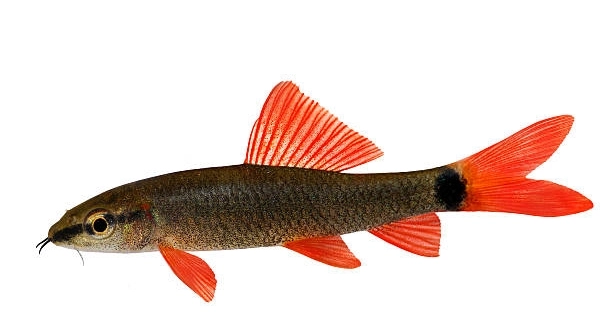
Rainbow sharks are popular freshwater fish known for their vibrant colors and active nature. Many fishkeepers want to create a peaceful environment where these sharks can thrive without stress. A calm habitat supports their health and natural behavior.
Creating a peaceful habitat for your rainbow shark involves maintaining clean water, providing enough space, and including hiding spots. Consistent water quality and compatible tank mates reduce stress and promote well-being in these territorial fish.
These guidelines will help ensure your rainbow shark lives comfortably and harmoniously within your aquarium. The following tips focus on essential care elements for a balanced habitat.
Maintain Excellent Water Quality
Maintaining excellent water quality is critical for the well-being of your rainbow shark. These fish are sensitive to changes in their environment, especially water parameters like ammonia, nitrite, and nitrate levels. Regular water changes help keep harmful substances at safe levels. It is important to test the water weekly using a reliable test kit. The temperature should be stable, ideally between 75°F and 82°F (24°C to 28°C), with a pH of 6.5 to 7.5. Using a good filtration system ensures proper water circulation and oxygenation. Avoid overcrowding the tank to reduce waste buildup. Keeping the substrate clean by vacuuming during water changes also contributes to better water quality. Clean water reduces stress and prevents diseases, allowing your rainbow shark to exhibit natural behavior and maintain its bright coloration. Consistency in these practices is essential for long-term health.
Regular water testing and partial water changes are essential to maintain a healthy environment for your fish.
Proper water conditions are the foundation of a peaceful habitat. Besides regular testing, ensure your filtration system matches the tank size. Biological filters support beneficial bacteria that break down toxins, keeping the water stable. Avoid sudden changes in temperature or chemistry, as these can shock the fish. Adding live plants can help absorb nitrates and improve water quality. When performing water changes, replace no more than 20-30% at a time to avoid stressing the fish. Monitoring and maintaining these parameters prevents common health problems like fin rot and swim bladder issues. Attention to water quality promotes a calm atmosphere, helping your rainbow shark feel secure.
Provide Adequate Space and Hiding Spots
Rainbow sharks require enough space to swim freely and establish their territory. A tank size of at least 30 gallons is recommended for one adult. Without enough room, they can become aggressive and stressed. Adding hiding spots like caves, driftwood, and dense plants offers refuge. These spots reduce territorial disputes and provide shelter during rest. Using decorations to create separate zones helps minimize conflicts. Avoid sharp or rough objects that might injure your fish. A well-arranged tank supports their natural instincts and keeps them comfortable.
Sufficient space and well-planned hiding areas reduce stress and aggressive behavior in rainbow sharks.
When planning the tank setup, consider the fish’s active nature and territorial behavior. Creating multiple hiding spots allows the rainbow shark to retreat if threatened by tank mates. Use smooth rocks, PVC pipes, or commercial aquarium caves for shelter. Live or artificial plants can soften the environment and provide additional cover. Position decorations to break the line of sight between fish, lowering aggression. A spacious, thoughtfully designed tank reduces stress, which benefits your fish’s health and longevity. Overcrowding or poorly arranged tanks often lead to fighting and injury. Maintaining adequate space and a variety of hiding places encourages peaceful coexistence with other species. This balanced environment supports the natural behavior of rainbow sharks and enhances your enjoyment as a caretaker.
Choose Compatible Tank Mates
Rainbow sharks are territorial and can show aggression toward certain fish. It is best to select peaceful and fast-swimming tank mates that won’t compete for the same space. Avoid slow-moving or long-finned species, which may become targets of bullying.
Suitable tank mates include danios, barbs, and larger tetras. These fish are active enough to coexist without provoking aggression. Keeping the right number of fish prevents overcrowding and reduces stress. Introducing tank mates gradually and monitoring behavior helps maintain harmony. Avoid aggressive or similarly territorial species to reduce conflict. Providing ample hiding spots also helps all fish feel secure and less likely to fight.
Choosing compatible tank mates is a key step in creating a peaceful habitat. Rainbow sharks need companions that tolerate their territorial nature. Small, quick fish tend to work best, allowing your rainbow shark to remain dominant without constant fighting. Careful selection and proper tank management create a balanced environment, improving the health and happiness of all inhabitants.
Provide a Balanced Diet
A balanced diet supports your rainbow shark’s health and vibrant color. Feed a variety of foods such as high-quality pellets, flakes, and frozen or live treats like bloodworms and brine shrimp. Avoid overfeeding to prevent water quality issues.
Offer food once or twice daily in amounts your fish can finish quickly. Supplementing with plant-based foods helps mimic their omnivorous diet. Feeding habits influence activity levels and overall well-being. Monitor eating behavior to catch early signs of illness or stress. Rotating food types encourages a varied diet and prevents nutritional deficiencies.
Balanced nutrition is essential for maintaining your rainbow shark’s vitality. Providing diverse food sources helps meet their dietary needs and keeps them active. Overfeeding can cause obesity and pollute the tank, so controlled feeding supports water quality and fish health. Regularly offering different foods also reduces boredom and encourages natural foraging behavior. Consistent feeding routines and attention to diet enhance your fish’s lifespan and appearance.
Monitor Tank Conditions Regularly
Regular monitoring of tank conditions prevents sudden problems that can stress your rainbow shark. Check water temperature, pH, and ammonia levels frequently. Consistent observation helps catch early signs of disease or poor water quality.
Use a test kit to keep parameters within the ideal range. Keep a log to track any changes over time. Small adjustments early on can avoid larger issues later. Routine monitoring supports a stable, peaceful environment.
Avoid Overcrowding
Overcrowding causes stress, poor water quality, and aggression. Ensure your tank has enough space for each fish to establish territory. Stick to recommended stocking levels based on tank size.
Providing enough room reduces fighting and promotes healthier behavior. A less crowded tank creates a calm atmosphere for your rainbow shark and its companions.
Keep a Stable Environment
Sudden changes in water temperature or chemistry can harm your rainbow shark. Maintain stable conditions by avoiding rapid adjustments during water changes or equipment setup. Gradual changes are safer and reduce stress.
Maintain Proper Lighting
Proper lighting supports fish health and plant growth without causing stress. Use a light cycle of about 8 to 10 hours daily. Avoid overly bright or flickering lights that may disturb your fish’s natural rhythm.
FAQ
How often should I change the water for my rainbow shark?
Water changes should be done weekly, replacing about 20-30% of the tank’s water. This helps remove waste, excess nutrients, and toxins that build up over time. Frequent water changes keep the environment stable and healthy for your rainbow shark.
What is the ideal tank size for a rainbow shark?
A minimum tank size of 30 gallons is recommended for one adult rainbow shark. Larger tanks allow more swimming space and reduce territorial aggression. More space also makes it easier to maintain water quality and add compatible tank mates.
Can rainbow sharks live with other fish?
Yes, but choosing tank mates carefully is important. Peaceful, fast-swimming fish like danios, barbs, and larger tetras usually coexist well. Avoid slow or long-finned species that may become targets of aggression. Providing hiding spots helps reduce conflict.
What do rainbow sharks eat?
They are omnivores and need a balanced diet. Feed high-quality pellets or flakes designed for bottom feeders, supplemented with live or frozen foods like bloodworms and brine shrimp. Adding plant-based foods supports their natural diet.
How can I tell if my rainbow shark is stressed?
Signs of stress include hiding excessively, loss of color, reduced appetite, and erratic swimming. Poor water quality, overcrowding, and aggressive tank mates often cause stress. Regular monitoring and a proper environment help prevent these issues.
Why is my rainbow shark chasing other fish?
Rainbow sharks are territorial and may chase tank mates to defend their space. This behavior increases if the tank is too small or lacks hiding spots. Providing more space and cover reduces aggressive chasing.
How do I clean the tank without stressing my rainbow shark?
Perform partial water changes and clean the substrate gently to avoid disturbing the fish. Use aquarium-safe equipment and avoid sudden changes in water temperature or chemistry during cleaning. Maintain a calm approach.
Is it necessary to have live plants in the tank?
Live plants help improve water quality by absorbing nitrates and provide natural hiding places. While not mandatory, they create a healthier, more natural environment for rainbow sharks, helping reduce stress and aggression.
What temperature should I keep the tank at?
Keep the water temperature between 75°F and 82°F (24°C to 28°C). Stable temperature is vital to prevent stress and illness. Use a reliable heater and thermometer to maintain consistent conditions.
How long do rainbow sharks typically live?
With proper care, rainbow sharks live between 5 to 8 years. Good water quality, a balanced diet, and a peaceful habitat all contribute to a longer, healthier life.
Can I keep multiple rainbow sharks together?
It is generally not recommended to keep multiple rainbow sharks in the same tank unless it is very large with plenty of hiding spots. They tend to be territorial and may fight when crowded.
What should I do if my rainbow shark develops white spots?
White spots often indicate ich, a common parasite. Increase water temperature slightly and treat with appropriate medication. Quarantine new fish before adding them to prevent outbreaks.
How often should I feed my rainbow shark?
Feed once or twice daily with only what the fish can eat within a few minutes. Overfeeding can pollute the tank and cause health problems.
Can rainbow sharks tolerate different pH levels?
Rainbow sharks prefer slightly acidic to neutral water with pH between 6.5 and 7.5. Sudden pH changes should be avoided as they cause stress.
What decorations are best for rainbow shark tanks?
Smooth rocks, caves, driftwood, and dense plants provide ideal hiding spots. Avoid sharp or rough objects that could injure your fish during territorial displays. Creating zones helps reduce conflict.
Creating a peaceful habitat for your rainbow shark is essential for its health and happiness. These fish need clean water, enough space, and proper hiding places to feel secure. By paying close attention to water quality and tank size, you reduce stress and aggressive behavior. Maintaining stable conditions supports your fish’s natural activity and helps keep their colors bright. It also prevents many common health issues, ensuring your rainbow shark lives a longer, healthier life. Careful planning of the tank environment makes a big difference in how well your fish adapts and thrives.
Choosing the right tank mates is also an important part of creating a calm habitat. Rainbow sharks can be territorial, so picking peaceful, fast-swimming fish can help avoid conflicts. Providing enough hiding spots in the tank lets all fish feel safe and reduces fighting. A balanced diet that includes a variety of foods supports your rainbow shark’s growth and energy. Overfeeding should be avoided, as it can lead to poor water quality and illness. Consistent feeding routines combined with proper care make it easier to spot any changes in behavior or health early.
Overall, maintaining a peaceful environment for your rainbow shark requires regular attention and commitment. Frequent water testing, partial water changes, and monitoring of tank conditions prevent problems before they start. Keeping the tank stable with proper lighting and temperature helps the fish stay comfortable and stress-free. While rainbow sharks can be territorial, providing enough space, hiding spots, and compatible tank mates encourages peaceful coexistence. Following these guidelines helps create a balanced and healthy habitat that supports your rainbow shark’s well-being every day.

Hello,
If you enjoy the content that we create, please consider saying a "Thank You!" by leaving a tip.
Every little bit helps us continue crafting quality advice that supports the health, happiness, and well-being of pets around the world, for pets of all shapes, sizes, and species.
We really appreciate the kindness and support that you show us!