
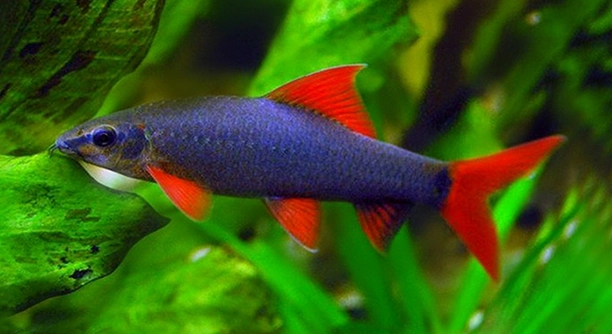
Rainbow sharks are popular freshwater fish known for their striking colors and active behavior. Many fish owners enjoy keeping them in home aquariums. However, these fish can grow larger than expected, which may affect their tank environment and other inhabitants.
Rainbow sharks can grow up to six inches or more, requiring ample space to swim. Signs of excessive growth include aggressive behavior, difficulty hiding, and limited tank space. Monitoring these signs helps maintain a healthy environment for both the fish and its tank mates.
Recognizing when your rainbow shark is getting too big is important for their well-being. This article outlines clear ways to identify those changes and take appropriate action to ensure a balanced aquarium.
Limited Swimming Space
Rainbow sharks need plenty of room to swim freely. When they grow too large, the space in the tank can feel crowded. This limits their movement and may cause stress or aggressive behavior. A cramped tank also affects water quality because fish waste builds up faster. Overcrowding leads to less oxygen and more toxins, which harm all the fish. Regularly checking the size of your fish and the tank conditions helps avoid these issues. Larger rainbow sharks often require tanks of at least 30 gallons, but more space is always better. Providing hiding spots and plants can reduce stress but will not fix space problems caused by overgrowth.
Having enough swimming space keeps your rainbow shark calm and healthy. It also allows other fish in the tank to coexist peacefully without territorial fights.
Keeping your tank spacious ensures your rainbow shark’s activity remains natural and reduces the chance of stress-related illnesses. Tank size is a key factor in maintaining a balanced aquarium environment.
Increased Aggression and Territorial Behavior
Rainbow sharks may become more aggressive as they grow bigger, especially if their space is limited. They can start chasing or attacking other fish.
Aggression is often linked to defending territory, which becomes smaller as the fish grows. A large rainbow shark might dominate tank mates, causing injuries or stress. This behavior is natural but worsens when the fish feels cramped or threatened. Keeping the tank clean and well-decorated with hiding places can help reduce fights, but it may not be enough. In some cases, upgrading to a bigger tank or separating aggressive fish is necessary. Monitoring fish interactions regularly will help you detect signs early. A peaceful aquarium depends on giving each fish enough space and reducing stress factors that trigger aggression.
Noticeable Changes in Appetite
A growing rainbow shark often shows changes in appetite. It may eat more frequently or become more aggressive during feeding time.
As the fish grows, its energy needs increase. This means it will require more food to stay healthy and active. Overfeeding should be avoided because it can lead to poor water quality and health problems like obesity or swim bladder issues. Feeding small amounts multiple times a day is a good practice. Watching how much your fish eats helps you adjust its diet according to its size and activity level.
Sudden changes in appetite might also signal stress or illness. If your rainbow shark stops eating or becomes picky, check the tank conditions and look for signs of disease. Maintaining a balanced diet supports its growth and overall well-being.
Changes in Physical Appearance
As rainbow sharks grow, their body shape and color may change noticeably. The fins become longer, and the body appears more robust.
Color intensity can also vary depending on the fish’s health, age, and environment. A healthy rainbow shark typically shows bright red or orange fins with a smooth, shiny body. If colors fade or fins look damaged, this might indicate stress, poor water conditions, or illness. Regular tank maintenance and proper nutrition help preserve the fish’s vibrant colors. Watching these changes helps identify if your fish is thriving or if adjustments are needed. Keeping track of physical changes is important for long-term care.
Difficulty Finding Hiding Spots
As rainbow sharks grow, they may struggle to find enough hiding spots in the tank. Limited cover can increase their stress and exposure to other fish.
Providing ample plants, caves, or decorations is essential. Larger fish need bigger and more secure shelters to feel safe.
Changes in Swimming Patterns
A larger rainbow shark might change its swimming behavior. It may spend more time near the bottom or in corners, avoiding open areas. This can be a sign of discomfort or stress due to limited space or tank mates.
Increased Waste Production
A bigger rainbow shark produces more waste, which affects water quality. Regular cleaning and water changes become even more important to maintain a healthy environment for all aquarium inhabitants.
How big do rainbow sharks get?
Rainbow sharks can grow up to six inches in length, though some may reach slightly larger sizes depending on their environment. Growth depends on factors like tank size, diet, and water conditions. Providing a spacious tank and proper care helps them reach their full, healthy size without stunting.
What tank size is suitable for a full-grown rainbow shark?
A tank of at least 30 gallons is recommended for a single adult rainbow shark. Bigger tanks, such as 40 gallons or more, are better if you keep multiple fish or other species. Larger tanks reduce territorial conflicts and provide enough swimming space.
How can I tell if my rainbow shark is stressed?
Signs of stress include hiding excessively, loss of appetite, dull coloration, and erratic swimming patterns. Stress often results from poor water quality, overcrowding, or aggression from other fish. Regular water testing and tank maintenance can help prevent these issues.
What should I feed a growing rainbow shark?
Rainbow sharks are omnivores. They eat sinking pellets, flakes, and occasional live or frozen foods like bloodworms or brine shrimp. Feeding a balanced diet in small amounts two to three times daily supports healthy growth and maintains water quality.
Is aggression normal in rainbow sharks?
Yes, some aggression is natural, especially as they mature. They can become territorial and chase other fish, particularly in smaller tanks. Providing plenty of hiding spots and space reduces fighting. If aggression is severe, separating fish may be necessary.
How often should I clean the tank with a large rainbow shark?
Frequent water changes are important. For larger rainbow sharks, changing 20-30% of the water weekly helps maintain good water quality. Cleaning the substrate and filters regularly also controls waste buildup and prevents harmful toxin levels.
Can rainbow sharks live with other fish?
They can live with other species that are fast swimmers and not overly aggressive. Avoid slow, timid fish or those with long fins, as rainbow sharks might bully them. Choosing compatible tank mates ensures a peaceful environment.
What happens if my rainbow shark outgrows the tank?
If the tank is too small, the fish may become stressed, aggressive, and prone to illness. Limited space restricts their natural behavior and growth. Upgrading to a larger tank or rehoming the fish are options to consider for its well-being.
How can I create a comfortable environment for a large rainbow shark?
Provide a spacious tank with plenty of hiding spots, plants, and decorations. Maintain stable water temperature and clean conditions. A balanced diet and monitoring behavior help keep your fish healthy and reduce stress.
When should I consider getting a bigger tank?
If your rainbow shark approaches or exceeds five inches, or if you notice signs of stress or aggression, it’s time to consider a larger tank. More space benefits both the shark and any tank mates, promoting a healthier aquarium environment.
When keeping a rainbow shark, it is important to watch how it grows over time. These fish can get bigger than many people expect, and their size affects their health and behavior. Paying attention to signs like limited swimming space, changes in appetite, or increased aggression helps keep the fish comfortable. A proper tank size and good care are essential to avoid stress and ensure the fish lives well.
A bigger rainbow shark needs a larger tank with enough hiding spots and clean water. Overcrowded or dirty tanks can cause illness and fights among fish. Regular maintenance, such as cleaning and water changes, is necessary to keep the environment safe. Feeding the fish a balanced diet and providing enough space allows it to grow naturally without harm. When fish start to show signs of discomfort, it is a clear signal to adjust their living conditions.
Understanding your rainbow shark’s needs as it grows helps you provide the best care. Monitoring behavior, physical changes, and tank conditions will prevent problems before they become serious. Taking action early, like upgrading the tank or adding more shelter, supports a healthy and peaceful aquarium. This attention makes sure your rainbow shark remains a lively and beautiful part of your home for years to come.

Hello,
If you enjoy the content that we create, please consider saying a "Thank You!" by leaving a tip.
Every little bit helps us continue crafting quality advice that supports the health, happiness, and well-being of pets around the world, for pets of all shapes, sizes, and species.
We really appreciate the kindness and support that you show us!