
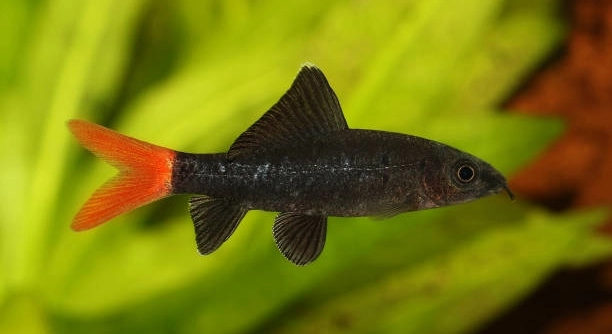
Is your rainbow shark showing signs of territorial behavior that disrupt your aquarium’s harmony? These vibrant fish can sometimes become overly aggressive, making it hard for other tank mates to coexist peacefully. Managing their behavior is key to a balanced tank environment.
Territorial behavior in rainbow sharks often stems from limited space or lack of hiding spots. Providing sufficient territory and environmental enrichment helps reduce aggression. Adjusting tank size, rearranging decorations, and introducing compatible companions are effective strategies to ease territorial disputes.
Controlling territorial issues improves the overall health and enjoyment of your aquarium. This article outlines practical fixes to help your rainbow shark and tank mates live together more peacefully.
Understanding Rainbow Shark Territorial Behavior
Rainbow sharks naturally establish territories to feel secure in their environment. When their tank is too small or lacks sufficient hiding places, they may become aggressive toward other fish. These sharks use chasing and nipping to defend their space. They also react strongly if tank decorations or plants are moved frequently, which can increase stress and cause more territorial disputes. Providing plenty of hiding spots and stable territory boundaries helps reduce their aggressive behavior. It’s important to observe their interactions regularly, as early signs of stress can prevent serious fights. Keeping the water clean and conditions stable also supports calmer behavior, since poor water quality can heighten stress levels. Understanding these behaviors helps in creating a tank environment that balances their natural instincts and peaceful coexistence.
Rainbow sharks need consistent, defined areas in the tank to reduce their territorial stress and aggression.
Creating a comfortable space helps your rainbow shark feel secure and limits aggressive outbursts.
Adjusting Tank Size and Setup
Tank size plays a crucial role in managing territorial aggression. A larger tank provides more space for your rainbow shark and other fish, which reduces competition. Ideally, the tank should be at least 55 gallons to allow enough room for territories. Rearranging the tank decorations periodically can also disrupt established territories, so avoid frequent changes. Instead, set up plants, rocks, and caves that create natural barriers and multiple hiding spots. These features help break the line of sight between fish, reducing aggressive encounters. Using dense plants or tall decorations gives shy fish places to retreat and helps diffuse tension. Keep in mind that overcrowding increases stress and fights, so avoid adding too many fish to the same tank. A balanced environment with ample space and shelter will help your rainbow shark stay less territorial and promote a peaceful community.
Adjusting the tank setup by adding hiding places and stable boundaries encourages harmony. These changes give fish more room to claim their own space without conflict. Overcrowding should be avoided to reduce stress and aggression. This approach helps maintain a calm and balanced aquarium environment.
Introducing Tank Mates Carefully
Choosing compatible tank mates is essential to reduce your rainbow shark’s territorial behavior. Avoid aggressive or overly timid fish, as these can provoke conflict or stress. Ideal companions are similarly sized, peaceful species that occupy different tank levels.
Peaceful bottom dwellers and mid-level swimmers work well with rainbow sharks. Fish like Corydoras catfish or danios generally coexist without competition for territory. Avoid fish that share the same hiding spots or swimming zones to prevent territorial clashes.
Introducing new fish slowly allows your rainbow shark to adjust without feeling threatened. Quarantine new additions beforehand to avoid diseases. Watch interactions closely for the first few weeks, separating any fish that trigger aggression. Proper pairing supports a calmer tank atmosphere and less territorial stress.
Using Environmental Enrichment
Environmental enrichment helps keep your rainbow shark mentally and physically active, reducing aggressive behavior. Adding driftwood, rocks, and plants creates complex areas for exploration and hiding, which distracts your fish from guarding territories obsessively.
Enrichment also provides a more natural environment, helping to satisfy the shark’s instincts. Moving or changing some decorations occasionally encourages exploration without triggering territorial disputes if done gradually. Consider adding floating plants or caves to give extra shelter. These additions reduce boredom and stress, promoting better behavior and improved well-being in your tank. This approach helps maintain a peaceful and stimulating environment.
Feeding Routine Adjustments
Feeding your rainbow shark properly can reduce aggressive behavior. Overfeeding or irregular feeding times may cause stress and territorial disputes.
Offer smaller, frequent meals instead of one large feeding. This keeps your fish calm and less likely to compete aggressively during feeding times.
Using Visual Barriers
Visual barriers help prevent constant eye contact between territorial fish. Adding plants, rocks, or aquarium dividers breaks up lines of sight, reducing stress and aggression.
These barriers give each fish its own space, making territorial behavior less frequent and helping the tank remain peaceful.
Monitoring Water Quality
Consistent water quality is vital for reducing aggression. Poor conditions increase stress and irritability in rainbow sharks, making them more territorial.
Regular testing and maintenance keep the environment stable, promoting calm behavior and better health.
Managing Lighting Conditions
Bright or fluctuating lighting can increase stress levels in fish. Soft, consistent lighting helps keep your rainbow shark relaxed and less aggressive.
FAQ
Why is my rainbow shark so territorial?
Rainbow sharks are naturally territorial fish. They defend their space to feel safe, especially in tanks that are too small or lack hiding spots. Limited space increases competition for territory, making them more aggressive toward other fish. Stress, poor water quality, or frequent changes in tank layout can also heighten territorial behavior.
How can I tell if my rainbow shark is being too territorial?
Signs include chasing other fish, nipping fins, and guarding specific areas of the tank aggressively. If your shark repeatedly attacks tank mates or blocks access to food or hiding spots, its territorial behavior is too intense. Increased hiding or stress in other fish can also indicate a problem.
What tank size is best for rainbow sharks to reduce aggression?
A minimum of 55 gallons is recommended for a single rainbow shark. Larger tanks allow more space for territories and reduce competition. Bigger tanks with plenty of decorations and hiding spots also help prevent aggressive behavior.
Can I keep multiple rainbow sharks together?
Keeping more than one rainbow shark in the same tank is generally not advised unless the tank is very large (over 75 gallons) with plenty of hiding places and decorations to separate territories. Even then, territorial disputes can occur, so careful monitoring is necessary.
What are some good tank mates for a rainbow shark?
Ideal tank mates are peaceful fish that occupy different areas of the tank, such as Corydoras catfish, danios, or tetras. Avoid aggressive species or those that compete for the same hiding spots to prevent territorial fights.
How often should I feed my rainbow shark?
Feeding small amounts two to three times a day is best. Frequent, smaller meals reduce competition and stress during feeding times. Overfeeding or inconsistent feeding schedules can increase aggression and cause health problems.
How do hiding spots affect territorial behavior?
Hiding spots reduce aggression by providing secure spaces for fish to retreat. Multiple caves, plants, and decorations help break up the tank into different zones. This prevents one fish from dominating the entire tank and lowers stress for all inhabitants.
Will rearranging the tank decorations help with territorial issues?
Rearranging decorations can sometimes reset territorial boundaries, but frequent or sudden changes may increase stress and aggression. It’s best to rearrange slowly and sparingly, giving fish time to adapt to the new layout.
Can water quality impact territorial behavior?
Yes, poor water quality causes stress and irritability in rainbow sharks. Regular water changes and monitoring of ammonia, nitrite, and nitrate levels help keep the environment healthy. Stable water conditions support calmer fish and reduce aggression.
Is it necessary to control lighting to manage territorial behavior?
Lighting affects fish stress levels. Bright or fluctuating light can make fish more agitated. Using soft, consistent lighting helps keep your rainbow shark relaxed and less likely to act territorially.
What should I do if my rainbow shark injures other fish?
If aggression leads to injuries, separate the affected fish immediately. Increase hiding spots and consider adjusting tank size or companions. In extreme cases, relocating the rainbow shark to another tank may be necessary to protect other fish.
Can supplements or medications help reduce aggression?
Generally, behavioral issues are best managed by adjusting the environment rather than medication. Some calming additives exist but should be used cautiously and only after consulting an expert. Focus on tank setup and care for long-term results.
How long does it take for a rainbow shark to settle down?
Adjustment periods vary but usually take a few weeks after changes like adding tank mates or rearranging decorations. Providing stable conditions and adequate space helps your rainbow shark settle and reduce territorial displays over time.
Are there signs that territorial behavior is worsening?
Increasing attacks, constant chasing, or physical injuries among tank mates are signs aggression is worsening. Other fish may hide excessively or lose appetite. Monitoring behavior regularly helps catch problems early.
Can breeding behavior cause territorial aggression?
Yes, during breeding, rainbow sharks can become more territorial. Males often guard nesting sites aggressively. Extra care with tank mates and providing suitable breeding areas can reduce conflicts during this time.
Final Thoughts
Managing a rainbow shark’s territorial behavior takes patience and attention to detail. These fish have natural instincts that make them protective of their space, especially in confined or crowded tanks. By understanding their needs, such as proper tank size, plenty of hiding spots, and compatible tank mates, you can reduce aggression significantly. It is important to create a balanced environment where your rainbow shark feels secure without overwhelming other fish. Consistency in tank setup and care also plays a large role in keeping tensions low. Small changes in feeding routines, lighting, and water quality can have a meaningful impact on behavior.
Taking steps to reduce territorial disputes benefits not only your rainbow shark but also the other fish sharing the tank. Aggression can cause stress and injury, which may lead to health problems. A calm tank environment helps all fish thrive and interact peacefully. Observing your fish regularly and adjusting the environment as needed allows you to address issues before they escalate. Remember, aggression is often a sign of discomfort, so improving conditions is key. Simple measures like adding plants or rearranging decorations carefully can make a noticeable difference in behavior.
Ultimately, a well-maintained tank with sufficient space and thoughtful design supports the well-being of your rainbow shark. While some level of territorial behavior is natural, it should not harm the harmony of the tank. Following practical fixes such as selecting the right tank mates, providing environmental enrichment, and keeping water quality stable will help your rainbow shark coexist with others peacefully. These efforts ensure your aquarium remains a healthy and enjoyable space for all its inhabitants over the long term.

Hello,
If you enjoy the content that we create, please consider saying a "Thank You!" by leaving a tip.
Every little bit helps us continue crafting quality advice that supports the health, happiness, and well-being of pets around the world, for pets of all shapes, sizes, and species.
We really appreciate the kindness and support that you show us!