
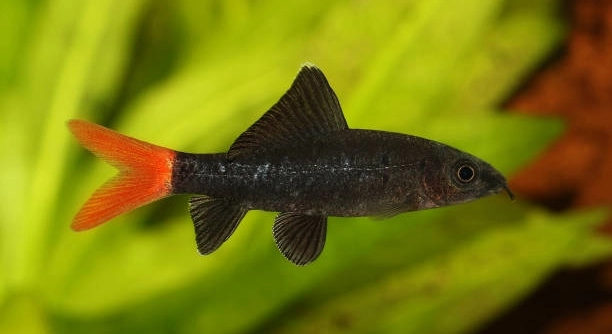
Rainbow Sharks are popular aquarium fish known for their striking colors and active nature. They often live alone but can show signs of loneliness or stress if their environment is not suitable. Keeping them comfortable is important for their well-being.
Providing enough space, maintaining clean water, and including hiding spots are key to preventing loneliness in Rainbow Sharks. Additionally, compatible tank mates and regular feeding schedules contribute to their social and physical health in captivity.
Learning how to create a happy environment will help your Rainbow Shark thrive. The following tips offer practical ways to support your fish’s social needs and overall care.
Providing Enough Space for Your Rainbow Shark
Rainbow Sharks need ample space to swim and explore. A small tank can make them feel trapped and stressed, which leads to loneliness and health issues. Ideally, your tank should be at least 30 gallons for one Rainbow Shark. This size gives enough room for them to move freely and establish territories without constant confrontation. Crowding the tank with too many fish or decorations limits their swimming area and can increase aggression. A spacious tank also helps maintain water quality because waste disperses more easily. Keeping a clean and large environment reduces stress and keeps your Rainbow Shark active and engaged. Remember, the size of the tank directly affects the well-being of your fish, so investing in a proper tank is essential.
Space allows Rainbow Sharks to exhibit natural behavior and avoid unnecessary stress caused by overcrowding.
A larger tank with open swimming areas and hiding places helps your Rainbow Shark feel secure and less isolated. Proper tank size reduces territorial disputes and supports a healthier social setting, making your fish more comfortable and less prone to loneliness.
Maintaining Clean Water
Regular water changes and good filtration are critical to your Rainbow Shark’s health. Clean water reduces stress and prevents diseases that can make your fish withdrawn. Filtration removes harmful chemicals and waste products that build up quickly in a tank. Changing 20-25% of the water weekly keeps the environment stable and safe. Testing the water regularly for ammonia, nitrites, and nitrates is also important to catch problems early. Water temperature should stay consistent between 72°F and 79°F. Avoid sudden changes because Rainbow Sharks are sensitive to fluctuations. Clean water helps your fish stay active and social, which reduces loneliness. A well-maintained tank supports their immune system and encourages natural behavior, improving their overall happiness.
Keeping water clean protects your fish from sickness and promotes a lively environment where your Rainbow Shark can thrive and feel less alone. Proper water care is an ongoing task but essential for long-term health.
Including Hiding Spots in the Tank
Hiding spots give Rainbow Sharks places to retreat and feel safe. Without them, they may feel exposed and stressed. These spots reduce aggression and loneliness by offering shelter.
Adding caves, plants, or decorations creates natural hiding areas. These spots help your fish escape when they feel threatened or need rest. Hiding places mimic their natural environment, making them more comfortable. Ensure there are multiple hiding spots so the fish can choose depending on their mood. Avoid overcrowding the tank with too many decorations, as this can limit swimming space. Balanced placement of hiding spots encourages exploration and reduces boredom. This setup also lowers stress and helps maintain peaceful interactions with tank mates.
Plants, either live or artificial, provide excellent cover and soften the tank’s look. Hiding spots are essential to keep your Rainbow Shark feeling secure and less isolated.
Choosing Compatible Tank Mates
Rainbow Sharks can be territorial, so choosing compatible tank mates is important. Peaceful, fast-swimming fish that occupy different areas of the tank usually work well.
Species like danios, barbs, and some tetras can coexist peacefully with Rainbow Sharks. Avoid slow-moving or long-finned fish, as Rainbow Sharks may nip at them. Keep an eye on behavior during introduction and separate fish if aggression starts. Providing enough space and hiding spots helps reduce conflicts. Remember that overcrowding increases stress and fights, so limit the number of fish based on your tank size. Compatibility prevents loneliness by keeping your Rainbow Shark engaged without constant stress or bullying.
Having the right companions in the tank promotes a balanced social environment. It helps your Rainbow Shark stay active and less prone to isolation while avoiding conflicts that cause stress.
Regular Feeding Schedule
A consistent feeding schedule helps Rainbow Sharks feel secure and cared for. Feeding them once or twice a day at the same times supports their routine and reduces stress.
Using high-quality sinking pellets or wafers suits their bottom-feeding habits. Supplement with occasional treats like bloodworms or brine shrimp for variety and nutrition.
Encouraging Natural Behavior
Stimulating your Rainbow Shark with objects like floating plants or gentle water flow encourages natural exploration. Moving elements create interest and keep them active, which prevents boredom. This activity lessens loneliness by providing mental engagement and exercise.
Monitoring Fish Behavior
Watching how your Rainbow Shark interacts with its environment and tank mates helps detect early signs of stress or loneliness. Adjust care as needed based on their behavior.
FAQ
How can I tell if my Rainbow Shark is lonely?
Rainbow Sharks do not show loneliness like mammals, but signs of stress or boredom may suggest social needs aren’t met. If your fish hides excessively, stops eating, or becomes overly aggressive, these behaviors might indicate it feels isolated or uncomfortable in its environment. Lack of activity or frequent darting could also be signs of distress. Observing your fish regularly helps you catch these changes early and improve its surroundings to reduce loneliness.
Can Rainbow Sharks live with other fish?
Yes, but selecting tank mates carefully is crucial. Rainbow Sharks are territorial, especially in small tanks. Peaceful, fast-moving fish that occupy different water levels—such as danios or barbs—are better companions. Avoid slow or long-finned fish because Rainbow Sharks may nip at them. Providing enough space and hiding spots minimizes conflicts and encourages a more harmonious community.
Is it necessary to have a large tank for one Rainbow Shark?
A tank of at least 30 gallons is recommended for a single Rainbow Shark. More space allows natural behaviors and helps reduce stress from territorial disputes or confinement. Larger tanks also maintain better water quality, which supports overall health. Keeping them in smaller tanks can lead to aggression, loneliness, and health problems.
How often should I clean the tank?
Cleaning 20-25% of the water weekly is ideal to maintain good water quality. Regular filter maintenance is also important. Clean water prevents buildup of toxins that cause stress and illness. Monitoring water parameters such as ammonia and nitrate levels ensures a safe environment. Consistent cleaning routines keep your Rainbow Shark healthy and comfortable.
What should I feed my Rainbow Shark?
A diet of sinking pellets or wafers designed for bottom feeders forms the staple. Supplement occasionally with live or frozen foods like bloodworms, brine shrimp, or daphnia to provide variety and additional nutrition. Feeding once or twice a day in small amounts avoids overfeeding and water pollution. A balanced diet supports energy levels and overall well-being.
Can Rainbow Sharks get along with other Rainbow Sharks?
Rainbow Sharks are generally territorial and can become aggressive toward their own species, especially in confined spaces. Housing multiple Rainbow Sharks requires a very large tank with plenty of hiding spots and territories to minimize fights. In smaller tanks, they should be kept singly to avoid stress and injury.
How important are hiding spots in the tank?
Hiding spots are essential. They give your Rainbow Shark places to retreat and feel safe, reducing stress and aggression. Providing multiple hiding places with caves, plants, or decorations mimics their natural habitat and supports their mental health. Without these, your fish may become more anxious or aggressive.
Does water temperature affect my Rainbow Shark’s behavior?
Yes, Rainbow Sharks prefer temperatures between 72°F and 79°F. Sudden changes or temperatures outside this range cause stress, reduce activity, and make them vulnerable to disease. Maintaining a stable temperature encourages natural behavior and helps prevent loneliness caused by discomfort.
What signs indicate my Rainbow Shark is stressed?
Signs of stress include hiding more than usual, loss of appetite, erratic swimming, and faded colors. Stress can be caused by poor water quality, overcrowding, or aggressive tank mates. Identifying these signs early and improving tank conditions can help your fish recover and feel more secure.
How do I introduce new fish to the tank with my Rainbow Shark?
Introduce new fish slowly and observe interactions carefully. Quarantine new fish before adding them to prevent disease. Add them during feeding time to distract your Rainbow Shark and reduce aggression. Ensure plenty of space and hiding spots to allow all fish to establish territories peacefully. Monitor behavior closely in the first days to prevent fights or bullying.
Rainbow Sharks are unique fish that need special care to stay healthy and happy. They are not naturally very social but can show signs of loneliness or stress if their environment is not well suited to their needs. Providing enough space, clean water, and proper hiding spots can make a big difference in how comfortable your Rainbow Shark feels. These factors help reduce stress and encourage your fish to behave naturally. When the tank is well maintained, and the fish has room to swim and hide, it is less likely to become withdrawn or aggressive.
Choosing the right tank mates also plays an important role in the well-being of your Rainbow Shark. Because they can be territorial, picking peaceful fish that live in different parts of the tank helps avoid conflicts. It is important to keep the tank size in mind when adding other fish, so everyone has enough space. Overcrowding causes stress, which can lead to loneliness and health problems. A calm environment with compatible companions helps your Rainbow Shark stay active and engaged, reducing signs of loneliness or boredom.
Keeping a consistent feeding schedule and watching your fish’s behavior are other ways to support its health. Feeding your Rainbow Shark once or twice a day with a balanced diet gives it the energy it needs. Watching for changes in behavior, like hiding more than usual or refusing food, helps you catch problems early. Making small adjustments, like adding hiding spots or checking water quality, can improve your fish’s comfort and reduce stress. With careful care and attention, your Rainbow Shark can live a long, healthy life in your aquarium.

Hello,
If you enjoy the content that we create, please consider saying a "Thank You!" by leaving a tip.
Every little bit helps us continue crafting quality advice that supports the health, happiness, and well-being of pets around the world, for pets of all shapes, sizes, and species.
We really appreciate the kindness and support that you show us!