
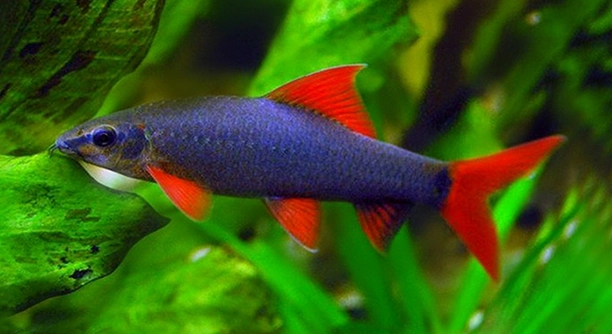
Caring for a Rainbow Shark means creating a safe and stable home. These fish need special attention to thrive in an aquarium. A secure environment helps them stay healthy and active every day.
Ensuring a secure environment for a Rainbow Shark involves maintaining proper tank size, clean water conditions, stable temperature, hiding spaces, compatible tank mates, balanced diet, and regular monitoring to prevent stress and disease. These factors collectively support their well-being.
Knowing how to set up and maintain this environment can improve your Rainbow Shark’s life significantly. The following tips will help you provide the best care possible.
Choose the Right Tank Size
A Rainbow Shark needs enough space to swim freely and grow comfortably. A tank that is too small can cause stress and aggressive behavior. For one Rainbow Shark, a tank of at least 30 gallons is recommended. Larger tanks are better, especially if you want to keep other fish. The extra space helps reduce territorial disputes. Besides the size, the tank should have a secure lid since these fish can jump out. Proper filtration and regular water changes are also essential to keep the water clean and safe. Avoid overcrowding the tank to maintain good water quality and reduce stress for your fish. Providing a spacious environment supports their natural behavior and overall health. Make sure the tank layout allows for swimming areas and hiding spots to help your Rainbow Shark feel comfortable and secure.
Adequate space and cleanliness are key factors in preventing health issues and aggressive behavior in Rainbow Sharks.
Creating an ideal home starts with the right tank size and setup. This foundation supports everything else your Rainbow Shark needs to thrive.
Maintain Stable Water Conditions
Keeping water conditions stable is essential for the well-being of your Rainbow Shark. Sudden changes in temperature, pH, or water hardness can cause stress and illness. Use a reliable heater to maintain the water temperature between 72°F and 79°F. Test the water regularly to ensure pH stays between 6.5 and 7.5. Water changes should be done weekly, replacing 20-25% of the water each time to keep nitrate levels low. Avoid chemicals or cleaning agents that might harm the fish. Consistent water quality prevents infections and promotes healthy growth. A good filtration system removes waste and toxins, helping maintain clear water. Paying attention to these details will create a safe and stable environment for your Rainbow Shark to thrive in. Your efforts will be rewarded with a happy, healthy fish that shows its natural colors and behavior.
Provide Hiding Places
Rainbow Sharks need places to hide and feel secure. Rocks, plants, and caves work well. These spots help reduce stress and prevent fights with other fish.
Decorate the tank with smooth rocks and sturdy plants to create safe hiding spots. Avoid sharp objects that could hurt your fish. Caves or PVC pipes can serve as shelters where your Rainbow Shark can retreat when feeling threatened or tired. This makes the fish feel less exposed and more comfortable in its environment. Hiding places also help establish territories, which reduces aggressive behavior. Changing the tank layout occasionally keeps your fish interested and provides new places to explore and hide.
The right hiding spots encourage natural behavior and make your Rainbow Shark feel at ease. This also helps them recover quickly if stressed.
Choose Compatible Tank Mates
Not all fish get along well with Rainbow Sharks. Choose peaceful species that can handle the same water conditions. Avoid small or slow fish that may be bullied.
Good tank mates include larger tetras, barbs, and some catfish species. These fish usually coexist well because they occupy different parts of the tank. Keep in mind that Rainbow Sharks can be territorial, especially as they mature. Avoid keeping multiple Rainbow Sharks in small tanks since this can lead to fights. Watch your tank closely for signs of aggression and separate fish if needed. Introducing tank mates slowly and monitoring their behavior helps create a peaceful community. Proper selection of tank mates ensures a balanced and calm aquarium environment where all fish can thrive.
Feed a Balanced Diet
Rainbow Sharks need a diet with variety to stay healthy. Include both plant-based and protein-rich foods.
Feed high-quality pellets or flakes designed for omnivores. Supplement with live or frozen foods like bloodworms, brine shrimp, or daphnia to provide essential nutrients and keep their diet interesting.
Monitor Health Regularly
Check your Rainbow Shark daily for signs of illness or stress. Look for changes in behavior, appetite, or appearance.
Early detection helps prevent serious health problems. Address issues quickly to maintain a secure and healthy environment for your fish.
Keep the Tank Clean
Regular cleaning prevents the buildup of harmful substances. Remove uneaten food and debris to maintain water quality.
Clean filters as needed, but avoid washing them with tap water to preserve beneficial bacteria essential for a healthy tank ecosystem.
FAQ
How often should I change the water in my Rainbow Shark’s tank?
Water changes are essential to keep the tank clean and healthy. It is best to change about 20-25% of the water every week. This helps remove waste, toxins, and excess nutrients that can harm your fish. Regular water changes maintain stable water conditions, which Rainbow Sharks need to thrive. Make sure to use dechlorinated water that matches the tank’s temperature to avoid shocking your fish. If the tank is heavily stocked or plants are few, consider more frequent water changes to keep the environment safe.
What tank size is ideal for one Rainbow Shark?
A tank of at least 30 gallons is recommended for a single Rainbow Shark. These fish are active swimmers and can grow up to six inches. A larger tank gives them enough space to swim and reduces aggressive behavior. If you plan to keep other fish, a bigger tank will provide room for everyone and help maintain better water quality. Avoid small tanks, as they can cause stress and health problems for the Rainbow Shark.
Can Rainbow Sharks live with other fish?
Yes, but tank mates must be chosen carefully. Peaceful, fast-swimming fish that occupy different tank levels usually get along well with Rainbow Sharks. Good companions include larger tetras, barbs, and some catfish species. Avoid slow-moving or small fish, as they might be bullied. Also, never keep two Rainbow Sharks in a small tank, as they are territorial and may fight. Watching the fish closely after introducing new tank mates helps prevent aggression.
What should I feed my Rainbow Shark?
Rainbow Sharks are omnivores, so their diet should include both plant and animal-based foods. High-quality pellets or flakes made for omnivorous fish work well as the staple diet. You can also offer live or frozen foods like bloodworms, brine shrimp, or daphnia occasionally. Adding vegetables like blanched zucchini or spinach is beneficial, too. Feeding a varied diet helps maintain their health, color, and energy levels.
How can I tell if my Rainbow Shark is stressed or sick?
Signs of stress or illness include hiding more than usual, loss of appetite, unusual swimming patterns, or faded colors. Look for physical signs such as white spots, torn fins, or swollen areas. Stress can be caused by poor water quality, aggressive tank mates, or lack of hiding spots. When you notice these signs, check water parameters and improve the environment. Early treatment improves recovery chances and keeps your fish healthy.
What is the ideal temperature for a Rainbow Shark tank?
Rainbow Sharks thrive in water temperatures between 72°F and 79°F (22°C to 26°C). Using a reliable aquarium heater helps maintain stable temperatures. Sudden temperature changes can cause stress and illness, so keep the temperature steady. Regularly check the tank temperature with a thermometer to ensure the environment stays within the ideal range.
How important is tank decoration for Rainbow Sharks?
Tank decorations are very important because they provide hiding spots and reduce stress. Rainbow Sharks are territorial and need places to retreat. Smooth rocks, caves, and sturdy plants work well as hiding places. Avoid sharp or rough decorations that could injure your fish. Changing decorations occasionally can keep the environment interesting and stimulating for your Rainbow Shark.
How long do Rainbow Sharks live?
With proper care, Rainbow Sharks can live up to 8-10 years. Good tank conditions, a balanced diet, and regular monitoring help extend their lifespan. Keeping the tank clean and stable reduces stress and prevents disease, which are key to a long, healthy life for your fish.
What kind of filter should I use for a Rainbow Shark tank?
A good filtration system is essential to keep the water clean and clear. Use a filter that provides mechanical, chemical, and biological filtration. Canister filters or hang-on-back filters work well for medium to large tanks. Make sure the filter flow is not too strong, as Rainbow Sharks prefer moderate water movement. Regularly clean the filter media to maintain efficiency but avoid washing it with tap water to preserve beneficial bacteria.
Can Rainbow Sharks jump out of the tank?
Yes, Rainbow Sharks are known to jump, especially if startled or if water conditions are poor. It’s important to have a secure lid on your aquarium to prevent escapes. Keeping the tank environment stable and stress-free also reduces the chances of jumping behavior. Always check the lid fits well and has no gaps where the fish can jump out.
How do I introduce new fish to a Rainbow Shark tank?
Introduce new fish slowly and carefully to minimize stress and aggression. Quarantine new fish for at least two weeks to check for diseases before adding them to the main tank. When ready, float the new fish in a bag inside the tank for 15-20 minutes to match the water temperature. Gradually mix some tank water into the bag to help the new fish adjust to water chemistry. Monitor interactions closely for the first days and separate fish if any aggression occurs.
Creating a safe and secure environment for your Rainbow Shark is essential to keeping it healthy and happy. These fish need enough space, clean water, and a stable temperature to thrive. Providing hiding places and choosing the right tank mates also play important roles in reducing stress and preventing fights. When these basic needs are met, your Rainbow Shark will display natural behavior and vibrant colors. Taking the time to care for these details helps create a peaceful aquarium where your fish can live for many years.
Regular maintenance is another key part of keeping your Rainbow Shark safe. Changing water weekly, cleaning filters properly, and monitoring water quality will prevent many common problems. Feeding a balanced diet made up of both plant and animal foods supports your fish’s health and energy. Watching your Rainbow Shark’s behavior closely can help you spot early signs of illness or stress. When problems are noticed early, it is easier to fix them before they become serious. Consistent care and attention go a long way in ensuring your fish remains strong and active.
Overall, caring for a Rainbow Shark requires some effort, but the rewards are worth it. A well-kept tank not only benefits your fish but also creates a relaxing and enjoyable space in your home. Rainbow Sharks are beautiful and interesting fish that add life to any aquarium. With the right environment and proper care, they can live long, healthy lives. Taking these steps shows respect for your pet’s needs and helps you build a lasting connection with your Rainbow Shark.

Hello,
If you enjoy the content that we create, please consider saying a "Thank You!" by leaving a tip.
Every little bit helps us continue crafting quality advice that supports the health, happiness, and well-being of pets around the world, for pets of all shapes, sizes, and species.
We really appreciate the kindness and support that you show us!