
Is your rainbow shark acting strange, hiding more than usual, or swimming in an odd pattern? These signs can be easy to miss at first but may point to underlying health concerns that need attention.
Rainbow sharks can show signs of illness through changes in behavior, appetite, and appearance. Identifying symptoms early—like faded color, erratic swimming, or lack of energy—is key to preventing more serious health problems in your aquarium.
Understanding the subtle signals your fish may be giving off can help you act quickly. Learning what to watch for can make a big difference in keeping your rainbow shark healthy and thriving.
Faded Colors and Unusual Hiding
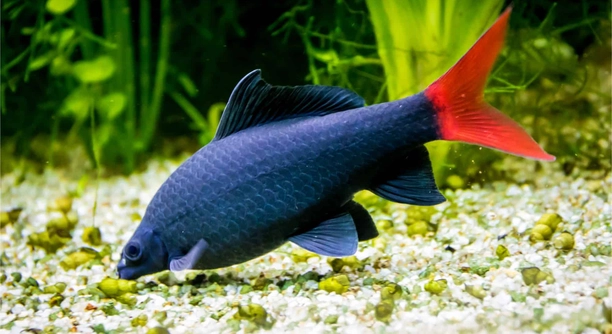
When a rainbow shark starts losing its vibrant color, it may be a sign something isn’t right. Healthy rainbow sharks usually have a strong gray-black body and bright red fins. If the colors seem dull or faded, it could mean stress, poor water quality, or even illness. Hiding more than usual is another sign to watch for. While rainbow sharks can be territorial, a sudden change in hiding behavior—like staying behind decorations all day—can mean they’re uncomfortable or sick. Check the water conditions, temperature, and tank mates to see if something may be causing stress or discomfort in their environment.
A rainbow shark hiding more and losing color should not be ignored. These are early signs that something is off in the tank and may need attention quickly.
Making sure the water quality is stable can help a lot. Keep the temperature between 75–81°F, and avoid overcrowding the tank. If needed, test for ammonia or pH imbalance.
Loss of Appetite
Loss of appetite is one of the clearest signs your rainbow shark may be sick. If it stops coming up to eat or ignores food completely, something is likely wrong.
This change can be due to poor water quality, stress, or internal parasites. Start by testing the water parameters and making sure they’re within safe limits. If everything looks fine, observe for other symptoms such as white stringy feces, bloating, or swimming issues. These signs could point to a parasitic or bacterial infection. Overfeeding can also lead to issues with digestion, so avoid giving too much food at once. Feed small portions once or twice a day and remove leftovers to prevent waste build-up. If appetite doesn’t return within a few days, consider isolating your rainbow shark and consulting a specialist or pet store with fish experience. Treatment options may include medicated food or water treatments depending on the cause.
Erratic Swimming or Staying Still
Erratic swimming or long periods of stillness are signs that should be taken seriously. Quick darting, swimming in circles, or floating near the surface may point to stress, poor water quality, or a swim bladder issue.
If your rainbow shark starts to swim oddly or stays at the bottom without much movement, it may be having trouble with its swim bladder or suffering from internal infection. Swim bladder problems can come from constipation or sudden water changes. To help, try feeding peeled, cooked peas (a small portion) to ease digestion. Also, check your water temperature and pH. A sudden drop or spike in these levels can affect their ability to swim normally. Watch how they react after a water change or feeding—this can help you figure out what may be affecting their behavior.
Even stillness can be a red flag. While it’s normal for rainbow sharks to rest, lying motionless all day isn’t. It could mean they’re weak or sick. Check for other symptoms like faded color, heavy breathing, or inflamed fins. Create a calm environment with no sudden disturbances. Make sure no aggressive tank mates are bullying your shark. Reducing stress can help improve their condition if caught early.
Inflamed or Torn Fins
Fins that look torn, inflamed, or clamped can mean your rainbow shark is under stress or facing a possible infection. These signs are often caused by fin rot, aggression, or dirty water conditions.
Bacterial fin rot starts at the edges and slowly eats away at the fins. It can happen when the water is unclean or when your rainbow shark is injured by tank mates. Make sure the tank is not overcrowded and has proper hiding spots. Keep ammonia and nitrite levels at zero. Torn fins can also be caused by rough tank decor or sharp rocks, so inspect your setup. Mild fin rot can often be treated with clean water and stress coat additives. In more serious cases, antibacterial treatments may be needed. Keep your shark in a calm setting while healing, and avoid introducing new fish during this time. Clean water and a quiet tank make a big difference.
Labored Breathing or Gasping at the Surface
Labored breathing or hanging near the water’s surface can signal low oxygen levels or poor water quality. It may also point to gill issues or infections, especially if the gills look red or swollen.
Always check your filter and air pump to ensure proper water movement. Stagnant water lowers oxygen quickly, especially in warmer tanks.
Sudden Aggression or Isolation
Rainbow sharks are naturally territorial, but a sudden change in behavior can mean stress or sickness. If they begin attacking tank mates more than usual or isolate themselves in a corner, something may be off. Watch for other symptoms like lack of appetite or color loss to get a fuller picture.
White Spots or Fuzzy Growths
White spots usually mean ich, a common parasite. Fuzzy patches may point to fungal infections. Both can spread quickly and stress your rainbow shark. Early treatment and raising the tank temperature slowly can help reduce parasites and improve healing.
How can I tell if my rainbow shark is stressed or sick?
Stress and illness often show similar signs in rainbow sharks. Look for faded colors, unusual hiding, loss of appetite, or erratic swimming. Other clues include inflamed fins, rapid breathing, or white spots on the body. These changes usually happen slowly, so regular observation is important. Changes in tank conditions or aggressive tank mates can increase stress. Keeping water clean and stable helps reduce these risks and supports your fish’s health.
What should I do if my rainbow shark stops eating?
A sudden loss of appetite is often one of the first signs of sickness. Begin by checking water quality—test for ammonia, nitrites, and pH levels. If these are fine, look for other symptoms like bloating or unusual swimming. Avoid overfeeding and remove uneaten food quickly to prevent water pollution. Sometimes fasting for a day or two can help clear minor digestive issues. If the shark doesn’t start eating again soon, consider isolating it and consulting a vet or fish expert for possible medication.
How do I improve water quality to prevent diseases?
Maintaining clean water is the most important step to keeping your rainbow shark healthy. Perform regular partial water changes—about 20 to 30 percent weekly—to reduce toxins. Use a good filter suitable for your tank size and clean or replace filter media as needed. Avoid overcrowding, and do not overfeed. Test water parameters often and keep temperature between 75 and 81°F. Adding live plants can also help improve water quality by absorbing nitrates and providing hiding places.
What are the common diseases that affect rainbow sharks?
The most common issues include ich (white spot disease), fin rot, swim bladder problems, and bacterial or fungal infections. Ich appears as small white dots on the body and fins and causes itching and lethargy. Fin rot causes fins to become ragged and inflamed, often due to poor water conditions or injury. Swim bladder problems affect swimming and balance, sometimes caused by constipation or infection. Bacterial and fungal infections often follow injuries or stress. Early treatment improves chances of recovery.
How do I treat ich and fin rot in my rainbow shark?
For ich, gradually raise the tank temperature by a few degrees to speed up the parasite’s life cycle, and use an over-the-counter ich medication. Follow the instructions carefully and remove activated carbon from the filter during treatment. Fin rot requires improving water quality first. If symptoms continue, antibacterial medications designed for fish can be used. Always isolate a sick fish if possible to prevent spreading. Clean the tank decor and substrate regularly to reduce bacteria.
Can tank mates cause stress or illness in rainbow sharks?
Yes, aggressive or overly active tank mates can stress rainbow sharks, leading to illness. Rainbow sharks are territorial and prefer tanks with enough space and hiding spots. Fish that nip fins or chase can cause injuries and increase the risk of infections. Choose compatible tank mates that won’t compete aggressively for territory. Monitor interactions closely, especially when introducing new fish. Creating a calm environment helps reduce stress and improves overall fish health.
Is it normal for my rainbow shark to hide a lot?
Rainbow sharks do enjoy hiding, especially during the day or after feeding. However, if hiding increases suddenly or the fish stays hidden for most of the time, it may be a sign of illness or stress. Check for other symptoms and tank conditions. Make sure hiding spots are safe but also provide enough open space for swimming. If hiding is paired with loss of appetite or color fading, it’s best to take action quickly.
What diet is best to keep my rainbow shark healthy?
A balanced diet supports your rainbow shark’s immune system and energy. Offer a mix of high-quality sinking pellets, flakes, and occasional live or frozen foods like bloodworms or brine shrimp. Vegetables like blanched zucchini or peas can help with digestion. Avoid overfeeding and feed small portions twice a day. Removing leftovers helps maintain water quality. Variety in diet reduces the risk of nutritional deficiencies and keeps your shark active and colorful.
How important is tank size and setup for rainbow shark health?
Tank size matters a lot for rainbow sharks since they are active swimmers and territorial. A minimum of 55 gallons is recommended for one adult. A well-planted tank with hiding spots, smooth decorations, and plenty of swimming space helps reduce stress. Proper filtration and water movement are essential. Crowded or poorly maintained tanks increase disease risks. Setting up the tank thoughtfully ensures your rainbow shark can live comfortably and stay healthy longer.
When should I seek professional help for my rainbow shark?
If symptoms persist for more than a few days despite improving water conditions and basic care, professional help is needed. Signs like severe fin damage, swelling, difficulty swimming, or rapid breathing should be addressed quickly. A vet with experience in fish or an experienced aquarium specialist can recommend treatments or medications. Early diagnosis and intervention improve recovery chances and help prevent the spread of illness to other tank mates.
Taking good care of your rainbow shark means paying close attention to how it behaves and looks every day. These fish can hide signs of illness well, so small changes in color, swimming patterns, or appetite are important to notice early. When you spot anything unusual, it’s best to act quickly. Healthy water conditions, a proper diet, and a peaceful tank environment are the basics that help prevent most health problems. Keeping your tank clean and stable is one of the simplest and most effective ways to keep your rainbow shark feeling its best.
Rainbow sharks are sensitive to their surroundings, and stress can quickly affect their health. Changes like aggressive tank mates, sudden water temperature shifts, or poor water quality can cause problems. It’s important to monitor water regularly and keep the tank in good shape. This includes regular water changes, testing for ammonia or pH imbalances, and avoiding overcrowding. Even small improvements, like adding plants or smooth decorations for hiding, can help reduce stress and support your fish’s well-being. Staying consistent with tank maintenance can save you time and worry in the long run.
If your rainbow shark shows signs of illness, don’t ignore them or wait too long to take action. Some problems may seem minor at first but can quickly become serious if left untreated. Using proper treatments, adjusting water quality, and giving your fish a calm space to recover can make a big difference. In cases where you’re unsure or symptoms worsen, seeking advice from a professional is a smart choice. Taking these steps shows you care and will help your rainbow shark live a longer, healthier life in your aquarium.

Hello,
If you enjoy the content that we create, please consider saying a "Thank You!" by leaving a tip.
Every little bit helps us continue crafting quality advice that supports the health, happiness, and well-being of pets around the world, for pets of all shapes, sizes, and species.
We really appreciate the kindness and support that you show us!