
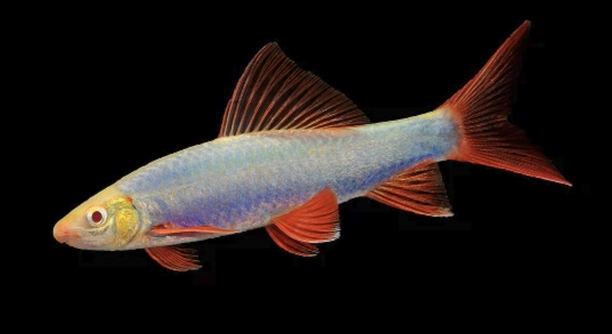
Rainbow sharks are popular aquarium fish known for their vibrant colors and active nature. Many owners enjoy watching their behavior but sometimes find their rainbow sharks less social than expected. Improving their social behavior can enhance the enjoyment of keeping these fish.
Improving a rainbow shark’s social behavior involves creating a suitable environment with ample space, providing hiding spots, maintaining proper water conditions, and avoiding overcrowding. Consistent feeding routines and compatible tank mates also contribute to better social interaction among these fish.
Understanding these key points will help you create a healthier, more interactive habitat for your rainbow shark. This article outlines practical steps to support their social well-being and overall happiness in your aquarium.
Provide Adequate Space and Environment
Rainbow sharks need enough room to swim freely and avoid territorial disputes. A crowded tank increases stress and aggression, which harms their social behavior. Ideally, a 30-gallon tank or larger is recommended for one rainbow shark. Providing hiding spots with plants, caves, or decorations allows them to retreat when feeling threatened. This helps reduce stress and encourages peaceful interaction. Clean water with stable parameters is also essential, as poor conditions can lead to illness and irritability. Regular water changes and proper filtration maintain a healthy environment that supports their well-being.
Space is key to preventing aggression and promoting calm behavior in rainbow sharks. A well-arranged tank with places to hide makes a big difference.
Arranging your tank thoughtfully creates a safe space where rainbow sharks can establish territories without conflict. Plants or décor placed strategically help break lines of sight, limiting aggressive behavior. Maintaining clean water conditions supports their health, which influences how they interact. When space and environment meet their needs, rainbow sharks are less likely to show signs of stress or hostility, resulting in a more peaceful community aquarium.
Choose Compatible Tank Mates Carefully
Rainbow sharks can be territorial, so selecting compatible tank mates is important. Avoid other aggressive or very small fish that may be stressed or attacked.
Compatibility matters to reduce fights and stress. Suitable tank mates include larger, peaceful fish that occupy different tank levels.
Tank mates that do not compete directly for territory or food with rainbow sharks help maintain harmony. Avoid overly aggressive species or those that are too timid, as this can lead to bullying. Fish like danios, barbs, or certain tetras often work well. Introducing new fish slowly while observing behavior allows you to intervene before conflicts escalate. Careful selection and monitoring ensure your rainbow shark feels secure, which supports better social behavior over time.
Maintain a Consistent Feeding Schedule
Feeding your rainbow shark at regular times helps reduce aggression and promotes social stability. Sudden changes in feeding can cause stress and competition among tank mates.
A consistent feeding schedule ensures your rainbow shark knows when to expect food, which lowers anxiety. Providing high-quality sinking pellets, along with occasional treats like bloodworms or brine shrimp, offers balanced nutrition. Overfeeding should be avoided as it can lead to poor water quality and health problems. Feeding small amounts two to three times daily is ideal to keep your fish healthy and active. Predictable feeding routines support calmer interactions among fish and help prevent fights caused by food competition.
In addition to timing, the way food is offered matters. Spreading food evenly around the tank reduces competition and allows all fish access. Observing your rainbow shark’s eating habits will also help you adjust portion sizes to avoid leftovers that pollute the water. Proper feeding habits play a crucial role in maintaining a peaceful aquarium environment.
Monitor Water Quality Regularly
Good water quality is essential for your rainbow shark’s health and social behavior. Poor water conditions increase stress and aggression.
Testing water parameters such as ammonia, nitrites, nitrates, pH, and temperature regularly helps maintain a stable environment. Using a reliable test kit allows you to detect issues early and act promptly. Performing partial water changes weekly keeps harmful substances at bay and supports overall tank health. Maintaining consistent water quality minimizes stress, which directly influences your rainbow shark’s interactions with tank mates. Monitoring water quality is a simple but effective way to support your fish’s well-being.
Water changes also remove excess waste and uneaten food, preventing toxic buildup. Proper filtration and avoiding overstocking contribute to stable conditions. Consistent attention to water quality ensures your rainbow shark can thrive socially and physically, reducing behavioral problems related to stress or illness.
Avoid Overcrowding the Tank
Overcrowding increases stress and triggers aggressive behavior in rainbow sharks. Keeping an appropriate number of fish is vital to maintain peace.
A less crowded tank gives each fish space to establish its territory and reduces conflict. It also improves water quality by limiting waste buildup.
Provide Hiding Places
Hiding spots are necessary for rainbow sharks to feel secure. Plants, rocks, or caves create safe retreats that reduce stress.
Use Gentle Lighting
Bright or harsh lighting can stress rainbow sharks and cause erratic behavior. Using soft, natural lighting helps create a calming environment that supports healthy social interactions.
FAQ
How can I tell if my rainbow shark is stressed or aggressive?
Signs of stress or aggression include frequent chasing, hiding, damaged fins, and color fading. If your rainbow shark spends much time hiding or shows rapid breathing, it may feel threatened or uncomfortable in the tank.
What causes rainbow sharks to become territorial?
Territorial behavior often results from limited space, lack of hiding places, or overcrowding. When their environment feels crowded, rainbow sharks defend areas aggressively. Ensuring adequate space and breaking sight lines with décor reduces this behavior.
Can rainbow sharks live peacefully with other fish?
Yes, they can coexist with peaceful, non-aggressive species that occupy different tank levels. Avoid aggressive or very small fish. Suitable tank mates include barbs, danios, and larger tetras that do not compete for territory.
How often should I feed my rainbow shark?
Feeding two to three times daily in small portions is ideal. This routine keeps them healthy and reduces competition. Overfeeding can harm water quality and cause health issues, so monitor their intake carefully.
What type of food is best for rainbow sharks?
High-quality sinking pellets form the base of their diet. Supplement with occasional live or frozen foods like bloodworms or brine shrimp. A varied diet promotes health and activity.
How much space does a rainbow shark need?
A minimum of 30 gallons per rainbow shark is recommended. Larger tanks reduce territorial disputes and stress, providing ample room for swimming and hiding.
How important is water quality for social behavior?
Very important. Poor water quality increases stress and aggression. Regular testing and weekly partial water changes keep water parameters stable, supporting health and peaceful interactions.
What lighting conditions suit rainbow sharks best?
Soft, natural lighting is best. Bright or harsh lights can cause stress and erratic behavior. Gentle lighting creates a calm atmosphere, helping fish feel secure.
Why is overcrowding a problem?
Too many fish in one tank leads to competition for food and space. This causes stress, aggression, and poor water quality. Maintaining a balanced number of fish supports harmony and health.
How do hiding places improve social behavior?
Hiding spots give rainbow sharks refuge from threats and reduce stress. When fish can retreat safely, they are less aggressive and interact more calmly with others.
What should I do if aggression continues despite improvements?
Consider separating aggressive fish or increasing tank size. Observe interactions carefully and adjust décor to limit direct confrontations. In some cases, changing tank mates may be necessary.
Can changing the tank setup affect behavior?
Yes, rearranging plants and decorations can reset territorial boundaries and reduce aggression. Changing the environment occasionally helps prevent dominance battles and encourages exploration.
Is it normal for rainbow sharks to be shy at first?
Yes, rainbow sharks may hide or act reserved when introduced to a new tank. Giving them time to adjust, along with proper environment and tank mates, usually improves their confidence and social behavior.
Final Thoughts
Rainbow sharks can be rewarding fish to keep when their social needs are met properly. Ensuring they have enough space and hiding places helps reduce stress and aggression. A well-maintained environment with clean water and stable conditions supports their overall health, which is closely tied to their behavior. When these basic needs are met, rainbow sharks are more likely to interact calmly and display natural, peaceful social behavior.
Choosing the right tank mates is also important for maintaining harmony. Peaceful species that do not compete for the same space or food create a balanced community. Avoiding overcrowding and aggressive fish helps prevent conflicts. Consistent feeding routines and gentle lighting add to a stable environment where your rainbow shark can thrive socially and physically. Monitoring water quality regularly and making adjustments as needed ensures that stress and aggression are kept to a minimum.
By paying attention to these key factors, you can improve your rainbow shark’s social behavior and create a healthier, more enjoyable aquarium. Taking time to observe your fish and respond to their needs helps build a peaceful tank community. With patience and care, your rainbow shark can become a more active and interactive member of your aquarium, enriching the overall experience of fishkeeping.

Hello,
If you enjoy the content that we create, please consider saying a "Thank You!" by leaving a tip.
Every little bit helps us continue crafting quality advice that supports the health, happiness, and well-being of pets around the world, for pets of all shapes, sizes, and species.
We really appreciate the kindness and support that you show us!